
Study in South Korea
from Nepal: A Complete Guide 2026-27
Study in South Korea for world-leading technology degrees and vibrant cultural life. Apply for fully funded government scholarships (GKS), low tuition rates, and high-paying tech careers.


5 Compelling Reasons Nepali Students Choose to Study in South Korea

AFFORDABILITYExceptional Affordability & Low Living Costs
Compared to the rising costs in the UK, USA, or Australia, South Korea provides top-tier education at a fraction of the price.
Tuition Fees: Standard degree tuition starts at approximately 3,00,000 NPR (approx. $2,200 USD) per semester, depending on your university and major.
Food & Meals: Daily food and grocery expenses average around 10,000 NPR per month per person.
Accommodation: Sharing a four-person apartment typically costs around 25,000 NPR per person per month, making student living comfortable and budget-friendly.
TOP UNIVERSITIESWorld-Class Universities & Top Global Rankings
South Korea is home to over 50 universities ranked in major global charts like the QS World University Rankings and Times Higher Education (THE).
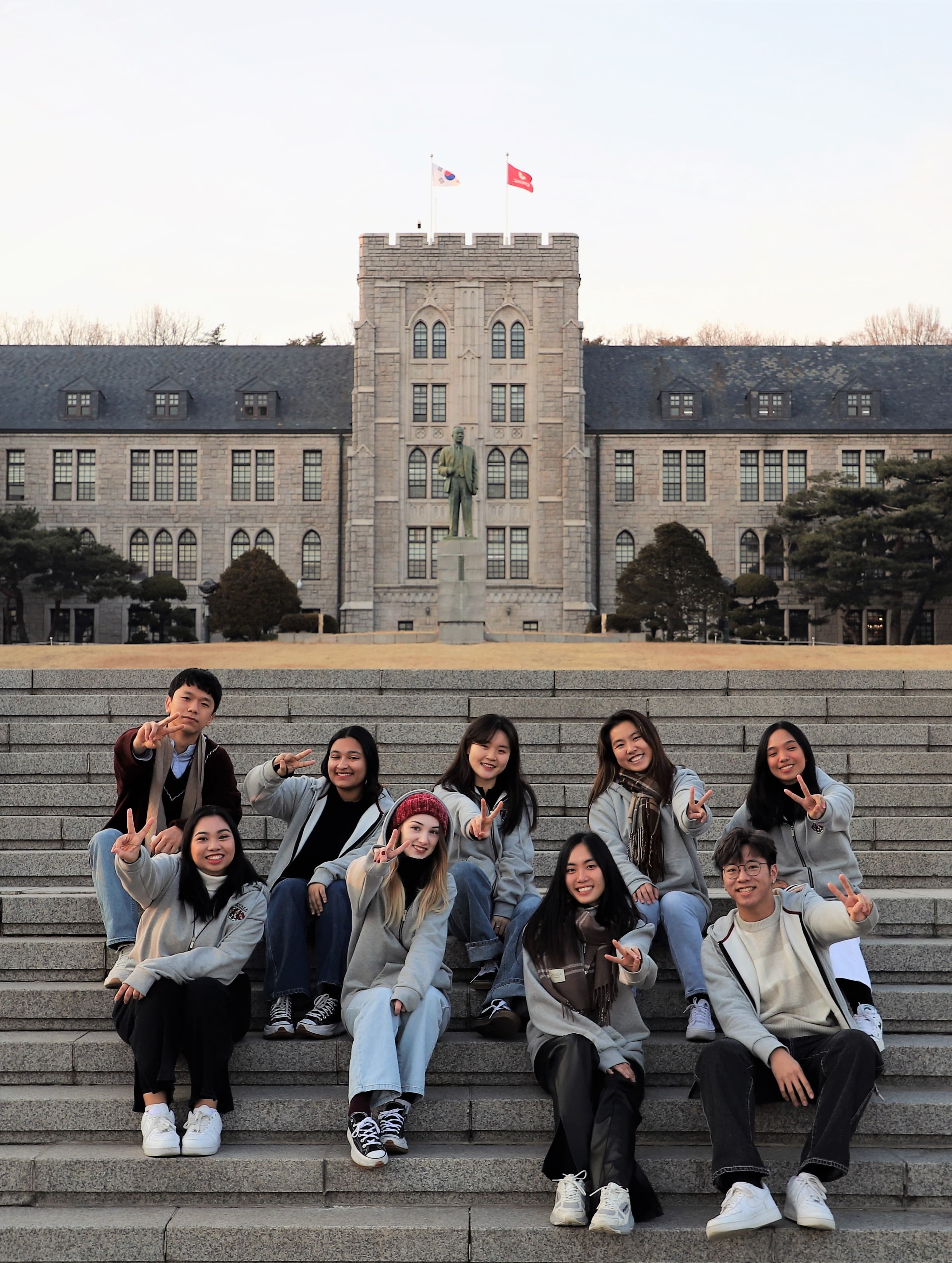
Seoul Region: Dominated by the famous "SKY" universities—Seoul National University (SNU), Korea University, and Yonsei University—alongside tech powerhouses like Hanyang University and Sungkyunkwan University (SKKU).
Busan & Regional Hubs: Major public institutions such as Pusan National University and Dong-A University offer high academic standards with even lower living expenses.
What is QS World University Rankings?
The QS World University Rankings is an annual global ranking system published by Quacquarelli Symonds (QS). It is one of the world's most recognized frameworks for evaluating and comparing university performance across the globe.
What is Times Higher Education (THE)?
Times Higher Education (THE) World University Rankings is a globally trusted university assessment published by the UK-based Times Higher Education magazine. It focuses heavily on academic performance, research excellence, and learning environments.
PREDICTABLE VISATransparent & Predictable Visa Processing
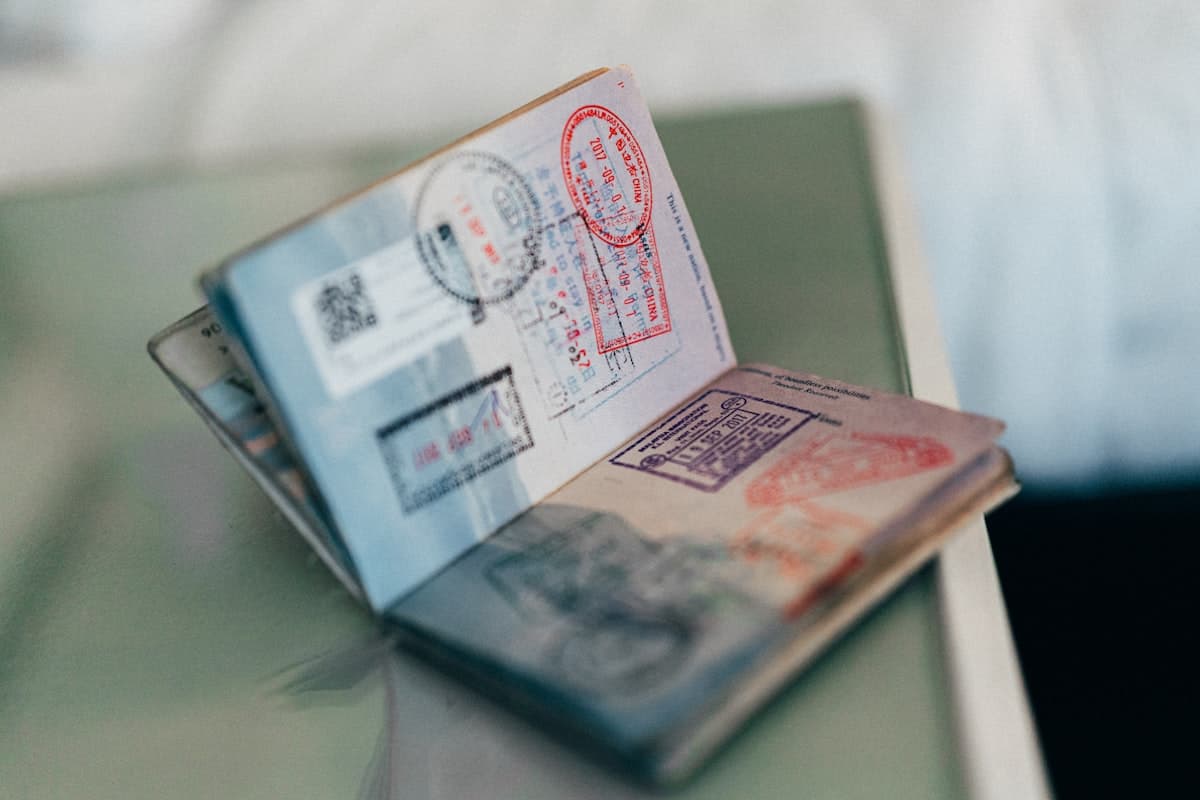
Unlike countries with unpredictable visa outcomes, South Korea operates a structured, criteria-driven visa system. When you meet the academic scores, language benchmarks, and bank statement requirements, your visa approval is highly predictable.
South Korea grants student entry through specific pathways:
D-2 Visa (Regular Degree): Applied directly at the Embassy of the Republic of Korea in Kathmandu for full-time undergraduate or postgraduate degrees.
D-2-E Visa (Electronic Degree Visa): Issued online by South Korean Immigration for direct degree track applicants.
CCVI (Certificate for Confirmation of Visa Issuance): Processed directly by South Korean Immigration on behalf of the university. This streamlined track is exclusive to Excellence Accredited Universities in South Korea, simplifying embassy steps into a swift visa issuance number.
D-4 Visa (Language Track): Designed for students pursuing language immersion courses prior to or alongside degree studies.
What is CCVI (Certificate for Confirmation of Visa Issuance)?
CCVI stands for Certificate for Confirmation of Visa Issuance. It is an official pre-approved visa authorization issued directly by the Ministry of Justice / Immigration Service in South Korea. Instead of the student submitting all complex academic, financial, and personal documents directly to the local South Korean Embassy in their home country, the application process is handled directly within Korea.
South Korea
Study Visa Process
South Korea Student Visa Tracks & Academic Eligibility
Understanding your academic eligibility is key to selecting the right visa track. The table below outlines the core requirements for Nepali applicants:
NEPALI COMMUNITYThe Vibrant Nepali Community in South Korea
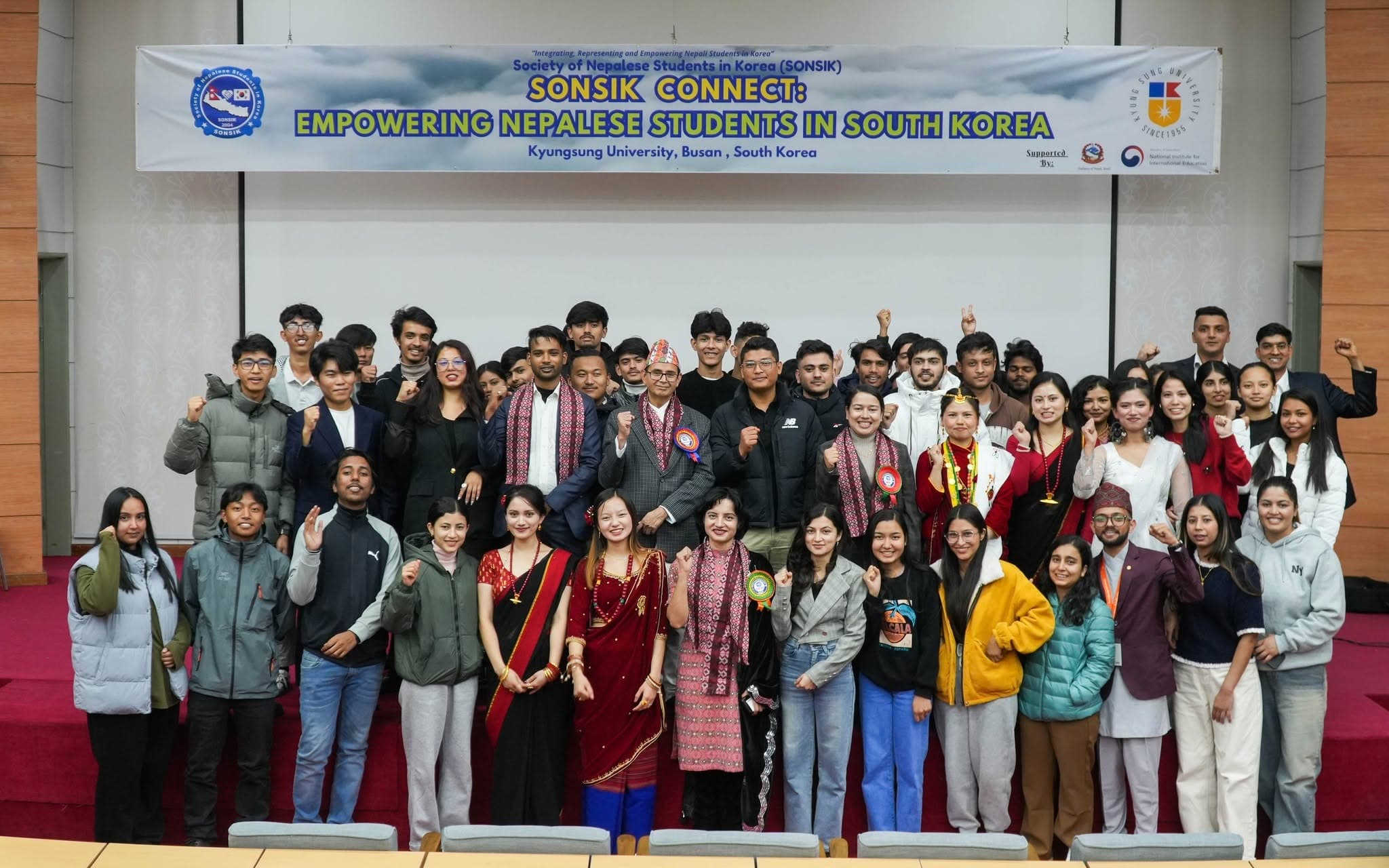
Moving thousands of miles across Asia can feel overwhelming, but in South Korea, Nepali students never have to navigate the journey alone. One of the greatest non-academic benefits of choosing South Korea is its deeply rooted, welcoming, and well-organized Nepali community. Whether you are stepping off the plane in Seoul or moving into your hostel in Busan, you enter an environment supported by decades of bilateral history and a strong network of fellow Nepalis ready to help you succeed.
The deep connection between Nepal and South Korea is built on trust, hard work, and mutual respect. Formal government-to-government labor agreements under the Employment Permit System (EPS) began in 2007, with official worker deployments starting in 2008. Over the past two decades, this initiative alone has welcomed more than 125,000 Nepali professionals into the Korean workforce. Alongside this economic bridge, the academic corridor has grown exponentially. Tens of thousands of Nepali scholars, researchers, and degree-seeking students have pursued their dreams in Korean universities, building an established diaspora that spans every major city across the peninsula.
SONSIK: Your Dedicated Academic & Social Lifeline
At the center of student life is the Society of Nepalese Students in South Korea (SONSIK). Established in 2004, SONSIK is the officially recognized non-profit organization dedicated strictly to the welfare of Nepali students. From the moment you land, SONSIK acts as your extended family in South Korea by providing:
Airport & Orientation Guidance: Helping new arrivals understand local transportation, university registration, and dormitory check-ins.
Academic & Research Mentorship: Connecting undergraduate and postgraduate students with senior scholars for thesis guidance, lab placement tips, and scholarship advice.
Emergency Support & Legal Aid: Assisting students during health issues, insurance queries, or unexpected challenges far from home.
Cultural Networking & Festivals: Organizing annual sports meets, educational seminars, and major cultural celebrations for Dashain, Tihar, and Lhosar so you never miss home during festive seasons.

CAREER OPPORTUNITYMassive Career Scope & High Workforce Demand
South Korea is an economic powerhouse driven by world-famous global brands like Samsung, LG, Hyundai, KIA, and SK Hynix, alongside globally popular K-Beauty, gaming, and entertainment companies. Studying in South Korea places you right in the center of modern innovation, giving you direct access to top-tier technology, industry internships, and global career opportunities.
Why South Korea Needs International Graduates
The biggest advantage for foreign students today is South Korea’s changing demographic landscape. The country is currently experiencing a historic labor shortage due to an aging population and a record-low birth rate. South Korea’s total fertility rate sits between 0.72 and 0.80 children per woman, which is far below the population replacement level of 2.1.
Because the local young workforce is shrinking every year, the South Korean government and private companies actively encourage international students to stay, work, and build their careers in Korea after graduation.
Clear Post-Graduation Career Pathways
This high demand for skilled professionals opens up thousands of job opportunities across high-growing industries, including:
Technology & Engineering: Software development, AI, robotics, electronics, and automotive engineering.
Business & Trade: International marketing, supply chain management, and global sales.
Media & K-Content: Digital animation, game design, video production, and content creation.
Hospitality & Services: Tourism management, translation, and international customer operations.
Long-Term Financial & Professional Growth
For Nepali students, securing a job in South Korea means earning a competitive salary in Korean Won (KRW), recovering your educational investment quickly, and building a high-value resume.
The Korean government offers clear visa pathways—such as transitioning from a student visa (D-2) to a job-seeking visa (D-10) and eventually a professional work visa (E-7 or regional residency visas). Whether you choose to build a long-term career in South Korea or return home with international corporate experience, your degree and work credentials will hold immense value worldwide.
What is a D-10 Visa?
The D-10 Visa is a temporary post-graduation visa designed for international students who have completed their degree and want to stay in South Korea to find a job or undertake corporate internships. It is Initially granted for 6 months and can be renewed up to 2 years (determined by a points-based system that looks at your degree level, university rank, age, and TOPIK score).
Work While Studying
20–25 Hrs per week (semester)
D-10 Job Seeker Visa
Up to 2 Years
Proof of English Proficiency in South Korea
To study in South Korea, you'll need an eligible English language proficiency test score from within the past three years. Accepted tests and score requirements vary by course and institution, so check your course language requirements closely.
The most widely-accepted English language proficiency tests in South Korea include:
Popular Courses in South Korea
Explore the most sought-after programs that offer excellent career prospects and high-quality training.
Korean Language Studies
Computer Science & Software Engineering
Business & International Trade
Electronics & Semiconductor Engineering
Design & K-Content (Media, Animation)
Biomedical & Health Sciences
South Korea Step-by-Step Admission & Visa Process for Nepali Students
Step-by-Step Pathway
Book Embassy Appointment:Schedule an appointment online with the Embassy of the Republic of Korea in Kathmandu for document verification.
Embassy Document Verification:Get your original academic transcripts and certificates verified (Letter of Confirmation) by the Korean Embassy.
University Application:Apply to your chosen South Korean institution. Complete any required virtual interviews and secure your conditional offer letter and fee invoice.
Tuition Fee Payment:Transfer your tuition fees via SWIFT bank transfer as per the university invoice. Receive your official Certificate of Admission (CoA) and accommodation proof.
Local Ward & Municipality Verification:Obtain official English-translated relationship certificates, income verification, and property records from your local ward office.
Financial Proof Preparation:Prepare bank balance certificates and 3- to 6-month transaction statements meeting embassy requirements.
Visa Application Submission:Submit your completed visa application package to the Embassy in Kathmandu (or via the CCVI portal if applying through an accredited university) at least 4 to 6 weeks before your course start date.
Arrival & Alien Registration Card (ARC):Upon landing in South Korea, register at the local immigration office within 90 days to receive your Alien Registration Card (ARC).
Major University Intake Periods in South Korea
Key Admission Windows
SPRING SEMESTERMarch Main Intake (Degree Programs)
The March Spring Semester is the primary academic intake in South Korea. It offers the widest selection of Bachelor's, Master's, and PhD degree courses, with major university scholarship allocations open for international applicants.
FALL SEMESTERSeptember Secondary Intake (Degree Programs)
The September Fall Semester serves as the major secondary degree intake. It is ideal for Nepali students completing high school or university graduations mid-year, offering extensive English-track (GSIS) and Korean-track programs.
LANGUAGE PROGRAM4 Quarterly Intakes (March, June, September, December)
Korean Language Training (D-4-1 visa track) operates on a 4-term quarterly schedule, providing flexible rolling enrollment windows throughout the year.
Recommendation: Start planning your document preparation and language testing at least 6 months in advance of your targeted intake deadline.
South Korea University Admission and Visa Document Checklist for Nepali Students
Essential Admission Documents for South Korean Universities
Academic & School Records
- Copy of the applicant’s passport
- Photo (ICAO Standard/ size 35x45 mm), white background
- SEE Grade Sheet
- SEE Certificate
- SEE Character Certificate
- +2/ SLC Transcript
- +2 Provisional Certificate
- +2 Migration Certificate
- +2 Character Certificate
For Bachelor Passed Students
- Bachelor Transcript
- Bachelor Degree Certificate
- Bachelor Provisional Certificate
- Bachelor Character Certificate
For Masters Passed Students
- Master Transcript
- Master Degree Certificate
- Master Provisional Certificate
- Master Character Certificate
Document Checklist for South Korea Study Visa
Embassy & Visa Application
- Academic Documents:Submit complete transcripts, character, and passing certificates for your latest qualification (+2 for Bachelors/D-4, Bachelor's for Masters).
- Korean Embassy Document Verification:All original academic transcripts and certificates must carry official verification from the Embassy of the Republic of Korea in Kathmandu.
- Apostille Attestation:Required only if your prior qualification was earned from an institution outside Nepal.
- IELTS TRF / TOPIK Scorecard:Submit a notarized copy of your official IELTS TRF or TOPIK scorecard if used for university admission.
- Visa Application Form:Filled online for E-Visa/CCVI applications or printed for physical submission at the embassy.
- Passport & Passport-Sized Photos:Original valid passport along with 2 identical physical photos (35×45 mm, white background, MRP standard).
- Relationship & Birth Certificates:Official Relationship Certificate and Birth Registration Certificate issued by your local ward office.
- Sponsor Citizenship Documents:Legally translated and notarized English copies of citizenship certificates for the student and all listed sponsors.
- Character Certificates:Notarized character certificates from your previous academic institutions (SEE and +2 for Bachelors; Bachelor’s for Masters).
- Tuberculosis Medical Screening:Mandatory TB health screening report issued explicitly by Patan Hospital or designated government hospitals.
- No Objection Certificate (NOC):Original NOC issued by the Ministry of Education, Science and Technology (MOEST), Nepal.
- Tuition Fee SWIFT Receipt:Bank-verified SWIFT transfer copy proving full or partial tuition payment to your South Korean university.
Embassy Note: All original academic certificates and transcripts must receive the official Letter of Confirmation from the Embassy of the Republic of Korea in Kathmandu prior to final visa submission.
Frequently Asked Questions: Studying in South Korea from Nepal
Still Have Questions?
Our expert counselors are ready to help you navigate your journey to South Korea. Get personalized advice today.