
Discover our
latest news & study guides
Get live visa updates, university guides, and scholarship tips for Nepali students. Read clear advice to launch your international education journey.
Latest Articles and Guides

Part Time Work in South Korea for Nepali Students
For many Nepali families, funding an international education is a massive financial commitment. As a prospective student, you are likely looking for destinations where you can earn an income to support your daily life while pursuing your degree.However, the global educational landscape is rapidly shifting. Today, South Korea stands out as a premier destination, offering world-class universities, a booming economy, and a highly structured, legal framework for international students to work part-time. A major question for Nepali students is whether they can legally work while studying in South Korea. The answer is an absolute yes. International students holding D-2 or D-4 visas are permitted to work legally, provided they secure official approval from both their host university and the Korean Immigration Office. This comprehensive guide breaks down the exact rules, working hours, language requirements, realistic earnings, and step-by-step procedures you need to know before boarding your flight from Kathmandu to Seoul. D-2 Visa Part Time Work Rules in South Korea The D-2 Visa is specifically designed for international students enrolled in full-time degree programs at South Korean universities. This category encompasses students pursuing an Associate, Bachelor’s, Master’s, or PhD degree. If you are a D-2 visa holder, you have the advantage of being able to apply for a part-time work permit immediately upon your arrival and enrollment. However, the South Korean government prioritizes your education above all else. Therefore, the actual number of hours you are legally allowed to work heavily depends on your current academic level and your proven language proficiency. South Korea Student Visa Weekly Work Hour Limits For students who meet the baseline academic and language requirements, weekday working hours are strictly capped. This ensures you have ample time to attend lectures, complete assignments, and maintain good grades. Conversely, the rules are highly relaxed during weekends and official university vacations, allowing you to maximize your earnings when classes are out of session. Student Category Weekday Work Limits Weekends / Vacation Limits Undergraduate Students (Bachelor / Associate) Up to 25 hours per week No limit (Unlimited) Graduate Students (Master’s / PhD) Up to 30 hours per week No limit (Unlimited) Note: Working unlimited hours during semester breaks is one of the best strategies for Nepali students to save money for the upcoming semester’s tuition fees. Extended Work Hour Permission South Korea operates on a merit-based system that generously rewards high-performing international students. If you can demonstrate excellent academic grades (typically maintaining a GPA above 2.0 or a solid ‘C’ average) alongside certified Korean language fluency, the Immigration Office may grant you an extended weekday work privilege. Student Category Extended Weekday Work Limit Undergraduate Students Up to 30 hours per week Graduate Students (Master’s / PhD) Up to 35 hours per week This policy is a fantastic incentive. By studying hard and improving your Korean, you unlock the legal right to earn significantly more money every single week. Korean Language Requirements for Student Part Time Work Permit Language proficiency is not just about passing your exams; it is a critical safety and operational requirement in South Korea. The government enforces strict language benchmarks to ensure international students can safely navigate their workplaces and communicate effectively with employers and customers. Failing to meet these language standards will severely restrict your legal working capacity to just 10 to 15 hours per week, which makes it very difficult to cover your living expenses. TOPIK Level Required for Part Time Work in South Korea For students enrolled in general, Korean-taught programs, you must achieve one of the following milestones to unlock your full part-time work privileges: Alternative English Qualification Many Nepali students opt for English-taught programs in South Korea. If you are enrolled in an English-track degree, you can completely bypass the TOPIK requirement by submitting an official English proficiency score instead. The minimum acceptable English test metrics are as follows: English Proficiency Test Minimum Required Score TOEFL 530 (PBT) / 197 (CBT) / 71 (iBT) IELTS 5.5 or higher CEFR B2 level TEPS 601 (New TEPS 327+) (Note: Students from recognized native English-speaking nations are generally exempt from submitting these English test results. However, as a Nepali student, providing an IELTS or TOEFL score is usually mandatory). Can D-4-1 Language Visa Holders Work Part-Time? If you are travelling to South Korea specifically to learn the language before starting a degree, you will likely be on a D-4-1 visa. This visa is granted to students attending regular Korean language study programs at university-affiliated institutes.The pathway to working on a D-4-1 visa is strictly divided into two distinct phases. The First 6 Months: Zero Work Allowance This is arguably the most crucial piece of information for Nepali families to understand: During your first 6 months of living in South Korea on a D-4-1 visa, part-time work is strictly prohibited. This rule is absolute. You cannot legally take on any job during this initial cultural and academic training period. Therefore, you must bring enough personal funds from Nepal to completely cover your accommodation, food, and transport costs for the first half of the year. After 6 Months: Permitted Work Hours Matrix Once you successfully complete 6 consecutive months of legal residency, maintain a strict attendance rate of 90% or above, and receive a formal endorsement from your school, you become eligible to apply for a part-time work permit. From here, your allowable hours are directly tied to your language progress. Korean Ability Level Weekday Work Limits Weekends & Vacation Limits No Official Korean Score (Below Level 2) 10 hours per week 10 hours per week TOPIK Level 2 / KIIP Level 2 20 hours per week No limit (Unlimited) TOPIK Level 3 / KIIP Level 3 25 hours per week No limit (Unlimited) As clearly shown, investing time in learning Korean directly translates to a higher earning potential during your studies. Step-by-Step Guide: How to Apply for a Korean Work Permit Working “off the books” or without a legal stamp is considered a severe immigration offense in South Korea. If caught, you risk heavy ... Continue reading Part Time Work in South Korea for Nepali Students

South Korea Study Visa Process from Nepal
Securing a South Korea student visa from Nepal is an exciting milestone that opens doors to world-class education, advanced technological campuses, and promising global career paths. South Korea has rapidly become one of the top study-abroad destinations for Nepalese students due to its high academic standards, affordable tuition fees, and excellent post-study opportunities. However, turning your university acceptance letter into an active visa stamp requires absolute precision, meticulous document compilation, and strict adherence to guidelines set by the Embassy of the Republic of Korea in Kathmandu. This comprehensive guide breaks down the exact visa categories, the complete document checklist, financial proof requirements, the critical interview stage, and a step-by-step application roadmap designed specifically for Nepali students. 1. Choosing the Right Visa Category & Academic Eligibility Before gathering your documentation, you must select the visa category that matches your degree level, academic history, and language proficiency. When finalizing your study plan, cross-reference your chosen major with your university’s program catalog to ensure it aligns perfectly with your academic background and the visa requirements below. Visa Type Program Track Min. Academic Requirement Max Academic Gap Language Benchmark D-4-1 Korean Language 2.7 GPA 3 Years Not Applicable D-4-7 English Language 2.8 GPA 3 Years IELTS 4.5 D-2 Direct Degree (Embassy Track) 3.2 GPA (UG) / 40% (Master’s) 3 Years IELTS 5.5+ or TOPIK Level 2+ D-2-E Direct Degree (Electronic/CCVI) 2.8 GPA (UG) / 40% (Master’s) 3 to 10 Years IELTS 5.5+, TOPIK L2+, or CEFR B2 Note on CCVI: The Certificate for Confirmation of Visa Issuance (CCVI) is an electronic track exclusive to Excellence Accredited Universities. Under this track, the university processes your visa approval directly with South Korean Immigration, bypassing many complex embassy steps. 2. Comprehensive Visa Document Checklist All non-English official documents issued in Nepal must be translated into English by an authorized translator and notarized or attested by the relevant government ministries. A. Identification & Personal Documentation B. Educational Certificates & Ministry Verification C. Local Ward & Sponsor Documents D. Admission & Institutional Papers 3. Financial Proof & Bank Balance Requirements Demonstrating strong, legitimate financial capacity is the single most critical factor in South Korean student visa approvals. Unexplained, sudden cash deposits without verifiable income sources will result in immediate visa refusal. 4. Approvals & Medical Clearance in Nepal Before submitting your final visa file, you must fulfill two mandatory local requirements: 5. Mastering the Interview (The Most Critical Step) The interview phase is arguably the most vital part of the entire visa lifecycle. Depending on your track, you may face two separate interviews: one with the University and one with the Embassy. The University Admission Interview (Virtual) Before issuing your CoA, Korean universities will interview you to assess your genuine intent to study. When submitting your physical file in Kathmandu, the visa officer may conduct a rigorous screening. 6. South Korea Study Visa Process from Nepal Step-by-Step Follow this chronological timeline to ensure a smooth processing experience: 7. How to Avoid Visa Refusals Most visa rejections happen due to completely avoidable administrative errors. Protect your application by avoiding these common pitfalls: Read our Complete Study in South Korea Guide

Genuine Cost of Studying in South Korea for Nepali Students: Pre-Departure & Monthly Expenses
South Korea has rapidly transformed into a dream destination for Nepali students. Whether you are drawn to the cutting-edge technology, the globally recognized universities, or the vibrant culture of Seoul and Busan, studying in South Korea offers an unparalleled international experience. However, beneath the excitement of acceptance letters and visa approvals lies the most critical question every student and parent asks: “What is the cost of studying in South Korea from Nepal? Studying abroad is a massive financial commitment that requires careful planning. Between paying for documentation in Kathmandu, demonstrating sufficient bank balances, and managing daily subway commutes in Korea, budgeting is essential. To help you plan your academic journey, this comprehensive guide breaks down every single expense you will encounter. We have completely updated these figures to provide you with the most realistic, up-to-date look at pre-departure costs from Nepal and the monthly living expenses once you arrive in South Korea. 1. Understanding Your Study Pathway: D-4 vs. D-2 Visas Before calculating your specific tuition, it is vital to understand how you will enter South Korea, as your costs vary heavily based on your visa type: 2. Estimated Cost Before Reaching South Korea (Pre-Departure) Your spending starts long before you board a flight at Tribhuvan International Airport. South Korean universities and immigration authorities require strict documentation. Below is the detailed breakdown of the exact estimated costs you will incur in Nepal before flying to South Korea. South Korea Pre-Departure Cost Breakdown Expense Headings D-4 Visa (Language Program) D-2 Visa (Degree Program) NPR (Reference Range) Documents for Verification Academic transcript verification & notary Academic transcript verification & notary 3,500 IELTS + Korean Language Training Language preparation classes IELTS / TOPIK preparation classes 10,000 – 20,000 Tuition Fees (1 Semester before scholarship) 2 to 4 Terms (6–12 Months upfront) 1 Semester upfront (Before scholarship) Approx. 400,000 Dormitory Accommodation (6 months) On-campus housing for 6 months On-campus housing for 6 months 100,000 – 200,000 NOC (No Objection Certificate) Ministry of Education approval Ministry of Education approval 2,000 Courier & Document Delivery Sending documents to universities Sending documents to universities 4,500 – 5,000 Visa Fee Embassy visa stamping fee Embassy visa stamping fee 11,300 Medical Checkup Tuberculosis screening (Through Patan) Tuberculosis screening (Through Patan) 1,610 Embassy Fee Consular processing fee Consular processing fee 2,480 Pocket Money (Initial Settlement) Emergency fund upon arrival Emergency fund upon arrival 300,000 Application Fee Non-refundable university application Non-refundable university application 10,000 – 20,000 Air Ticket One-way flight to Incheon One-way flight to Incheon 70,000 – 120,000 Insurance per semester Mandatory health insurance Mandatory health insurance 12,000 – 18,000 Other Expenses Miscellaneous preparation Miscellaneous preparation 200,000 Total Estimated Expenses NPR 1,200,000 – 1,500,000+ NPR 11,27,390 – 12,93,500 NPR 11,27,390 – 12,93,500 A Closer Look at Pre-Departure ExpensesA. Tuition Fees: How Much is the Actual Education? South Korean tuition fees are incredibly affordable compared to the USA, UK, or Australia, but they still represent your largest expense. The cost depends heavily on whether the university is public (national) or private, and your chosen major. Korean Language Program (D-4) If you go for the language route, programs are divided into 10-week semesters. Bachelor’s Degree (Undergraduate) Master’s Degree (Graduate) Pro Tip for Nepali Students: Science, Technology, Engineering, and Mathematics (STEM) programs are slightly more expensive, but they offer significantly more university-funded scholarships and research grants compared to business or arts degrees. B. Dormitory Accommodation Before DepartureNepali students are typically required to pay for 6 months of university dormitory accommodation upfront, costing between NPR 100,000 and NPR 200,000. Settling this housing fee in advance is mandatory to receive your Certificate of Admission (COA) for your visa, ensuring a safe, guaranteed place to stay from the day you land in South Korea. C. Language Preparation Taking IELTS, PTE, or TOPIK preparation classes in Nepal usually costs NPR 10,000 to NPR 20,000. The actual exam fee for IELTS is around NPR 31,500. D. Document Verification & Notarization: South Korean universities are very strict about paperwork. You will need to verify your academic documents from the National Examination Board (NEB), the Ministry of Education, and the Ministry of Foreign Affairs (MOFA). Translating, notarizing, and verifying these documents will cost around NPR 10,000 to NPR 15,000. E. University Application Fees: Each university charges a non-refundable application fee ranging from $50 to $150 (approx. NPR 6,500 to NPR 20,000). F. Medical Checkup (Tuberculosis Test): A mandatory TB screening from a Korean embassy-approved hospital in Nepal costs roughly NPR 1500 to 2000. G. Visa Application Fee: The standard visa fee at the Embassy of the Republic of Korea in Kathmandu (or through VFS Global) is roughly $60 (approx. NPR 8,000). H. One-Way Flight Ticket: Depending on when you book and the airline (Korean Air, Nepal Airlines, etc.), a one-way ticket to Incheon International Airport costs between $350 and $750 (approx. NPR 47,000 to NPR 1,00,000). Total Pre-Departure Cost: Roughly NPR 11,17,390 – 12,83,500. 3. The “Proof of Funds” (Bank Balance Requirement) One of the biggest hurdles for Nepali students is the financial demonstration required for the visa. The Korean embassy needs to know your family has enough money to support you so that you don’t solely rely on illegal work. Note: This NPR 30 Lakh is not money you “spend,” but money you must “show” in a Nepali bank account. However, managing this balance often incurs costs if you are taking educational loans.you must factor in the potential interest costs if you are utilizing educational bank loans in Nepal to show this balance. 4. Monthly Living Expenses in South Korea Once you arrive in South Korea, living costs will heavily depend on your lifestyle, your ability to budget, and whether you live in a bustling metropolis like Seoul or a more affordable regional city like Daegu or Busan. By practicing smart spending habits, Nepali students can manage their daily lives on a highly efficient budget. Here is a breakdown of your expected monthly running costs: A. Accommodation: NPR 25,000 to NPR 50,000 Housing will be your most significant ... Continue reading Genuine Cost of Studying in South Korea for Nepali Students: Pre-Departure & Monthly Expenses
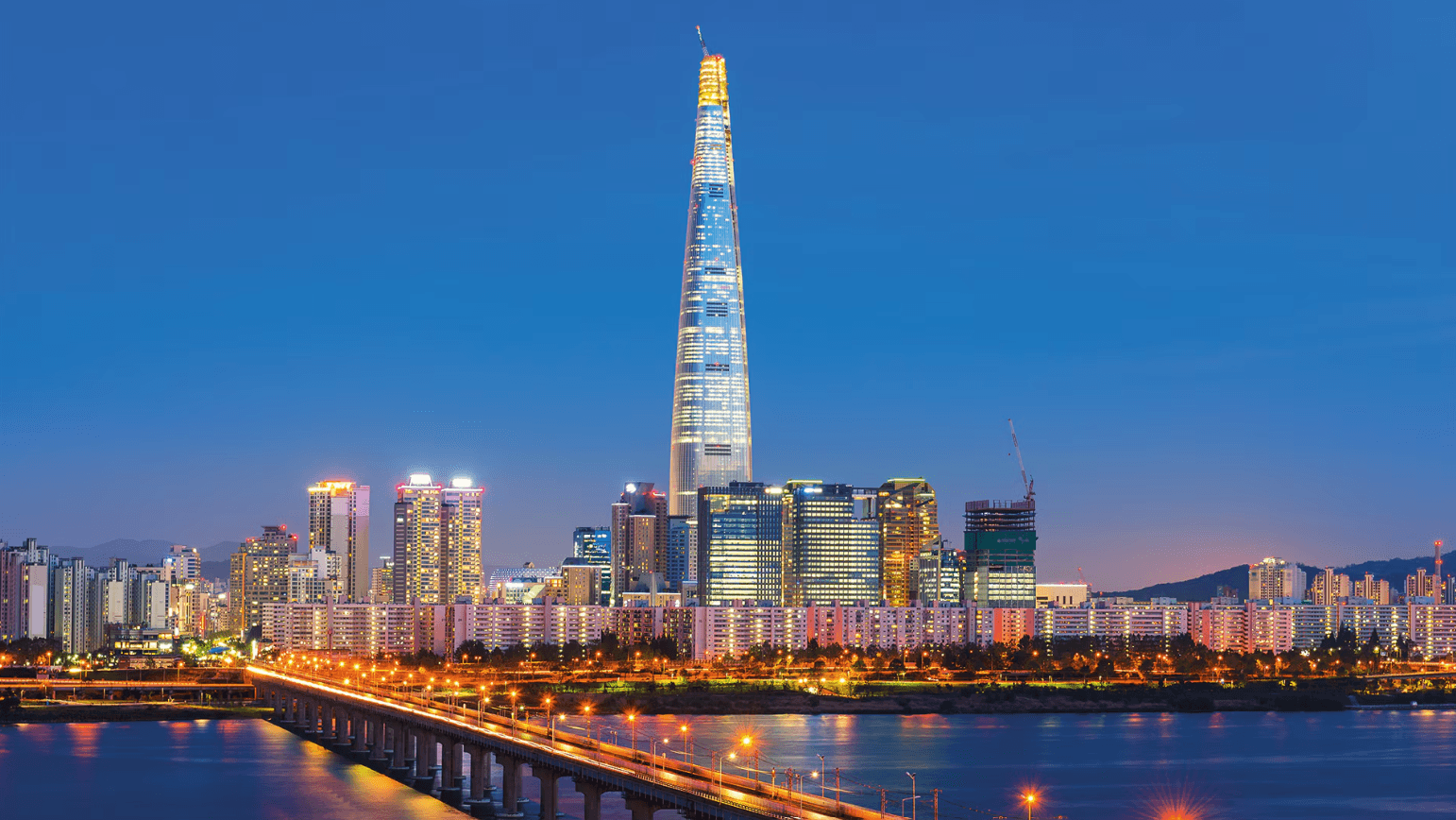
How to Complete the South Korea Verification Appointment Demand Survey
What the Notice Means The notice published on September 1, 2026, by the Embassy of the Republic of Korea in Nepal announces the official South Korea Verification Appointment Demand Survey for 2027 Student Visas. Crucially, this is NOT an official call for actual document verification appointments or a visa application process. Instead, it is an exploratory data-collection exercise meant to map out how many Nepali students intend to pursue their studies in South Korea for the upcoming 2027 intakes (Spring or Autumn semesters). Why It Was Given and Its Purpose In recent years, the sheer volume of Nepali students applying for Korean student visas (across language courses, undergraduate, and postgraduate programs) has expanded dramatically. This massive influx has historically created severe administrative bottlenecks during peak visa filing seasons, leading to crowded appointment portals, rapid slot depletion, and stressful delays for students trying to meet university intake start dates. The primary purpose of this demand survey is operational forecasting and capacity management. Specifically, the Embassy is collecting structured data to: Step-by-Step Instructions: How to Fill Up and Submit the Survey If you are a Nepali student planning to study in South Korea in 2027, you must follow the precise instructions below before the deadline. A. Important Timeline B. Submission Destination C. Required Email Subject Format Your email subject line must strictly follow this delimiter-based format using slashes (/): Example Subject Line: SURVEY/SPRING/D-2-1/19991231/PA1234567/RAM BAHADUR Please use the below table to identify your Visa Category Code Visa Category Code Category Visa Code Program Degree Program (D-2) D-2-1 Associate Degree D-2-2 Bachelor’s Degree D-2-3 Master’s Degree D-2-4 Doctoral Degree (Ph.D.) D-2-5 Research Program D-2-6 Exchange Student D-2-7 Work-Study Program D-2-8 Visiting Student Language Training (D-4) D-4-1 Korean Language Trainee D-4-7 Foreign Language Trainee “` D. Required File Attachments You must attach two specific documents to your email: E. Email Body Text Important Warnings and Notes Download the Notice: Verification Appointment Demand Survey for 2027 Student Visas Looking to study in South Korea? Read our Complete Study in South Korea Guide
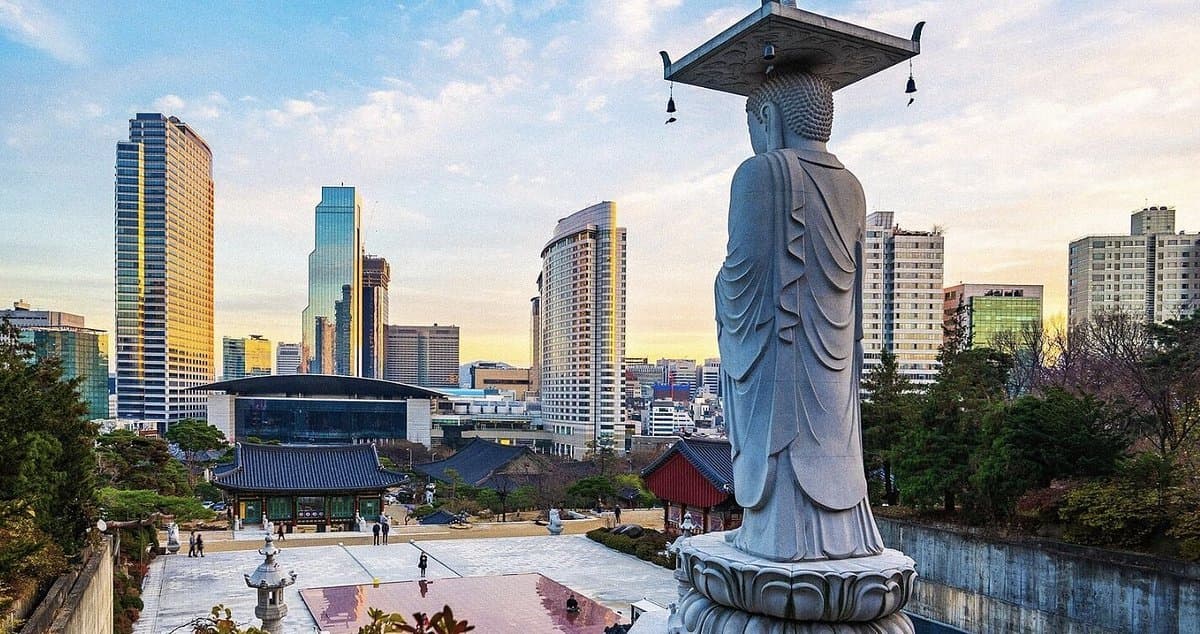
Nepali Student Guide to South Korea: Visas, Requirements, and Costs
South Korea has rapidly emerged as one of the most attractive study-abroad destinations for Nepali students. Combining world-class academic institutions, cutting-edge technological infrastructure, safe living environments, and vibrant cultural appeal, Korean universities offer an exceptional alternative to traditional Western destinations. Unlike countries with unpredictable visa shifts and escalating tuition costs, South Korea maintains a structured, transparent, and welcoming environment for international scholars. Navigating the application journey from Kathmandu to Seoul, Busan, or Daegu requires a clear understanding of university entry requirements, financial expectations, document attestation procedures, and visa rules. This comprehensive guide outlines the crucial steps to successfully study in South Korea from Nepal. 1. Key Visa Categories for International Students Before applying to universities, you must determine which student visa category aligns with your academic goals. The Korean government primarily issues two types of student visas to international applicants: the D-4 Visa for language training and the D-2 Visa for degree-seeking programs. Visa Type Program Subcategory Target Audience Primary Focus D-4-1 Korean Language Trainee Students enrolling in intensive Korean language courses (3–12 months) Achieving language proficiency prior to degree entry D-2-1 Associate Degree Students entering 2-year technical or vocational college programs Practical skill training and technical qualifications D-2-2 Bachelor’s Degree Students pursuing 4-year undergraduate programs Academic degree education across diverse fields D-2-3 Master’s Degree Graduates enrolling in 2-year postgraduate degrees Advanced research and specialized professional study D-2-4 Doctoral Degree (PhD) Research scholars entering PhD or doctoral-level studies Specialized research and academic publication The D-4 to D-2 Transition Pathway Many Nepali students begin their journey on a D-4-1 Language Visa. Studying Korean at a university language center in South Korea for 6 to 12 months allows students to build cultural context, adapt to local life, and achieve the required Test of Proficiency in Korean (TOPIK) level. Once a student attains TOPIK Level 3 or 4, they can convert their visa status directly to a D-2 Degree Visa without returning to Nepal. 2. Academic and Language Requirements to Study in South Korea from Nepal Admission criteria vary between public state universities, specialized tech institutes (such as KAIST or POSTECH), and private institutions. However, standard benchmarks apply across most programs. Academic Prerequisites Language Proficiency Requirements South Korea offers courses taught both in Korean and 100% in English. The language requirement depends on your track: 3. Essential Document Attestation for Nepali Applicants Immigration authorities and Korean universities mandate strict document legalization. Applications submitted with incomplete or unverified paperwork face immediate delays or outright rejection. The Standard Verification Workflow in Nepal Key Documents Checklist 4. Comprehensive Financial Blueprint and Costs Understanding the full financial scope prevents budgeting errors during your studies. Expenses fall into three core categories: tuition fees, daily living costs, and show-money proof. Estimated Tuition Fees (Per Academic Year) Program Level Public Universities (USD) Private Universities (USD) Equivalent in NPR (Approx.) Language Course (D-4) $4,000 – $5,200 $4,800 – $6,500 NPR 5.5 Lakhs – 8.8 Lakhs Undergraduate (D-2-2) $3,000 – $5,000 $5,000 – $8,500 NPR 4.0 Lakhs – 11.5 Lakhs Postgraduate (D-2-3) $3,500 – $6,000 $6,000 – $10,000 NPR 4.8 Lakhs – 13.5 Lakhs Estimated Living Expenses Living costs depend heavily on location. Living in the Seoul Metropolitan Area is noticeably more expensive than residing in regional cities like Daegu, Gwangju, or Busan. Total Estimated Monthly Budget: $650 to $1,000 (approx. NPR 85,000 to 135,000 per month). Bank Balance Requirements (Show Money) Immigration authorities demand clear proof that the applicant or their parents can fund their tuition and living costs. Funding must be backed by verifiable sponsor documents, including family tax clearance certificates, property valuation certificates, and stable monthly income sources. 5. Work Rights and Part-Time Employment To balance living costs, international students holding a D-2 or D-4 visa are permitted to work part-time, provided they obtain official permission from the local immigration office (Permission for Activities Outside Status of Stay). Work Authorization Rules Earning Potential South Korea sets a competitive national hourly minimum wage (regularly updated above 9,800+ KRW/hour, approximately USD 7.50+ / NPR 1,000+ per hour). Common student jobs include campus assistantships, university cafeteria work, convenience store operation, restaurant service, and language tutoring. 6. Step-by-Step Application Timeline A typical application cycle takes 6 to 9 months from initial research to arrival in South Korea. By selecting accredited institutions, ensuring meticulous document verification with MOFA and the Korean Embassy, and maintaining a structured financial plan, Nepali students can build a smooth pathway toward earning a respected degree in South Korea. Read our Complete Guide to Study in South Korea from Nepal
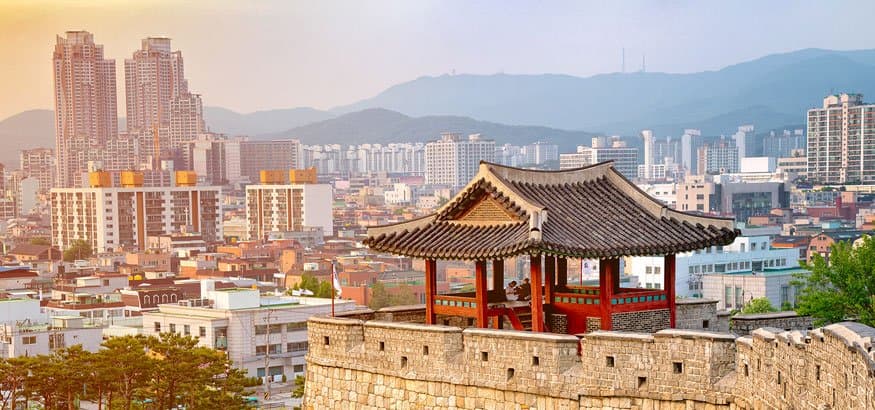
The Ultimate Nepalese Student Guide Travelling to South Korea: Pre-Departure, Transit, and Arrival
Pre-Departure Checklist: Required Documents As outlined in the Nepalese Student Guide Travelling to South Korea, preparing for an international study journey is filled with excitement, but ensuring a smooth transition through immigration begins long before you step onto the aircraft. Keeping your paperwork meticulously organized is the single most crucial step before departing Nepal. A minor clerical error or a missing document can lead to unnecessary delays at border control, so it is vital to keep all original documents along with at least two sets of clear photocopies safely stored in a dedicated, easily accessible carry-on folder: Never pack these documents inside your checked luggage. Airport officials in Kathmandu and Seoul will inspect them prior to granting clearance, so keeping them in your hand luggage is mandatory. Smart Packing Guidelines for South Korea Packing efficiently requires balancing South Korea’s distinct seasonal weather with international airline safety standards. Preparing early ensures a stress-free transit from Kathmandu to Seoul. Electrical Adapters South Korea operates on standard Type C and Type F wall outlets with a voltage of 220V at 60Hz. Standard Nepalese plugs will not fit these recessed round sockets. Purchase a universal adapter plug in Kathmandu before flying so you can charge your phone, laptop, and electronic accessories immediately upon arrival. Restricted Items in Baggage Navigating Incheon International Airport (ICN) Incheon International Airport is recognized globally for its efficiency and clear signage. Follow these four steps to navigate smoothly from your aircraft gate to your university destination: First-Week Essentials Upon Arrival Once you have arrived on campus and settled into your room, prioritize completing these mandatory administrative tasks during your first week: Read more at our comprehensive guide for South Korea
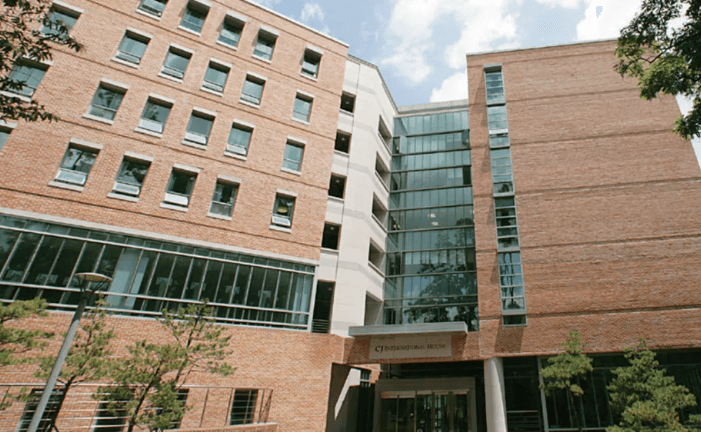
Student Accommodation in South Korea: A Complete Guide for International Students
Preparing for your dream vacation can be exciting and scary at the same time. Here are a few things to keep in mind when for your visa to visa application experience.
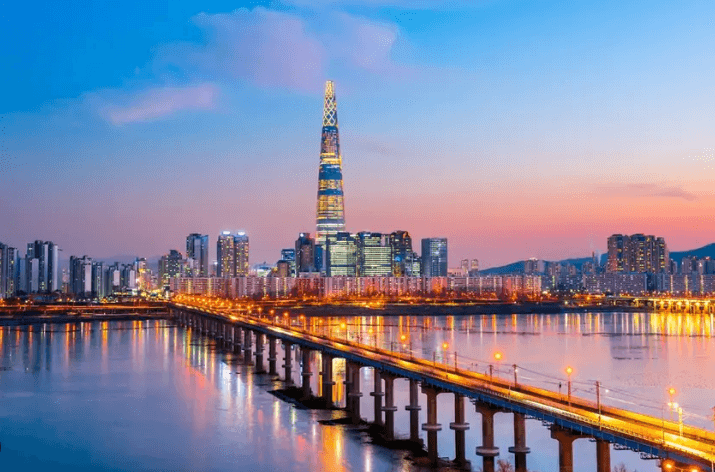
Study in South Korea for Nepali Students
Preparing for your dream vacation can be exciting and scary at the same time. Here are a few things to keep in mind when for your visa to visa application experience.