
Study in Canada
from Nepal: A Complete Guide 2026-27
Canada is a top destination for international students from Nepal, offering globally recognized degrees, a safe multicultural environment, and direct pathways to permanent residency. Plan your Canadian education journey with expert guidance from BrightPath.


Top 5 Reasons Why Nepali Students Choose to Study in Canada

ACADEMICSGet a Globally Respected Education
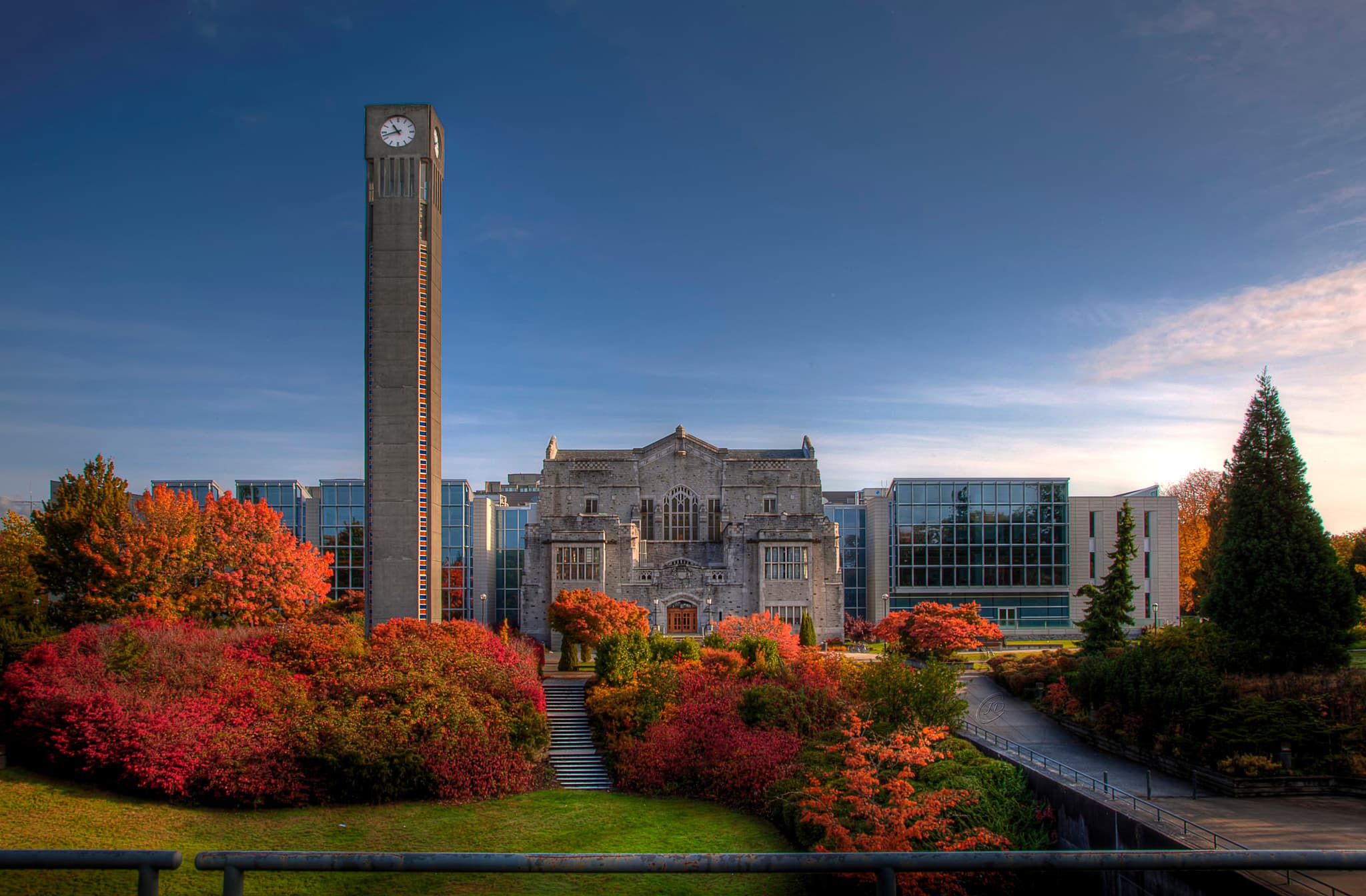
Canada is home to prestigious universities and colleges recognized globally for academic excellence, rigorous research, and career-focused innovation. Governed by high provincial quality standards, Canadian degrees provide exceptional value. Whether you choose business, engineering, IT, or healthcare, studying in Canada sets you up for global professional success.
SATISFACTIONHigh Student Satisfaction and Campus Support
International student satisfaction across Canada remains exceptionally high, driven by safe campuses, outstanding academic resources, and comprehensive student support networks. Joining hundreds of thousands of global peers ensures a dynamic student life. Canada offers a welcoming, friendly atmosphere where Nepali students seamlessly transition, build lasting networks, and thrive academically.



EXPERIENCEWork While Studying and Post-Graduation Opportunities
Gaining hands-on professional experience is vital for a lifelong career. Canada offers robust work opportunities for international students. Eligible students can work up to 24 hours per week off-campus during regular academic terms, and full-time during scheduled breaks. After graduating, you may qualify for a Post-Graduation Work Permit (PGWP) lasting up to 3 years, providing a direct pathway to gain Canadian work experience and explore permanent residency.
Work While Studying
24 Hrs per week off-campus
PGWP Work Permit
Up to 3 Years
LIFEExceptional Quality of Life and Safe Environment
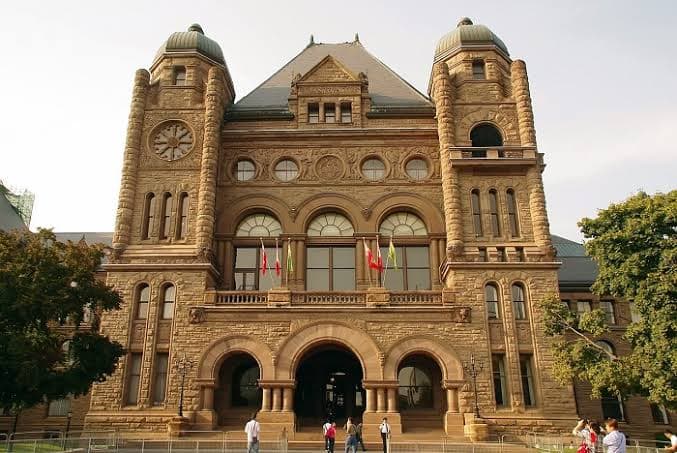
Renowned for safety, cleanliness, and breathtaking natural landscapes—from the Rockies to vibrant modern cities—Canada consistently ranks near the top of global quality of life indices. For Nepali students looking for a peaceful yet dynamic environment, Canada provides a healthy balance of world-class urban amenities and pristine nature.


COMMUNITYJoin a Diverse and Multicultural Society
Canada is built on cultural diversity and deep-rooted respect for immigrants. No matter which province or city you choose—such as Ontario, British Columbia, or Alberta—you will find warm, multicultural communities and active Nepali student networks that ensure you always feel right at home.
Proof of English Proficiency in Canada
To study in Canada, you'll need an eligible English language proficiency test score from within the past three years. Accepted tests and score requirements vary by course and institution, so check your course language requirements closely.
The most widely-accepted English language proficiency tests in Canada include:
Popular Courses in Canada
Explore the most sought-after programs that offer excellent career prospects and high-quality training.
Computer Science & AI
Health Sciences & Nursing
Core & Software Engineering
Business Administration & MBA
Finance & Accounting
Environmental Studies & Renewable Energy
Why These Courses Matter in Canada
Canada offers a diverse range of accredited undergraduate and postgraduate programs, specifically tailored to global industry demand, critical national skill shortages, and Canada's core economic strengths. The most popular and practical course choices for international students include:
1. Computer Science & Artificial Intelligence
Why Study It in Canada
Canada's digital economy is expanding rapidly, driving massive investments in software engineering, artificial intelligence, and cloud computing across tech hubs like Toronto, Vancouver, and Waterloo. Canadian tech degrees are highly respected globally and heavily focused on co-op experiences.
Popular Programs
- BSc / MSc in Computer Science
- Master of Data Science & AI
- Bachelor of Cybersecurity
Career Advantage: High-paying tech job placements (CAD $75,000–$120,000+), excellent eligibility for post-study work visas (PGWP), and soaring corporate demand across finance, defense, and startups.
2. Health Sciences & Nursing
Why Study It in Canada
Canada faces a significant national shortage of healthcare professionals due to an aging population and continuously expanding medical infrastructure. Studying nursing or health sciences in Canada places you inside high-tech teaching hospitals and clinical settings equipped with world-class facilities.
Popular Programs
- Bachelor of Science in Nursing (BScN)
- Master of Public Health (MPH)
- Diploma in Practical Nursing
Career Advantage: Outstanding graduate employability, high starting salaries (CAD $70,000–$95,000+), and a direct pathway to professional provincial registration for skilled migration and Permanent Residency.
3. Core & Software Engineering
Why Study It in Canada
Driven by multi-billion-dollar government infrastructure developments, urban expansion, and renewable energy transitions, Canada maintains a constant demand for qualified engineers. Engineering degrees accredited by Engineers Canada fall under the Washington Accord, granting global mobility.
Popular Programs
- Bachelor / Master of Civil Engineering
- BEng / MEng in Electrical Engineering
- Software Engineering
Career Advantage: Excellent starting salaries (CAD $75,000–$110,000+), high demand in developing regional areas, and priority status for provincial nominee programs (PNP).
4. Business Administration & MBA
Why Study It in Canada
Canadian business schools hold prestigious international accreditations (such as AACSB and EQUIS), offering flexible study tracks, corporate internship programs, and direct alignment with North American corporate structures.
Popular Programs
- Bachelor of Commerce (BCom)
- Master of Business Administration (MBA)
- Master of Management
Career Advantage: Prepares graduates for versatile roles such as financial analysts, management consultants, and business strategists across multinational firms in Toronto, Montreal, and Calgary.
5. Finance & Accounting
Why Study It in Canada
Toronto is one of North America’s largest financial centers. Finance and accounting programs in Canada are tightly integrated with professional bodies, offering direct pathways to CPA (Chartered Professional Accountant) designation.
Popular Programs
- Bachelor of Accounting
- Master of Finance (MFin)
- Post-Graduate Certificate in Professional Accounting
Career Advantage: High job security, strong pathways into Canada's banking sector, and globally recognized professional CPA credentials.
6. Environmental Studies & Renewable Energy
Why Study It in Canada
As a global leader in sustainability, climate research, and green technology, Canada is heavily investing in a net-zero future. Universities offer unparalleled access to diverse ecosystems and hands-on environmental fieldwork.
Popular Programs
- BSc in Environmental Science
- Master of Clean Energy Engineering
- Diploma in Environmental Technician
Career Advantage: Rapidly growing green job sector, government-backed infrastructure projects, and meaningful career impact in climate change mitigation.
Canada Popular Courses & Advantage
Canada Study Permit Entry Requirements for Nepali Students
Mandatory Criteria
DOCUMENTATIONValid Passport and Academic Transcripts
Nepali applicants must present a valid passport and certified academic records (such as SEE, +2/NEB, or Bachelor's degree transcripts) that meet the rigorous evaluation standards of Canadian institutions. All documents must be officially translated into English if originally issued in Nepali.
ENGLISH PROFICIENCYApproved Language Tests (IELTS or PTE)
Demonstrating English proficiency is essential for university admission and IRCC visa processing. Canadian colleges typically require an IELTS overall score of 6.0 (no band less than 5.5 or 6.0), while universities and Master's programs generally demand an IELTS of 6.5 (no band below 6.0). PTE Academic equivalents are also widely accepted.
VISA COMPLIANCEStatement of Purpose (SOP)
A highly detailed Statement of Purpose (SOP) is critical for IRCC. It must clearly outline your academic goals, explain any study gaps, demonstrate strong financial and family ties to Nepal, and establish your genuine intent to return home after your studies.
FINANCIAL CAPACITYProof of Funds & GIC Requirement
Students must provide documented evidence of sufficient funds to cover first-year tuition, travel, and living expenses. For Nepali students, securing a Guaranteed Investment Certificate (GIC) from a participating Canadian bank is the most robust and highly recommended way to prove living funds to IRCC.
ADMISSIONLetter of Acceptance (LOA) from a DLI
To apply for a Canadian study permit, you must first secure an official Letter of Acceptance (LOA) and any required Provincial Attestation Letters (PAL) from a government-approved Designated Learning Institution (DLI).
Major Intake Periods for Canadian Universities
Key Admission Windows
FALL SEMESTERSeptember Major Intake
September is the primary academic intake in Canada. It provides the largest selection of courses across all DLIs, the highest availability of international scholarships, and prime opportunities for campus integration.
WINTER SEMESTERJanuary Winter Intake
The January intake serves as an excellent secondary option for Nepali students who require extra time for English test preparation or financial planning after the fall deadline, offering a wide array of excellent programs.
SUMMER SEMESTERMay Summer Intake
A specialized and highly competitive intake featuring limited course options. It is primarily ideal for specific short-term programs, specialized diploma tracks, or bridging courses.
* Note: University deadlines vary heavily. We recommend starting your application process 4 to 6 months in advance.
STUDENT VISA: Canada Study Permit Requirements
How to Apply and Secure Your Letter of Acceptance & PAL from Canada
Securing a Canadian study permit is a premier choice for Nepali students planning to study abroad. Applications are submitted online through the official IRCC portal. You can only lodge your study permit application after receiving your official Letter of Acceptance (LoA) and Provincial Attestation Letter (PAL) from your designated learning institution (DLI).

Canada Study Permit & University Document Checklist for Nepali Students
Essential Admission Documents for Canadian Universities (DLI)
- University or College Application Form: Submitted directly via the university portal or an authorized representative.
- Valid Passport (Scanned Copy): Clear, colored scan of your bio-data pages.
- Academic Transcripts & Certificates (SEE/+2 to Bachelor): NEB Class 12 transcripts, provisional certificates, and character certificates. Master's applicants need all 4-year Bachelor’s mark sheets and degree certificates.
- IELTS / PTE Score Report: Valid test scores taken within the last 2 years.
- Statement of Purpose (SOP) for University: Focused heavily on why you are choosing the specific course and how it builds upon your past education.
- Letters of Recommendation (Min. 2): Usually one academic (from a college professor) and one professional (if you have work experience).
- Updated Resume / CV: Highlighting education, skills, and any professional background.
- Work Experience Letter (If applicable): Crucial for Nepali students to justify any study gap longer than 6 months. Must include salary details, dates of employment, and company letterhead.
Before you can apply for a visa, you must apply for university admission. For Nepali students, academic documentation must be pristine and verifiable.
IRCC Regular Study Permit & Financial Compliance Documents
- Letter of Acceptance (LOA) from a Designated Learning Institution (DLI): Must clearly state your program start date, duration, and tuition fees.
- Provincial Attestation Letter (PAL / TAL - if applicable): A mandatory document from the province confirming you are within their student cap. Note: Students enrolling in Master's or PhD degree programs at public universities are currently exempt from needing a PAL.
- Proof of Financial Support & GIC: Effective September 1, 2026, IRCC requires a single applicant to prove they have CAD $23,448 for first-year living expenses, PLUS the first-year tuition fee, PLUS return travel costs.
- The GIC Advantage: Depositing the $23,448 into a Guaranteed Investment Certificate (GIC) with a Canadian bank (like Scotiabank, CIBC, or SBI Canada) is the safest way for Nepali students to prove living funds.
- Additional Proof: Education loans from Nepal's "A" class commercial banks, sponsor's income sources (salary slips, business registration), and tax clearance certificates.
- Biometrics Enrollment Confirmation: You must book an appointment and provide fingerprints and a photo at the VFS Global center in Kathmandu.
- Medical Examination Report (IRCC Panel Physician): An upfront medical exam is mandatory for Nepali students. This is strictly done at the IOM (International Organization for Migration) clinic in Baluwatar, Kathmandu.
- Police Clearance Certificate (PCC): Issued by the Nepal Police, translating to proof of good character.
- Passport-sized Photos (IRCC Specifications): Digital and physical copies meeting exact dimensions.
- Study Permit Application & Biometrics Fee Receipts: Standard processing fee of CAD $150 and Biometrics fee of CAD $85.
- Family Information Form (IMM 5645): A mandatory IRCC form detailing your immediate family members.
- IRCC Statement of Purpose (SOP): Unlike the university SOP, the IRCC SOP must focus heavily on your ties to Nepal (family, property, future career prospects) to prove you are a genuine temporary entrant who will leave Canada at the end of your authorized stay.
The IRCC study permit application is highly rigorous. Many Nepali students face visa refusals due to poor financial documentation or a weak SOP. Here is the exact checklist required for a successful application:
Study in Canada from Nepal: Frequently Asked Questions (FAQs)
Still Have Questions?
Our expert counselors are ready to help you navigate your journey to Canada. Get personalized advice today.