
Study in Greece
from Nepal: A Complete Guide 2026-27
Studying in Greece is rapidly gaining popularity among Nepali students who are looking for a high-quality, affordable European education. With globally recognized degrees, English-taught programs, and significantly lower living costs compared to other EU nations, Greece serves as the perfect gateway to Europe’s booming job market.

Top 5 Reasons Why Nepali Students Choose to Study in Greece
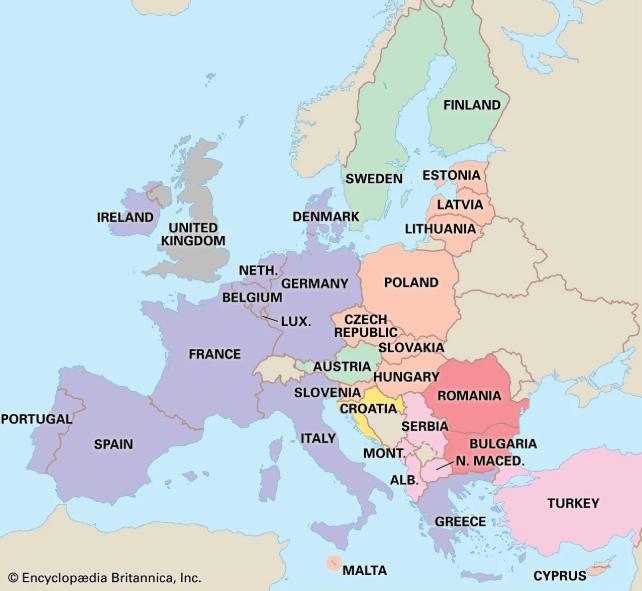
EU ACCESSBorderless Travel Across 29 Schengen Area Countries
Holding a Greece National Type D (Long-Stay) Student Visa—which converts into a Greek Residence Permit upon arrival—grants Nepali students border-free access to the entire Schengen Area.
Travel Freedom
Once you arrive in Greece, you can travel across 29 European countries (including Germany, France, Italy, Switzerland, Spain, the Netherlands, and Austria) without applying for separate tourist visas.
Global Academic Exposure
Students can easily attend international academic conferences, participate in university exchange programs across Europe, or take short term training courses in neighboring EU countries.
Networking & Career Building
Being inside the Schengen Area makes attending European educational expos, corporate seminars, and networking events effortless, giving Nepali students a massive edge when seeking post-graduation employment across Europe.
HIGH ACCEPTANCEHigh Acceptance Rate (Flexible Entrance & Academic Criteria)
Unlike countries like Germany, Australia, or the UK—where entry criteria can be overly competitive with rigid GPA cutoffs—Greece offers student-friendly and adaptable admission policies.
MOI Acceptance (Study Without High IELTS)
While standard IELTS requirement is 5.5 to 6.0, many Greek institutions accept a Medium of Instruction (MOI) letter if your previous education (+2 or Bachelor's level) was conducted in English.
Study Gap Tolerance
Have a gap after high school or graduation? Greek universities and private colleges readily accept academic gaps if they are justified with valid work experience, internships, or professional development certificates.
High Admission Success
Greek private colleges partnering with prestigious UK and US universities offer rolling admissions and holistic profile reviews. As long as you meet basic academic equivalencies (minimum 50%+ in NEB/+2 or Bachelor's), securing an unconditional admission offer is straightforward.



FAST PROCESSFast & Straightforward Visa Process
The Greece student visa process for Nepali applicants is structured, transparent, and significantly faster compared to other European destinations.
Shorter Processing Timeline
Once you submit your completed application and attend your interview, the average embassy processing time ranges from 15 to 30 days (2–4 weeks), compared to the 3 to 6-month wait times common for countries like Germany or Canada.
Realistic Financial Proof Requirements
Embassy guidelines require showing proof of funds to cover living expenses (typically €7,200 to €10,000 or approx. NPR 11 to 15 Lakhs in seasoned bank deposits or education loans). This is much more attainable for Nepali families compared to higher thresholds in Western Europe.
Clear Documentation
The document checklist—consisting of an unconditional offer letter, academic transcripts, police clearance, basic travel health insurance, and sponsor affidavits—is simple to assemble with fewer unexpected administrative hurdles.
Work While Studying
20 Hrs per week (eligible)
European Exposure
EU Network
AFFORDABLE TUITIONAffordable Tuition & Living Costs (High Return on Investment)
Greece offers one of the most cost-effective gateways to a globally recognized European degree.
Lower Tuition Fees
Bachelor’s Degrees: €3,000 to €10,000 per year
Master’s Degrees: €4,000 to €9,000 per year
Comparison: This is up to 60% lower than tuition rates in Australia, the UK, or the USA.
Manageable Living Expenses
The average monthly living cost for international students ranges between €500 and €800 (approx. NPR 75,000 to 120,000). This covers shared student accommodation, food, public transit, and personal utilities.
Cheaper Regional Cities
Choosing cities outside Athens—such as Thessaloniki, Patras, or Heraklion—reduces monthly rent and food costs even further.


PART TIME WORKPart-Time Work Opportunities
Managing monthly living expenses while pursuing higher education is a key priority for Nepali students, and Greece provides clear legal work rights.
Legal Work Hours
Under a Greek student residence permit, international students are legally allowed to work up to 20 hours per week during academic semesters and 40 hours per week (full-time) during official summer and winter vacations.
Thriving Tourism Sector
Tourism and hospitality form the backbone of Greece's economy. During the spring and summer peak seasons, thousands of entry-level and student roles open up in hotels, luxury resorts, restaurants, event management, customer service, and retail.
Earning Potential
Average hourly wages for student jobs range from €5 to €8 per hour (plus tips in hospitality roles), allowing students to comfortably earn enough to cover their rent, groceries, and daily pocket expenses.
Proof of English Proficiency in Greece
To study in Greece, you'll need an eligible English language proficiency test score from within the past three years. Accepted tests and score requirements vary by course and institution, so check your course language requirements closely.
The most widely-accepted English language proficiency tests in Greece include:
Popular Courses in Greece
Explore the most sought-after programs that offer excellent career prospects and high-quality training.
Hospitality, Tourism & Event Management
Shipping, Maritime Studies & Logistics
Business Administration, MBA & Finance
Computer Science, IT & Data Analytics
Classics, Archaeology & History
Engineering & Sustainable Energy
Why These Courses Matter in Greece
Greece offers a diverse range of accredited undergraduate and postgraduate programs taught in English, particularly tailored to global industry demand and Greece's core economic strengths. The most popular and practical course choices for international students include:
1. Hospitality, Tourism & Event Management
Why Study It in Greece
Tourism is the backbone of the Greek economy. Greece is a top global vacation destination, making it a live classroom with world-class resorts, hotels, and travel firms.
Popular Programs
- BA / MA in International Tourism Management
- Hotel & Resort Operations
- Culinary Arts & Food Service Management
Career Advantage: Most programs include paid summer internships in luxury resorts on islands like Santorini, Mykonos, or Crete, providing direct work experience before graduation.
2. Shipping, Maritime Studies & Logistics
Why Study It in Greece
Greece owns and operates one of the world's largest merchant shipping fleets. Studying maritime management here puts you directly inside the hub of global sea trade.
Popular Programs
- BSc / MSc in Shipping & Maritime Management
- Maritime Law & Supply Chain Logistics
- Marine Engineering & Port Management
Career Advantage: Massive graduate employment demand across global maritime firms, port authorities, logistics giants, and shipping agencies.
3. Business Administration, MBA & Finance
Why Study It in Greece
Business programs offered by Greek institutions and UK/US partner colleges offer high flexibility, lower tuition fees, and international recognition.
Popular Programs
- Bachelor of Business Administration (BBA)
- MBA (Master of Business Administration)
- Finance, Accounting & Digital Marketing
Career Advantage: Prepares graduates for roles such as business analysts, operations managers, and financial consultants across Europe.
4. Computer Science, IT & Data Analytics
Why Study It in Greece
Tech innovation, software development, and AI startups are rapidly growing in Athens and Thessaloniki.
Popular Programs
- BSc / MSc in Computer Science
- Information Technology & Cybersecurity
- Data Science, AI & Machine Learning
Career Advantage: Tech skills are among the most in-demand across the EU, offering strong pathways for remote work and EU tech job placement.
5. Classics, Archaeology & History
Why Study It in Greece
Greece is the birthplace of Western civilization. Studying here offers access to millennia-old monuments, active dig sites, and renowned museums.
Popular Programs
- BA in Archaeology & History of Ancient Greece
- Ancient Philosophy & Classical Studies
- Cultural Heritage & Museum Studies
Career Advantage: Ideal for research, academics, museum curation, tourism heritage, and civil service roles.
6. Engineering & Sustainable Energy
Why Study It in Greece
Greek technical universities have a long-standing reputation for engineering excellence, particularly in renewable energy and environmental management.
Popular Programs
- Civil & Structural Engineering
- Renewable Energy & Environmental Engineering
- Sustainable Agriculture & Agro-Tech
Career Advantage: High demand within Europe's transition toward green energy, smart cities, and sustainable infrastructure.
Greece Popular Courses & Advantage
Entry Requirements
Mandatory Criteria
Valid Passport: Must be valid for at least 6 months beyond your intended stay and contain at least 2 blank pages.
Academic Certificates: Successful completion of +2 (High School) for Bachelor's or a Bachelor's degree for Master's, attested by Nepal's MoE and MoFA.
English Proficiency: Standard requirement is IELTS 5.5–6.0, though many private institutions accept a Medium of Instruction (MOI) letter or internal assessments.
Financial Capacity: Minimum requirement of €7,200/year (recommended €8,000–€10,000) in seasoned bank funds (3–6 months old) or an approved education loan.
Health Insurance: Comprehensive travel health insurance with a minimum coverage of €30,000 valid across all Schengen area countries.
Intake Periods
Key Admission Windows
* Note: Some universities may have specific application deadlines. We recommend applying 3-4 months in advance.
Your Document Checklists
Admission Documents
University Application
- Valid Passport Copies: High-resolution color scans of the bio-page and all stamped pages.
- Secondary Level Academic Records (SLC/SEE): Character Certificate, Marksheet, and Board Certificate.
- Higher Secondary Level Academic Records (+2): Transcript, Character Certificate, Migration Certificate, and Provisional Certificate.
- Undergraduate Academic Records (For Master's Applicants): Semester-wise Marksheets/Transcripts, Character Certificate, Migration Certificate, and Degree/Provisional Certificate.
- Academic Attestation: All academic documents must be notarized and attested by the Ministry of Education (MoE) and Ministry of Foreign Affairs (MoFA) in Nepal.
- Proof of English Language Proficiency: Official scorecard for IELTS (minimum 5.5–6.0) or PTE/TOEFL, OR Medium of Instruction (MOI) Certificate issued by your previous school/college (if accepted by the specific university).
- Statement of Purpose (SOP): Personal motivation letter covering your academic background, choice of course, selection of Greece, and career objectives.
- Letters of Recommendation (LOR): Minimum 2 academic recommendation letters from your school/college principal, department head, or subject teachers.
- Curriculum Vitae (CV) / Resume: Updated academic and personal details.
- Work Experience & Gap Justification (If Applicable): Experience letters, salary slips, or official gap explanation letters on company letterhead.
- Passport-Sized Photographs: Recent photos with a plain white background.
Visa Documents
Immigration Compliance
- Application Form & Photos: Completed and signed National Long-Stay Visa (Type D) Application Form. 2 recent Schengen-standard passport photos (3.5 cm x 4.5 cm, white background, non-smiling).
- Identification & Personal Registry: Original Passport valid for at least 1.5 years (18 months) from submission, with at least 2 blank pages.
- Original Citizenship Certificate: With English translation.
- Birth Certificate: Ward issued with English translation.
- Relationship Verification Certificate: Ward issued, linking applicant to parents/sponsors.
- Address Verification & Name Correction Certificates: (If applicable).
- University Admission & Acceptance Documents: Official Unconditional Letter of Acceptance (LOA) / Enrollment Letter on university letterhead.
- Direct University Verification: Confirmation of Direct Verification Email sent by the Greek university directly to the Consular Section of the Embassy of Greece in New Delhi.
- Proof of Tuition Fee Deposit Payment: Official receipt or bank transfer confirmation showing payment of required initial deposit.
- No Objection Certificate (NOC): Issued by the Ministry of Education (MoE), Nepal.
- Police Clearance Certificate (PCC): Issued by Nepal Police, attested by MoFA Nepal, and legalized/stamped by the Greek Consulate/Embassy.
- Medical Health Certificate: Issued by an authorized clinic/physician certifying freedom from contagious diseases (TB, Hepatitis, Yellow Fever, etc.).
- Financial & Sponsorship Proof: Bank Balance Certificate & Statements showing seasoned funds of €7,200 to €10,000 (approx. NPR 12 to 15 Lakhs) held for 3 to 6 months in an A-Class commercial bank in Nepal.
- Education Loan Sanction Letter & Disbursement Proof: (If funding via bank loan).
- Affidavit of Support: Notarized sponsorship declaration from parents/sponsors promising to cover all tuition and living expenses.
- Source of Income Verification: Ward-issued income certificates, salary slips, business PAN/VAT & registration, lease agreements, or pension letters.
- Property Valuation / CA Report: Asset valuation report prepared by a Chartered Accountant (optional but strongly recommended).
- Travel Medical Insurance: Minimum coverage of €30,000 valid across all Schengen countries for medical emergencies and repatriation.
- Proof of Accommodation: University dormitory confirmation, hotel reservation, or a signed residential rental contract in Greece.
- Flight Reservation / Itinerary: Ticket booking confirmation (refundable/tentative).
- Visa Fee Payment Receipt: Official receipt for the Type D National Visa application fee.
Study in Greece from Nepal: Frequently Asked Questions (FAQs)
Still Have Questions?
Our expert counselors are ready to help you navigate your journey to Greece. Get personalized advice today.