
Study in Georgia
from Nepal: A Complete Guide 2026-27
Georgia is a top European choice for Nepalese students seeking affordable education, highlighted by globally recognized MBBS & medical programs with no mandatory IELTS requirements. Plan your studies with expert guidance with BrightPath



Top 5 Reasons Why Nepali Students Choose to Study in Georgia

AFFORDABILITYAffordable Study Destination for Nepali Students
Studying in Georgia is remarkably affordable for Nepali families. Tuition fees are highly competitive compared to other European destinations, delivering world-class academic infrastructure at a fraction of the price.
Additionally, most universities in Georgia offer flexible payment structures, giving you and your family time to manage finances smoothly without upfront financial strain.
Living Expenses in Georgia for Nepali Students
Living costs in Georgia are highly competitive compared to Western Europe, making everyday student life comfortable and stress-free.
Note: The living cost listed above is an estimated average. Actual expenses may vary based on your personal lifestyle and city of residence (e.g., Tbilisi vs. Kutaisi).
LANGUAGELanguage Requirements and English Proficiency for Georgia
Georgia offers a wide range of academic programs taught 100% in English. Since Nepali students study in English medium from school and +2 levels, you will feel right at home from day one.
While learning a few local phrases is always helpful for daily life, you can complete your entire degree using English.
English Language Proficiency Requirements to Study in Georgia
The Government of Georgia has adopted important new regulations governing the admission and enrollment of foreign citizens and stateless persons in Georgian higher educational institutions.
Study in Georgia New Rules for Language Proficiency Standards: Decree No. 435
Decree No. 435 firmly establishes the foreign language proficiency levels required to study in Georgia.
- •Bachelor’s, Veterinary, Integrated Master’s, and Diploma Medical/Dental Programs: Students must confirm proficiency at the B1 level.
- •Master’s Educational Programs: Students must confirm proficiency at the B2 level.
- •Professional Educational Programs: Students must confirm proficiency at no less than the B1 level.
Medium of Instruction (MOI) Certificate Update
Previously accepted Medium of Instruction (MOI) certificates from your previous school or college in Nepal are no longer accepted. Under Decree No. 435, all prospective international students are required to submit valid accepted English language test certificates such as IELTS, PTE, TOEFL, or Cambridge English.


English Language Proficiency Requirements to Study in Georgia
As English proficiency certification has become mandatory under Decree No. 435, you must submit an official accepted English language proficiency test score meeting the required standardized criteria:
| English Proficiency Test | B1 (Intermediate) | B2 (Upper-Intermediate) |
|---|---|---|
| IELTS Academic | 4.0 – 5.0 | 5.5 – 6.5 |
| TOEFL iBT (Legacy 0–120) | 42 – 71 | 72 – 94 |
| TOEFL iBT (New 1–6 Scale)* | 3 | 4 |
| PTE Academic | 43 – 58 | 59 – 75 |
| Cambridge English Scale | 140 – 159 | 160 – 179 |
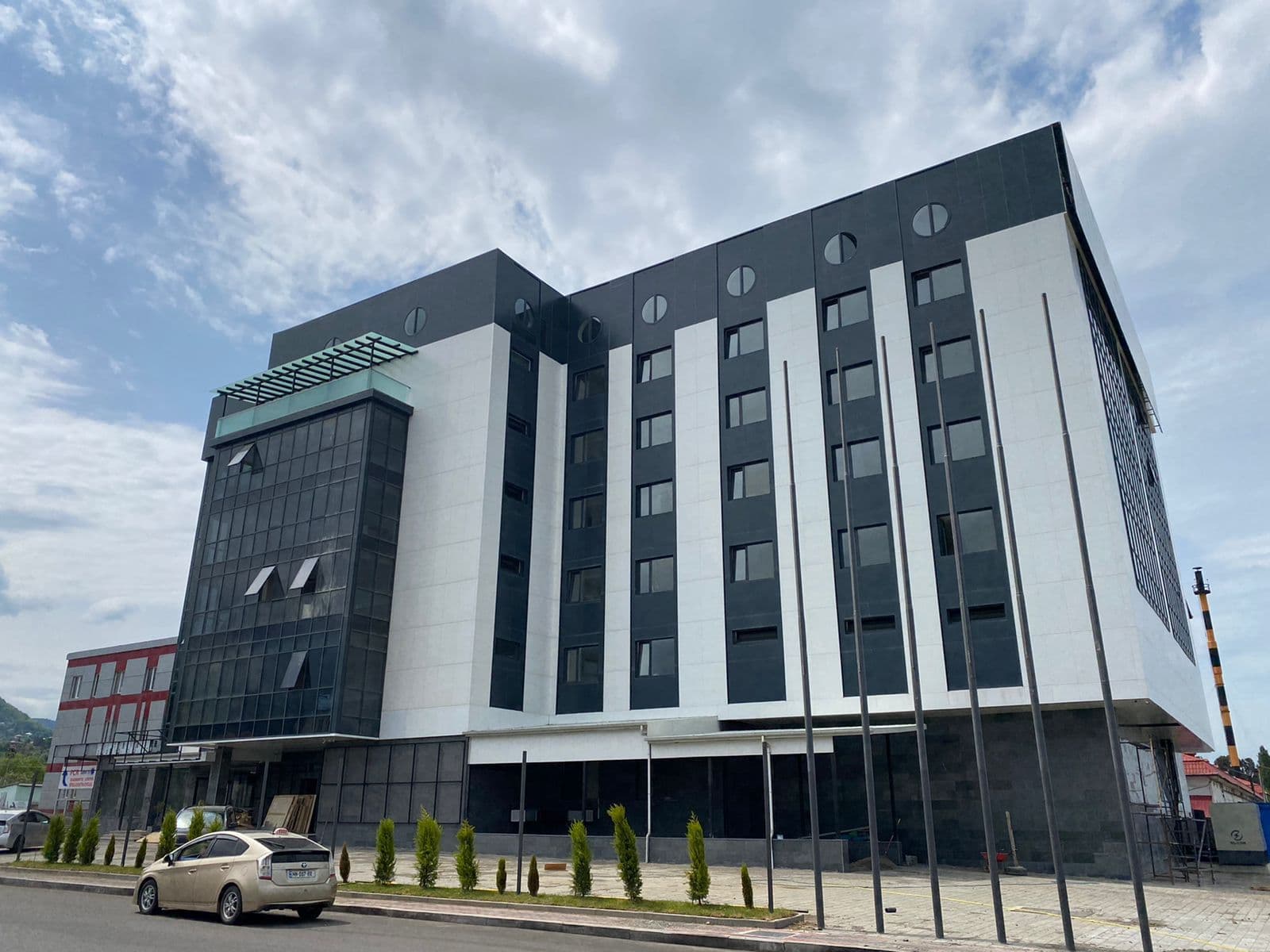
HIGH ACCEPTANCEHigh University Acceptance, Flexible Age Limits, & Gap Tolerance
Georgia universities are renowned for their student-friendly admission policies, welcoming applicants from diverse academic backgrounds:
Long Academic Gap Acceptance: Universities in Georgia readily accept academic gaps of 8 to 10 years, provided you present a valid reason (such as job experience, business involvement, or alternative training).
Flexible Age Criteria: Students aged 25 and below can comfortably apply for Bachelor's programs, while applicants aged 29 and below are accepted for Master's degrees.
Bologna Process & European Recognition: Georgia's higher education system is part of the Bologna Process. This means your credits and degrees follow European Credit Transfer and Accumulation System (ECTS) standards, making your qualification recognized across Europe for further studies or career growth.
Fast Processing: The total admission and student visa workflow is swift, usually taking around 3 months from application to arrival.
What is the Bologna Process?
The Bologna Process is an intergovernmental agreement among European nations to ensure higher education degrees across member countries are comparable, compatible, and internationally recognized. A degree earned in Georgia opens doors for credit transfers and further education throughout Europe.
Work While Studying
20 Hrs per week (eligible)
European Exposure
EU Network
EASY PROCESSEasy & Hassle-Free Document Process for Nepali Students
Applying to study in Georgia is one of the most streamlined and transparent processes available for Nepali applicants. The entire procedure is straightforward and free of tedious bureaucracy:
Document Translation: All your academic certificates, citizenship, and supporting papers must simply be translated and officially notarized.
No Complex Audits: Unlike strict Western embassies, Georgia universities and immigration authorities do not demand complex Chartered Accountant (CA) property valuations or extensive bank audits.
Fast Admission Turnaround: Admission offer letters are issued quickly once the university completes your initial screening.
Manageable Financial Requirement: Sufficient bank balance covering your initial tuition and living allowance is typically sufficient.

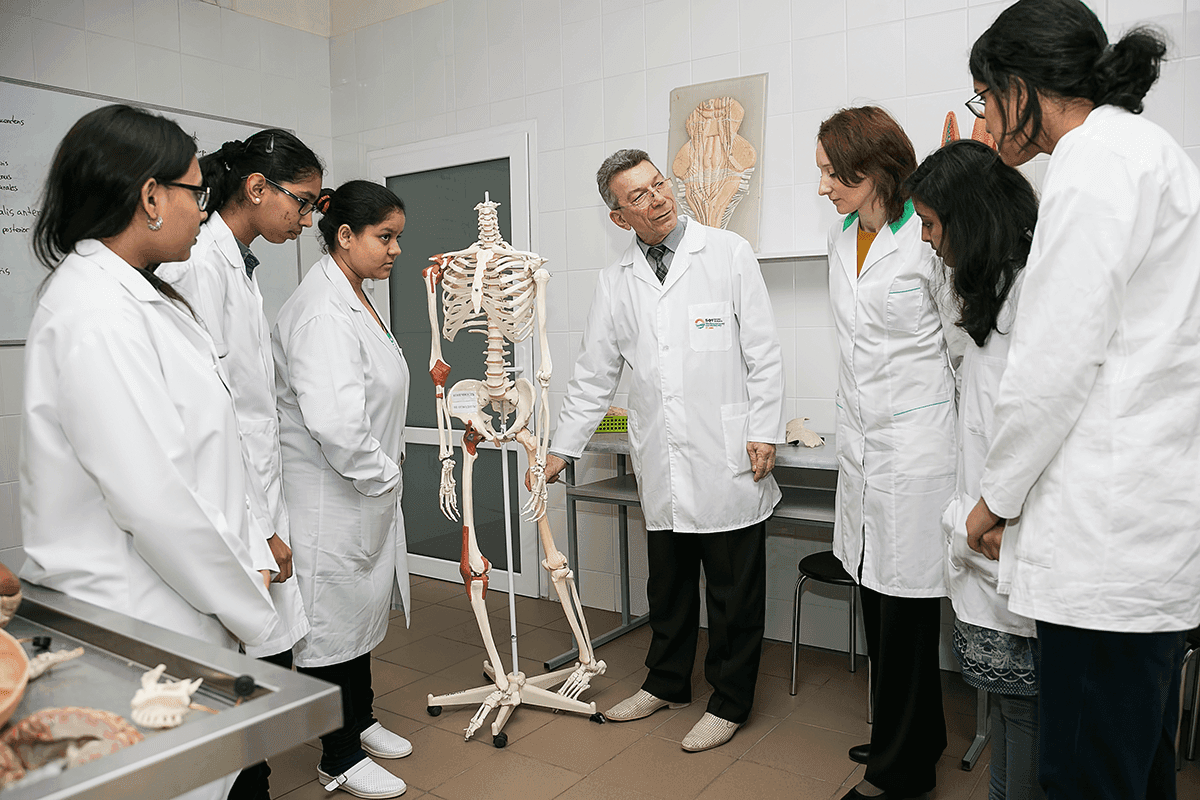
MEDICAL COURSESPopular Medical Courses in Georgia for Nepali Students
Georgia is one of the premier global hubs for international students seeking internationally recognized, affordable healthcare qualifications. All top Georgia medical universities are listed in the World Directory of Medical Schools (WDOMS), registered with the World Health Organization (WHO), and fully recognized by the Nepal Medical Council (NMC).
Key Medical & Healthcare Programs:
MD / MBBS (General Medicine): 6-Year program taught 100% in English with comprehensive clinical rotations in modern hospitals.
Dentistry (BDS / DMD): 5-Year hands-on dental surgery program with state-of-the-art dental clinical facilities.
Pharmacy: 4-Year Bachelor of Pharmacy covering modern therapeutics and pharmaceutical analysis.
Nursing & Healthcare Management: Bachelor's and Master's programs providing direct paths into international clinical and hospital management environments.
Affordable Medical Tuition
Medical degrees in Georgia cost a fraction of private medical colleges in Nepal, India, or Western Europe—with annual tuition typically ranging between $4,500 and $7,500 USD per year.
Global Licensing Eligibility
Graduates are eligible to sit for screening exams worldwide, including the NMC Licensing Examination in Nepal, USMLE (USA), PLAB / MLA (UK), and AMC (Australia).

CAREER & RESIDENCEStay-Back and Career Options in Georgia for Nepali Students
Post-Study Work & Temporary Residence Extension: Graduates who secure employment or register a business in Georgia can extend their Temporary Residence Permit (TRP) into a Work/Business Residence Permit.
Pathways to European Careers: Since degrees follow ECTS standards under the Bologna Process, graduates can easily apply for credit transfers, Master's, or Ph.D. programs across Schengen countries.
Emerging Local Job Market: Major cities like Tbilisi have thriving markets in Information Technology, Software Development, Hospitality & Tourism Management, and Business Services.
Part-Time Work Opportunities: International students with valid study residence permits can work part-time during term time in customer support, hospitality, tutoring, or tech roles to gain experience and earn pocket money.
Popular Courses in Georgia
Explore the most sought-after programs that offer excellent career prospects and high-quality training.
MBBS & Medicine
Business Administration
Computer Science & IT
Dentistry & Dental Surgery
Pharmacy & Health
Tourism & Hospitality
Georgia Student Visa (D3) Step-by-Step Process for Nepali Students
Step-by-Step Pathway
Applying for a Georgian D3 Study Visa is simple when following official government steps:
Get University Admission: Duration: 2 to 3 weeks. Submit your academic documents, passport, MOI/IELTS certificate, and recorded English video presentation to your chosen Georgian university to secure your official Admission Letter.
Receive Ministry Order Approval: Duration: 2 to 4 weeks. The university submits your documents to the Ministry of Education and Science of Georgia. The Ministry issues an official decree approving your student registration.
Complete Online E-Visa Application: Duration: 1 week. Fill out the electronic visa application form on the official Georgian Consular Portal, upload your scanned PDF documents, pay the visa fee (~$20 USD), and print the signed confirmation page.
Submit via VFS Global Kathmandu: Duration: 2 to 3 weeks processing. Lodge your physical document file, biometric photo, passport, and VFS fee receipt at the VFS Global Georgia Visa Application Centre in Kathmandu.
Travel & Obtain Residence Permit (TRP): Within 60 days of arrival. Travel to Georgia using your D3 entry visa. Within 60 days of arrival, visit a local Georgian Public Service Hall (Justice Building) to apply for your biometric Temporary Residence Permit for studies.
Major Intake Periods for Universities in Georgia
Key Admission Windows
Georgian higher educational institutions offer two primary admission windows:
AUTUMN SEMESTERSeptember Intake
This is the primary intake for all academic fields, including Medical (MBBS), Engineering, IT, and Business courses. Applications generally open in May and close by August.
SPRING SEMESTERMarch Intake
Ideal for students who missed the autumn deadline or required extra time for document processing. Applications open in November and close by January/February.
* Note: University deadlines vary. We recommend initiating your application process 3 to 4 months in advance of your targeted intake.
Georgia University Admission and Visa Document Checklist for Nepali Students
Essential Admission Documents for Georgian Universities
University Application Checklist
- Duly filled Georgian University Admission Application Form
- Passport Copy (Color scan of front and back pages)
- Academic Transcripts & Certificates (Grade 10 & +2 / Bachelor's)
- Valid English Proficiency Test Scorecard (IELTS, PTE, TOEFL, or Cambridge English) — Note: MOI is no longer accepted under Decree No. 435
- Short Recorded Video Presentation in English
- MECEE Scorecard (Mandatory ONLY for MBBS, Dentistry, Nursing, and Pharmacy applicants)
- Citizenship Card Copy (Front & Back)
- Digital MRP Size Photo (White Background)
- Updated Curriculum Vitae (CV) & Statement of Purpose (SOP)
- Institutional Entrance Assessment (Online grammar test and short interview conducted by the university)
Georgia Study Visa (D3 Visa) & Immigration Documents Checklist
D3 Visa & VFS Requirements
All documents must be clear, English-translated copies, presented at the consular appointment and uploaded in PDF format:
- Passport Copy: Minimum 1-year validity with blank pages
- University Admission Letter: Issued by the Georgian university
- Ministry Order: Decree from the Ministry of Education and Science of Georgia approving enrollment
- University Accreditation Proof: Order certifying the university's accreditation and list of English-taught faculties.
- Flight Ticket Reservation: Confirmed round-trip flight booking itinerary.
- Travel & Health Insurance: Policy covering emergency medical accidents up to a minimum of 30,000 GEL for the duration of stay.
- Proof of Financial Support: Bank balance certificate showing a minimum NPR 8 Lakhs (held for 1 day) and a 6-month bank statement.
- Sponsorship & Ward Documents: Sponsor Affidavit and Relation Verification Certificate from Nepal (If under 18, legalized parental consent letter and parents' financial proof are required).
- Proof of Accommodation: University dormitory letter or private residential lease agreement in Georgia.
- Biometric Photo: 1 recent passport-size photo uploaded to the e-visa system.
- Visa Fee Payment Receipt: Payment receipt of $20 USD (equivalent to ~75 AED), clearly reflecting the applicant's full name and transaction details.
- Signed E-Visa Application Form: Online e-application filled, printed, signed on the last page, and uploaded back into the system.
Study in Georgia from Nepal: Frequently Asked Questions (FAQs)
Still Have Questions?
Our expert counselors are ready to help you navigate your journey to Georgia. Get personalized advice today.