
Study in UAE
from Nepal: A Complete Guide 2026-27
UAE and Dubai has quickly become one of the most exciting and practical study-abroad destinations for Nepali students. With world-class universities, a booming economy, and a hassle-free visa process, it offers a perfect blend of high-quality education and fast-tracked career growth. If you are a Nepali student planning your higher education, here is your complete, step-by-step guide to studying in Dubai for the 2026-27 academic year.



5 Incredible Reasons to Study in Dubai
Why are thousands of Nepali students choosing the UAE over traditional destinations? Here are the top five reasons:
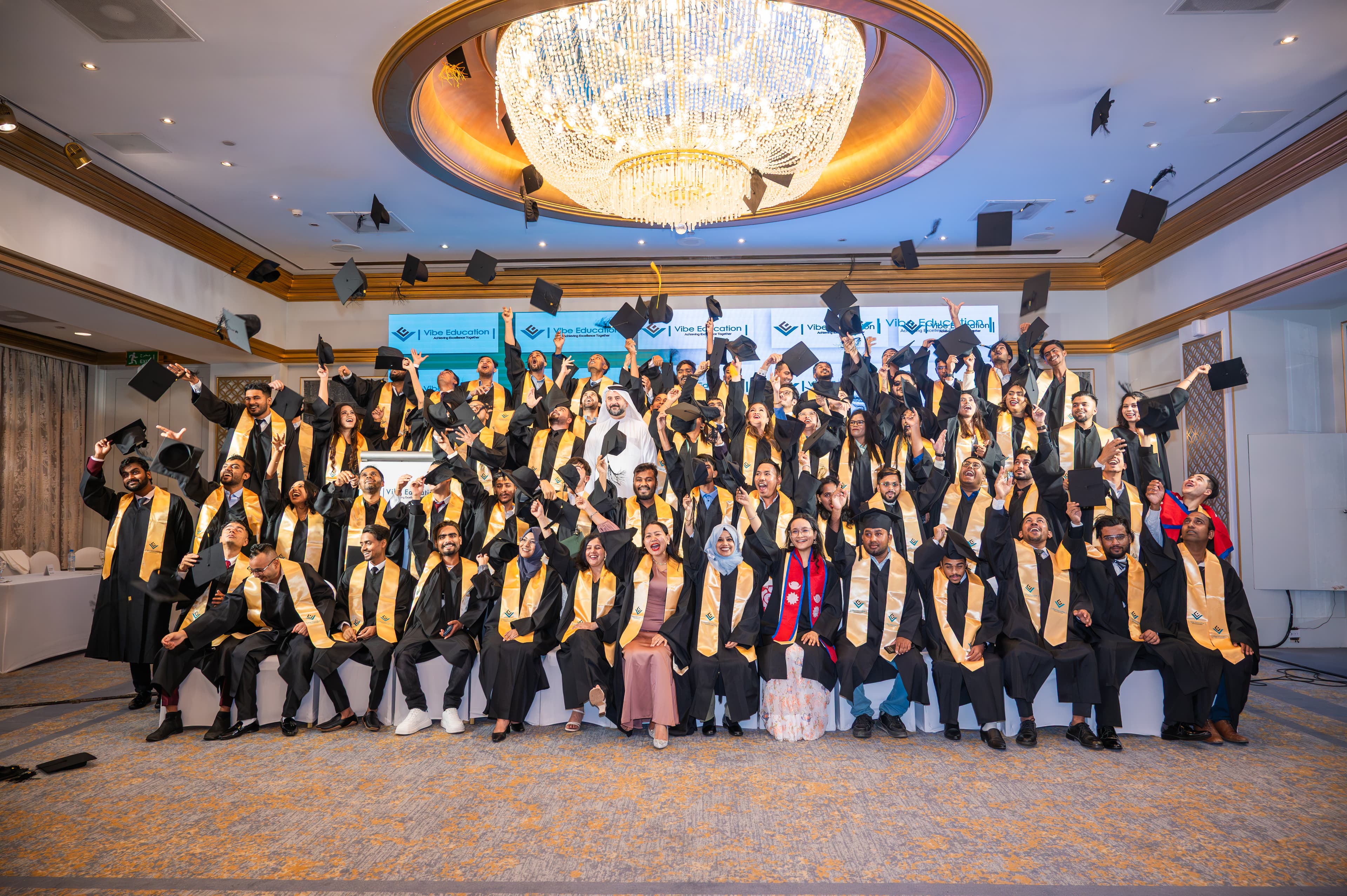
WORLD-CLASS EDUCATIONWorld-Class Education & Globally Recognized Degrees
Dubai has emerged as a premier global education hub, housing famous branch campuses of top-tier British and Australian universities like University of Birmingham, Heriot-Watt University, Middlesex University, University of Wollongong, and Murdoch University.
Students can gain the exact same internationally recognized degree issued by the parent universities in the UK or Australia, but at a significantly lower total cost of living and study. This setup bridges world-class quality education with financial accessibility for international students, including those from Nepal. The education system here is strictly monitored by the government to ensure international students get the highest quality of learning.
Academic Pathways in Dubai
Depending on your career goals and budget, you have two main academic pathways in Dubai:
Vocational Schools (KHDA Approved): These institutions focus on practical, job-ready skills in areas like hospitality, digital marketing, IT, and culinary arts. They offer fast-track diplomas and certificates that lead directly to employment in the UAE's booming service and corporate sectors.
Universities (KHDA & CAA Approved): Full-fledged universities offering Bachelor's and Master's degrees across disciplines such as engineering, business administration, computer science, and healthcare. Many are branch campuses of prestigious international universities, allowing students to earn globally accredited degrees while studying in Dubai.
What is KHDA (Knowledge and Human Development Authority)?
The Knowledge and Human Development Authority (KHDA) is the educational quality assurance and regulatory authority of the Government of Dubai. It oversees the quality of private education, ensuring that all schools, colleges, and training institutes meet strict international standards.
What is CAA (Commission for Academic Accreditation)?
The Commission for Academic Accreditation (CAA) is the federal quality assurance agency for higher education in the United Arab Emirates, operating under the Ministry of Education. It accredits degree programs and licenses higher education institutions across the UAE, guaranteeing that your qualification is nationally recognized and universally accepted.
Academic & English Requirements
General academic and language eligibility criteria for studying in Dubai:
*MOI (Medium of Instruction): If your previous degree was taught entirely in English, several universities in Dubai offer English test waivers upon submission of an official MOI letter.
VISA SUCCESSHigh Visa Success Rate (>95%) & Fast Approval
For many Nepali students, visa rejection from countries like the US, Canada, Australia, or the UK is a major setback. Dubai offers a welcome relief with an exceptional student visa success rate exceeding 95%. The entire visa procedure is smooth, transparent, and usually takes only 10 to 15 working days to approve. There is no embassy interview, eliminating one of the biggest stress points for applicants.
Why the UAE Student Visa Process is So Reliable:
Direct University Sponsorship: Unlike other nations where immigration officers make subjective decisions, in Dubai, the university itself sponsors your student visa. Once you receive your admission offer letter and pay the initial fee deposit, the institution applies for your entry permit directly through the UAE immigration authority (GDRFA or ICP).
Simple Documentation: You do not need to produce complicated property valuation reports, years of tax clearance records, or elaborate Chartered Accountant (CA) audits. The financial and personal documentation requirements are straightforward and transparent.
Clear Purpose of Entry: The UAE actively encourages international talent to study and live in the Emirates. As long as you are genuinely enrolling in an approved program, the government facilitates your entry with minimal bureaucratic obstacles.
Clean Record Clearance: As long as you submit a genuine Police Clearance Certificate (PCC) with appropriate attestation and pass the standard medical fitness screening upon arrival, visa issuance is nearly guaranteed.
Bottom Line
If you have an admission offer from an accredited university and a clean police record, getting your Dubai student visa is virtually guaranteed.

OPPORTUNITIESCareer Opportunities in a Global Business Hub
Dubai is a global economic powerhouse and a world center for commerce, tourism, finance, aviation, and tech. With the Dubai Economic Agenda (D33) aiming to double the size of the emirate's economy and generate over AED 100 billion ($27 billion+ USD) in annual economic output, the demand for skilled international graduates is at an all-time high.
Abundant Internships & Post-Study Work
Students can take on part-time jobs and corporate internships during their studies, gaining invaluable international resume experience. Upon graduation, transitioning into full-time employment is seamless—the UAE provides multiple post-study career avenues, including the Green Visa (5-year self-residency for skilled graduates) and standard employment visas sponsored by employers.
Multicultural Networking
With over 200 nationalities living and working in Dubai, your university cohort and professional network will span the globe, opening international doors that few other study destinations can match.
Entrepreneurship Support
Dubai is the startup capital of the Middle East. If you have a business idea, the UAE offers student-friendly incubation centers, low-cost freelancer permits, and direct access to venture capital.
Work While Studying
Part-Time & Internships
Green / Work Visa
5 Years / Renewable
AFFORDABILITYAffordable Tuition Fees & Flexible Installment Plans
Contrary to common perception, studying in Dubai is surprisingly cost-effective compared to traditional study destinations like the UK, USA, Australia, or Canada. With reasonable annual tuition fees, flexible installment plans, and generous merit scholarships, quality higher education in the UAE is accessible for Nepali families.
Key Financial Advantages in Dubai:
Flexible Installment Plans: Most universities allow you to pay your tuition in easy quarterly or semester installments rather than requiring full upfront annual fees, significantly easing financial pressure on parents.
Merit & Early-Bird Scholarships: International students with strong academic records (+2 or Bachelor's) can qualify for tuition fee waivers ranging from 10% to 50%.
Tax-Free Earnings: Any income earned through part-time work, internships, or post-study employment is 100% tax-free, allowing students to maximize savings.
No Hidden Costs: Transparent fee structures mean no surprise administrative charges throughout your degree.

Estimated Tuition Fees in Dubai
Tuition fees vary based on the institution type, program level, and whether it is a vocational institute or an international university campus:
Estimated Monthly Living Expenses in Dubai for Nepali Students
Living costs for international students sharing accommodation in student-friendly neighborhoods (such as International City, Al Nahda, or Silicon Oasis):
Note: Living costs vary depending on personal lifestyle and accommodation choices (e.g., student residence vs. private studio).

EASY DOCUMENTATIONEasy Documentation & Hassle-Free Visa Process
One of the greatest advantages of studying in Dubai is the straightforward documentation requirement. Unlike Western destinations that demand exhausting paperwork and bureaucratic verification, the Dubai visa process is streamlined, clear, and transparent.
What You DON'T Need (Hassle-Free Advantages):
Simple Step-by-Step Dubai Visa Process:
1. University Admission Offer: Submit your academic transcripts (+2 or Bachelor's) and passport to receive an official admission offer from your chosen Dubai institution.
2. Fee Deposit & Visa Application: Pay your initial tuition installment. The university initiates your entry permit application directly through the UAE immigration portal (GDRFA/ICP).
3. Entry Permit Issuance: Your electronic Entry Permit is typically issued within 10 to 15 working days without embassy visits or interviews.
4. Arrival & Emirates ID: Fly to Dubai, complete routine medical fitness tests, and receive your official UAE Resident Emirates ID valid for the duration of your study program.
Popular Courses in Dubai
Nepali students frequently choose these highly sought-after programs due to their strong career prospects in the region:
Aircraft Maintenance Engineering (AME)
Engineering (Civil, Mechanical, Electrical)
Business Administration (BBA/MBA)
Hotel Management & Tourism
Fashion Design
Information Technology
Stay-Back and Career Options in Dubai for Nepali Students
Smooth Work Visa Transition
After graduation, students who secure full-time employment can easily transition from a Student Visa to an official UAE Employer-Sponsored Residence Visa. Exceptional graduates may also apply for the 5-Year UAE Golden Visa.
Access to Global Brands
Dubai is a major hub for global business, technology, and finance. MAHE Dubai’s career services connect students directly with multinational companies located in Dubai Internet City, Media City, and DIFC for corporate internships and graduate placement programs.
Thriving Job Market
High demand across fast-growing sectors including Information Technology, Software Engineering, Digital Marketing, Supply Chain & Logistics, Healthcare Sciences, and Hospitality Management.
Legal Part-Time Work
International students holding a valid UAE student residence permit can work part-time or complete paid corporate internships during term-time with approval from the university and the Ministry of Human Resources and Emiratisation (MOHRE).
Dubai Student Visa Process for Nepali Students
Step-by-Step Process
The UAE student visa route is one of the smoothest in the world. You do not file the visa yourself; your university processes it for you. Here is exactly how it works:
Apply to a UAE university: Get an unconditional offer.Apply to a UAE-licensed university or branch campus. Once accepted, you will receive a firm, unconditional admission letter for your chosen program and intake.
Pay the tuition deposit: Activates your visa file.Paying your initial fee deposit allows the university to officially act as your visa sponsor and open the entry-permit application on your behalf.
Submit visa documentsProvide your passport copy, recent photos, attested academic transcripts, and basic proof of funds to your university’s admissions or student-visa office.
Receive the entry permit (e-visa): Takes 2-4 weeks.The university applies to the GDRFA (in Dubai) or ICP. Once approved, you will receive an electronic entry permit which allows you to legally travel to the UAE.
Complete the medical fitness testShortly after arriving in Dubai, you must undergo a mandatory blood test and chest X-ray at a government-approved health center to prove medical fitness.
Apply for the Emirates IDYou will visit a center to submit your biometrics (fingerprints and photo). The Emirates ID is a mandatory identity card for all residents.
Get the residence visa stampedOnce your medical test and Emirates ID are cleared, the actual student residence visa is issued and stamped into your passport (or issued electronically).
Stay enrolled and renew annuallyYour student visa is generally valid for one year. As long as you maintain good academic standing, your university will help you renew it annually until you graduate.
Major Intake Periods for Universities in Dubai
Key Admission Windows
It is highly recommended to start your application process 3 to 4 months in advance of your target intake.
September
⭐ Major IntakeThe largest intake. Offers the widest range of undergraduate and postgraduate programs, plus the most scholarship opportunities.
January / February
Secondary IntakeA great alternative for selected programs if you miss the September deadlines.
May
Limited IntakeMostly for language courses, foundation studies, or very specific technical programs.
Recommendation: University deadlines vary. We recommend initiating your application process 3 to 4 months in advance of your targeted intake.
Document Checklist for Nepali Students
Keep these documents ready and neatly organized.
Essential Admission Documents for UAE Universities
- SEE/SLC Certificate and Marksheet
- +2 Transcript, Provisional, and Character Certificate
- Bachelor’s Degree Transcripts and Certificate (for Master’s applicants)
- Valid Passport
- Passport-size photos (white background)
- Citizenship Certificate (if requested by the university)
UAE Student Visa Documents
Visa Document Checklist
- Valid Passport: Clear color copy; must have at least 6 months of validity remaining.
- Recent Photo: Recent color photograph with a white background.
- Admission Letter: Proof of unconditional admission from the educational institution.
- Enrollment Certificate: Document specifying the exact duration of your study.
- Entry Permit: Issued through your sponsoring university before you fly.
- Medical Certificate: Completed in Dubai; approved by UAE health authorities.
- Health Insurance: Valid UAE health insurance (often arranged by the university).
- Emirates ID Receipt: Required as part of the residence-permit process.
Reasons to choose BrightPathfor Study in Dubai
Expert counselors, seamless visa processing, and end-to-end guidance ensure every Nepali student's successful journey abroad.
Strong career foundation
Providing personalized profile analysis and university shortlisting that prepare students for international exposure and long-term career success.
Students' Choice


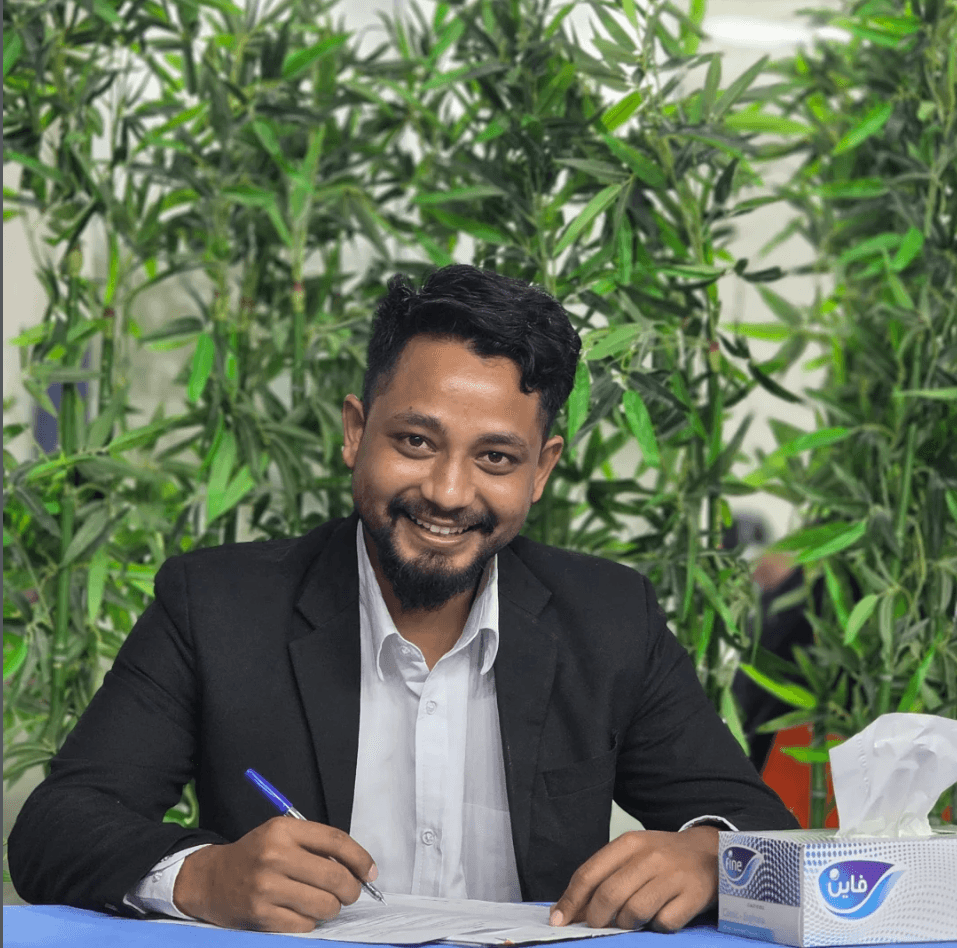
Sanju, Kiran, Pabin and hundreds of Nepali students have already achieved their dream to Study in Dubai at various Government Approved Colleges & Universities through BrightPath—and you could be the next!
Focus on values
We operate with integrity, transparency, and responsibility to guide students toward a stress-free admission process and lifelong global excellence.
Frequently Asked Questions: Studying in UAE from Nepal
Still Have Questions?
Our expert counselors are ready to help you navigate your journey to UAE. Get personalized advice today.