
Study in Germany
from Nepal: A Complete Guide 2026-27
Germany stands as Europe’s industrial powerhouse and one of the best global study destinations for international students. Renowned for its world-class engineering, pioneering research, and largely tuition-free education at public universities, studying in Germany from Nepal provides unparalleled academic value and long-term career prospects. With a strong commitment to retaining international talent, the country actively supports skilled graduates in integrating into its robust workforce.
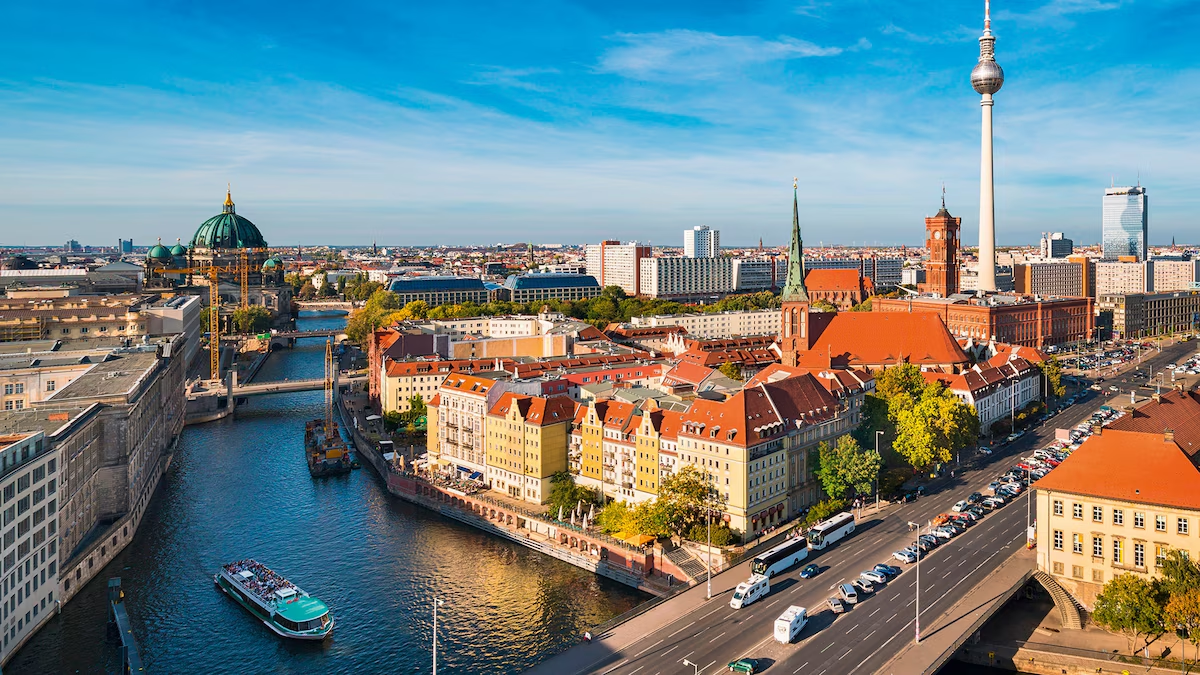
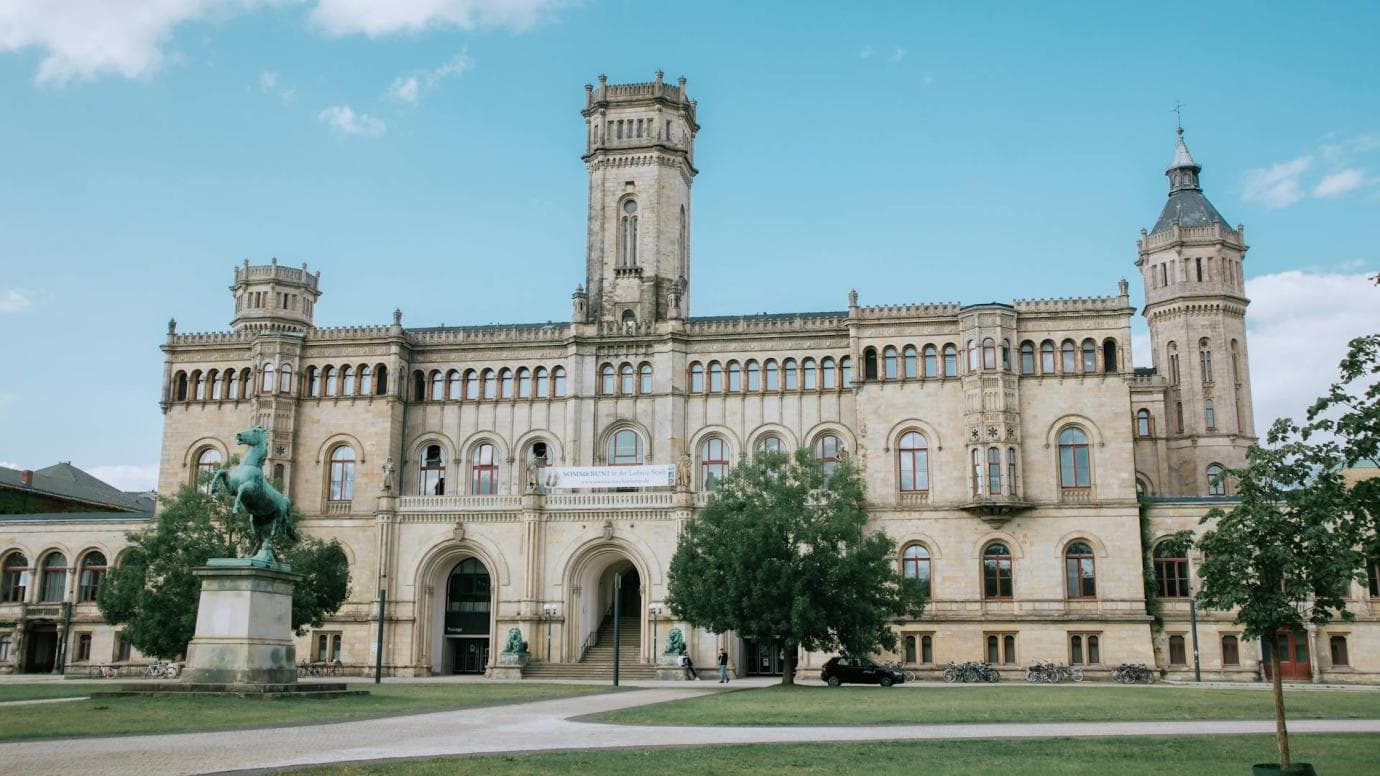

Top 5 Reasons Why Nepali Students Choose to Study in Germany
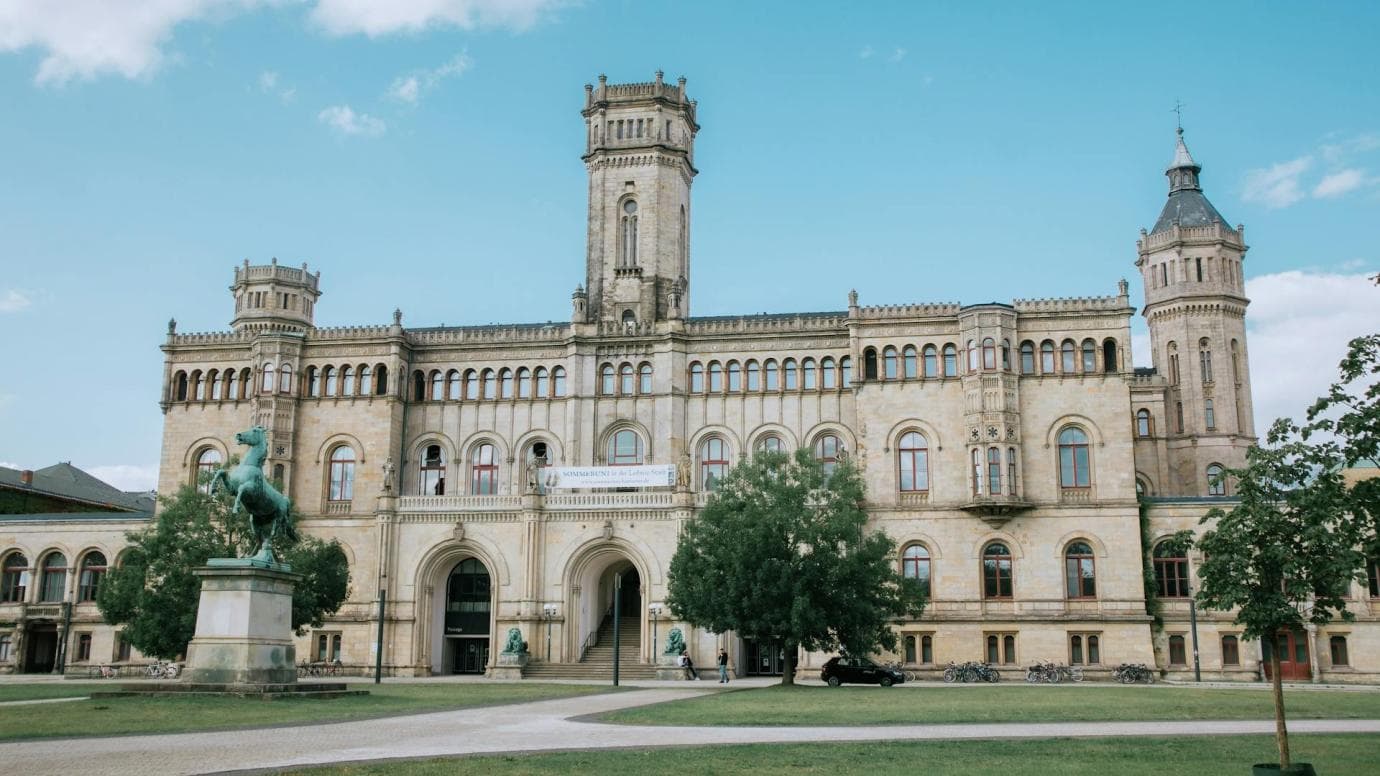
TUITION-FREE EDUCATIONZero Tuition Fees at Public Universities
The vast majority of state-funded public universities in Germany do not charge tuition fees for domestic or international bachelor’s and master’s students.
Minimal Semester Contributions
Instead of exorbitant tuition, students only pay a nominal semester contribution (usually between €150 and €300) that typically covers administrative costs and a public transport ticket (Semesterticket).
Unbeatable ROI
This unique model allows Nepali students to attain globally recognized degrees from top-tier European institutions without accumulating massive student debt.
Equal Opportunities
Education is viewed as a public good in Germany, ensuring international students receive the exact same high-quality academic resources as German citizens.
ENGINEERING & IT HUBThe Heartland of Automotive and Technological Innovation
Germany is globally synonymous with precision engineering, manufacturing excellence, and cutting-edge technological advancement.
Industry Integration
Universities maintain deep partnerships with global giants like Volkswagen, Siemens, BMW, and SAP, integrating practical industrial training and apprenticeships directly into the academic curriculum.
Research Leadership
Students benefit from heavily funded research laboratories and institutes (like Max Planck and Fraunhofer), ideal for STEM students seeking hands-on innovation experience.
High-Demand Sectors
For Nepali students pursuing mechanical engineering, automotive design, artificial intelligence, or renewable energy, Germany offers the most dynamic and practical learning environment in Europe.


AUSBILDUNG OPPORTUNITYEarn While You Learn Through Paid Vocational Training
For Nepali students seeking hands-on experience rather than a traditional academic degree, Germany’s renowned dual vocational training system (Ausbildung) is a highly attractive alternative.
Paid Apprenticeships
Students split their time between a vocational school (learning theory) and a host company (gaining practical skills), receiving a monthly trainee salary (typically €700 to €1,200) from day one.
Direct Industry Entry
Available in over 300 fields—including Nursing, IT, Hospitality, and Mechatronics—this pathway trains you precisely for what the German job market desperately needs.
Guaranteed Employability
Most host companies hire their apprentices full-time immediately upon graduation, providing a secure route into the German workforce and a clear pathway toward Permanent Residency. (Note: A B1 or B2 level of German language proficiency is strictly required to qualify).
Work While Studying
140 Full Days or 280 half days/yr
Job Seeker Permit
18 Months
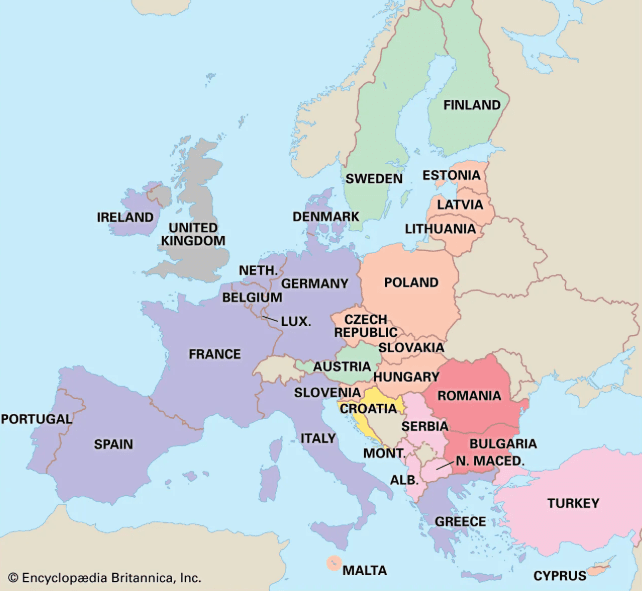
EU ACCESSBorderless Travel Across 29 Schengen Area Countries
Holding a German National Type D (Long-Stay) Student Visa—which converts into a German Residence Permit—grants Nepali students border-free access to the entire Schengen Area.
Travel Freedom
Once you arrive in Germany, you can travel across 29 European countries (including France, Italy, Switzerland, Spain, the Netherlands, and Austria) without applying for separate tourist visas.
Global Academic Exposure
Students can easily attend international academic conferences, participate in university exchange programs (like Erasmus) across Europe, or take short-term training courses in neighboring EU countries.
Networking & Career Building
Being inside the Schengen Area makes attending European educational expos, corporate seminars, and networking events effortless, giving Nepali students a massive edge when seeking post-graduation employment across Europe.
POST-STUDY WORK18-Month Job Seeker Visa for Graduates
Germany actively wants to retain international talent to combat its skilled labor shortage, offering one of the most generous post-study work policies in Europe.
Extended Job Search
Upon graduation, Nepali students can apply for an 18-month residence permit specifically designed to allow them to search for a professional job related to their field of study.
Unrestricted Work Rights
During this 18-month period, graduates can work full-time in any occupation to support themselves while seeking career-track employment.
Pathway to Permanent Residency (PR)
Securing a professional job often leads to an EU Blue Card, which significantly accelerates the timeline to achieve German Permanent Settlement (Niederlassungserlaubnis).
Proof of English Proficiency in Germany
To study in Germany, you'll need an eligible English language proficiency test score from within the past three years. Accepted tests and score requirements vary by course and institution, so check your course language requirements closely.
The most widely-accepted English language proficiency tests in Germany include:
Popular Courses in Germany for Nepali Students
Explore the most sought-after programs that offer excellent career prospects, tuition-free options, and world-class practical training.
Mechanical, Automotive & Industrial Engineering
Computer Science, IT, Artificial Intelligence & Data Science
Business Administration, International Management & MBA
Healthcare, Nursing & Biomedical Sciences
Renewable Energy, Sustainable Tech & Environmental Engineering
Electrical Engineering, Mechatronics & Automation
Why These Courses Matter in Germany
Germany is Europe’s industrial and technological powerhouse. German public universities and Universities of Applied Sciences (Fachhochschulen) offer a diverse range of accredited undergraduate, postgraduate, and dual-vocational (Ausbildung) programs—many of which are taught entirely in English. These courses are directly aligned with Germany’s massive industrial sectors and acute labor market shortages, making them the most practical choices for international students seeking long-term global careers.
1. Mechanical, Automotive & Industrial Engineering
Why Study It in Germany
Germany is the undisputed global leader in precision engineering and automotive manufacturing—home to iconic brands like BMW, Mercedes-Benz, Audi, Porsche, and Siemens. Studying engineering here places you at the center of Industry 4.0 and advanced manufacturing.
Popular Programs
- BSc / MSc in Mechanical Engineering
- MSc in Automotive Engineering & Sustainable Mobility
- BSc / MSc in Industrial Engineering & Management
Career Advantage: Direct access to university-sponsored internships, practical semester projects with global industrial conglomerates, and immediate demand for qualified engineers across German state industries.
2. Computer Science, IT, Artificial Intelligence & Data Science
Why Study It in Germany
Major German economic hubs like Berlin, Munich, and Frankfurt are rapidly growing tech innovation hubs. Facing a severe shortage of IT professionals, Germany offers numerous English-taught technology degrees with flexible entry options.
Popular Programs
- BSc / MSc in Computer Science
- MSc in Artificial Intelligence & Machine Learning
- MSc in Data Science, Cybersecurity & Cloud Computing
Career Advantage: IT fields carry reduced salary thresholds for the EU Blue Card, offering Nepali software developers and data analysts the fastest pathway to job placement and Permanent Residency (PR).
3. Business Administration, International Management & MBA
Why Study It in Germany
As Europe’s largest economy and the financial heart of the EU (Frankfurt), Germany provides an ideal backdrop for studying global business, finance, and supply chain management.
Popular Programs
- Bachelor of Business Administration (BBA)
- MSc in International Business & Management
- MBA (Master of Business Administration) / Supply Chain & Logistics
Career Advantage: Graduates gain strong corporate placement opportunities across multinational headquarters, export-driven firms, and thriving European tech startups.
4. Healthcare, Nursing & Biomedical Sciences
Why Study It in Germany
Germany faces a critical, long-term shortage of healthcare professionals and qualified care staff. Students can choose between traditional university degrees or paid dual-vocational training (Ausbildung) routes in healthcare.
Popular Programs
- BSc / MSc in Biomedical Engineering & Medical Technology
- Nursing & Healthcare Management (Ausbildung & University Degree)
- MSc in Public Health & Medical Informatics
Career Advantage: Near 100% job placement rate upon graduation, state-backed career stability, and immediate entry into Germany’s highly funded medical and care networks.
5. Renewable Energy, Sustainable Tech & Environmental Engineering
Why Study It in Germany
Germany is a global pioneer in green tech and clean energy policy (Energiewende). Technical universities offer cutting-edge research in solar, wind, hydrogen, and sustainable urban infrastructure.
Popular Programs
- MSc in Renewable Energy Systems & Clean Tech
- MSc in Environmental Engineering & Resource Management
- BSc / MSc in Sustainable Architecture & Smart Cities
Career Advantage: High demand for sustainability experts across European government initiatives, green energy firms, and international environmental consultancies.
6. Electrical Engineering, Mechatronics & Automation
Why Study It in Germany
Combining mechanical, electronic, and software engineering, mechatronics is the backbone of German industrial automation, robotics, and smart factory design.
Popular Programs
- BSc / MSc in Electrical Engineering & Information Technology
- BSc / MSc in Mechatronics & Robotics
- MSc in Embedded Systems & Automation
Career Advantage: High-paying graduate roles in robotics, microelectronics, power distribution, and automated manufacturing across Germany and the wider European Union.
Germany Popular Courses & Industry Advantage
Germany Study Visa Entry Requirements for Nepali Students
Mandatory Criteria
DOCUMENTATIONValid Passport and Academic Qualifications
Nepali students must provide a valid passport (with at least 12 months validity) along with certified academic transcripts, such as NEB +2 mark sheets, provisional certificates, or Bachelor's degree certificates, translated and verified to meet German higher education standards.
CREDENTIAL VERIFICATIONMandatory APS Certificate (Akademische Prüfstelle)
Nepali students must undergo the mandatory Academic Evaluation Centre (APS) verification process. The APS certificate authenticates your educational background and transcripts, serving as a strict, non-negotiable prerequisite for both university applications and your German National Student Visa (Type D).
ADMISSIONUniversity Admission Letter (Zulassungsbescheid)
To proceed with your visa application, you must secure an official letter of admission (Zulassungsbescheid) or a conditional offer letter confirming your acceptance into a recognized public or private university in Germany.
FINANCIAL PROOFBlocked Account (Sperrkonto) – €11,904
To demonstrate financial capability, international students must open a German Blocked Account (via providers like Expatrio or Fintiba). You are required to deposit €11,904 (allowing a restricted monthly withdrawal of €992) to cover your first-year living expenses in Europe.
LANGUAGE PROFICIENCYGerman (B1/B2) or English (IELTS 6.0+) Proof
Depending on your chosen curriculum, you must prove your language proficiency. German-taught programs generally require B1 or B2 Goethe-Zertifikat certification, while English-taught programs demand a minimum IELTS score of 6.0 (or equivalent PTE/TOEFL scores).
HEALTH INSURANCEMandatory Health Insurance (Krankenversicherung)
Comprehensive health insurance coverage is compulsory for all international students in Germany. You must provide proof of German statutory health insurance (or an approved private travel/study insurance policy) for your visa application and university registration.
ACADEMIC INTENT & STATEMENT OF PURPOSEMotivation Letter & Tabular CV
The German Embassy requires a well-structured Statement of Purpose (Motivation Letter) explaining your academic choice, career objectives, and reasons for choosing Germany, accompanied by an up-to-date European-standard tabular CV.
GOVERNMENT PERMIT (NEPAL)Ministry of Education NOC (No Objection Certificate)
Nepali students must obtain a No Objection Certificate (NOC) from the Ministry of Education, Science and Technology (MOEST) in Nepal to legally transfer funds to your German Blocked Account and purchase foreign currency.
Major University Intake Periods in Germany
Key Admission Windows
WINTER SEMESTEROctober Main Intake
The October Winter Semester is the primary admission window in Germany. It offers the largest selection of English-taught Master's and Bachelor's programs, scholarships, and engineering courses highly sought after by Nepali applicants.
SUMMER SEMESTERApril Secondary Intake
The April Summer Semester serves as a secondary intake. While it features fewer overall course options compared to Winter, it remains an excellent opportunity for students applying to specific STEM, IT, or business management programs.
* Note: Application deadlines via Uni-Assist or direct university portals vary significantly. We strongly recommend initiating your application process 4 to 6 months in advance.
Germany Student Visa & University Document Checklist for Nepali Students
Essential Admission & APS Documents for German Universities
Gathering the correct documentation is the most critical step for Nepali students applying to Germany. German universities and the APS verification process are extremely strict regarding document formats, attestations, and completeness.
Here is the detailed checklist of mandatory documents you need for University Admissions and APS Verification:
1. Academic Transcripts & Certificates (Notarized Copies)
You must provide complete, officially notarized copies of your academic history from Grade 10 onwards. For Nepali students, this includes:
- SEE (Grade 10): Mark sheet and Character Certificate.
- NEB +2 (Grade 11 & 12): Transcripts, Provisional Certificate, and Character Certificate.
- Bachelor’s Degree (For Master's applicants): Individual semester mark sheets, consolidated transcript, Provisional/Degree Certificate, and Character Certificate.
Note: All documents must be in English. If any document is in Nepali, it must be officially translated and notarized.
2. APS Certificate (Mandatory Verification)
The Academic Evaluation Centre (APS) certificate is legally required for all Nepali students to prove the authenticity of their academic degrees.
- Nepali students must apply for their APS certificate through the APS India portal (New Delhi).
- You cannot apply for a German National Visa or secure final university admission without this document. Apply early, as processing can take several weeks to months.
3. Language Proficiency Certificates
You must prove your ability to study in your chosen language of instruction:
- For English-Taught Programs: A valid IELTS Academic (typically 6.0 – 6.5+ band), PTE Academic (58+), or TOEFL iBT (90+) certificate.
- For German-Taught Programs (or Ausbildung): A recognized German language certificate such as Goethe-Zertifikat, ÖSD, TestDaF, or DSH (usually B1, B2, or C1 level depending on the course).
4. Statement of Purpose (SOP) / Motivation Letter
Also known as a Motivationsschreiben, this is a 1-to-2 page customized essay required by the university. It must clearly explain:
- Why you are choosing this specific course and university.
- Why you want to study in Germany compared to Nepal or other countries.
- How this degree aligns with your future career goals and academic background.
5. Tabular Resume / CV (Europass Format)
German institutions prefer a clear, chronological tabular CV. The Europass format is highly recommended. Ensure you account for any academic gaps with valid reasons (e.g., language preparation, internships, or work experience).
6. Letters of Recommendation (LORs)
Most universities (especially for Master's programs) require at least two Letters of Recommendation.
- These should ideally be on official letterheads from your previous professors or college principals in Nepal, detailing your academic strengths and suitability for the program.
- If you have work experience, one academic and one professional LOR is highly effective.
7. Valid Passport (Scanned Copies)
High-quality color scans of the first and last biodata pages of your valid Nepali passport. Ensure your passport is valid for at least 12 months from your intended date of travel.
8. University Application Form (Uni-Assist or Direct)
The downloaded PDF confirmation of your submitted application form. Many German universities use the centralized Uni-Assist portal to process international applications, while others require direct applications through their own university portals.
9. Additional Documents (If Applicable)
- Work Experience Letters: Standard for MBA applicants or those with study gaps.
- Portfolio: Mandatory for architecture, design, and fine arts programs.
German Student Visa & Blocked Account (€11,904) Compliance
Securing your German National Student Visa (Type D) requires strict adherence to administrative and financial protocols set by the German Embassy and processed through VFS Global Kathmandu. Missing even a single compliance document can lead to visa delays or rejections.
Here is the comprehensive, highly detailed checklist of requirements for your visa application file:
1. Official University Admission Letter (Zulassungsbescheid)
You must present an official letter of admission issued by a recognized German university.
- This can be a final, unconditional admission letter (Zulassungsbescheid) or a conditional admission (Zulassungsbeschränkung / Zulassung unter Auflagen) tied to completing a Studienkolleg or an advanced German language course.
- Print out multiple copies of the official PDF letter or physical mail received from the university portal or Uni-Assist.
2. Blocked Account (Sperrkonto) Proof – €11,904 (€992/month Requirement)
Under German immigration law, you must prove you have adequate financial resources to sustain yourself without relying on public funds.
- The Amount: You must deposit a total of €11,904 into an authorized German Blocked Account provider (such as Expatrio, Fintiba, or Coracle).
- Monthly Allowance: The account restricts your withdrawals to a maximum of €992 per month once activated in Germany.
- The Proof: You must submit the official "Opening Confirmation / Sperrkonto Confirmation" letter showing that the full amount has been successfully transferred from Nepal and received by the German provider.
3. Verified APS Certificate Copy
The Academic Evaluation Centre (APS) certificate is the gateway to studying in Germany for Nepali students.
- Along with your application, you must provide a clear copy of your official APS certificate.
- The Visa officers at VFS Global Kathmandu will cross-verify this certificate to confirm the absolute authenticity of your academic credentials before forwarding your file to the German Embassy.
4. Language Proficiency Proof for Visa
You must submit official, verifiable proof of your language capability matching your program’s mode of instruction:
- For English-Taught Programs: Official score reports for IELTS Academic (minimum 6.0–6.5), PTE Academic, or TOEFL iBT.
- For German-Taught Programs: Recognized certificates such as Goethe-Zertifikat, ÖSD, TestDaF, or DSH (typically B1, B2, or C1 level).
Note: The embassy frequently verifies test result certificates directly with the issuing testing center.
5. Health Insurance Certificate (Incoming & Student Health Insurance)
Comprehensive health insurance coverage is a strict prerequisite for both your visa approval and eventual enrollment at your German university.
- Travel / Incoming Insurance: Covers your initial travel period and the first few weeks before university enrollment.
- Statutory/Private Student Health Insurance: Proof that you have applied for or secured a long-term German health insurance policy (Krankenversicherung), such as public providers (TK, AOK) or an approved private student equivalent.
6. Biometric Passport Photos (VFS Specifications)
You must submit recent passport-sized photographs that strictly comply with international biometric standards.
- Specifications: Exactly 35mm x 45mm dimensions, bright white background, neutral facial expression with mouth closed, eyes looking straight at the camera, and no head coverings (unless worn for religious reasons, provided the face is fully visible).
- Typically, 2 to 3 identical photos are required for the application forms.
7. Police Clearance Certificate (PCC)
To prove good conduct and a clean criminal record, Nepali students must provide an official Police Clearance Certificate.
- This document is issued by the Nepal Police (Crime Investigation Department / National Police Headquarters) and must be authentic, recently issued (usually within the last 6 months), and translated into English if necessary.
8. Completed National Visa Application Form (VIDEX) & VFS Submission
The formal paperwork required for your appointment slot:
- VIDEX Form: You must fill out the online German National Visa application form via the official VIDEX portal, print it out, and sign it in duplicate (2 copies required).
- VFS Global Kathmandu Submission: Book your visa appointment slot online through the VFS Global Nepal portal, bring your neatly organized physical file folders, and pay the applicable visa processing and service fees in person.
Study in Germany from Nepal: Frequently Asked Questions (FAQs)
Still Have Questions?
Our expert counselors are ready to help you navigate your journey to Germany. Get personalized advice today.