
Discover our
latest news & study guides
Get live visa updates, university guides, and scholarship tips for Nepali students. Read clear advice to launch your international education journey.
Latest Articles and Guides
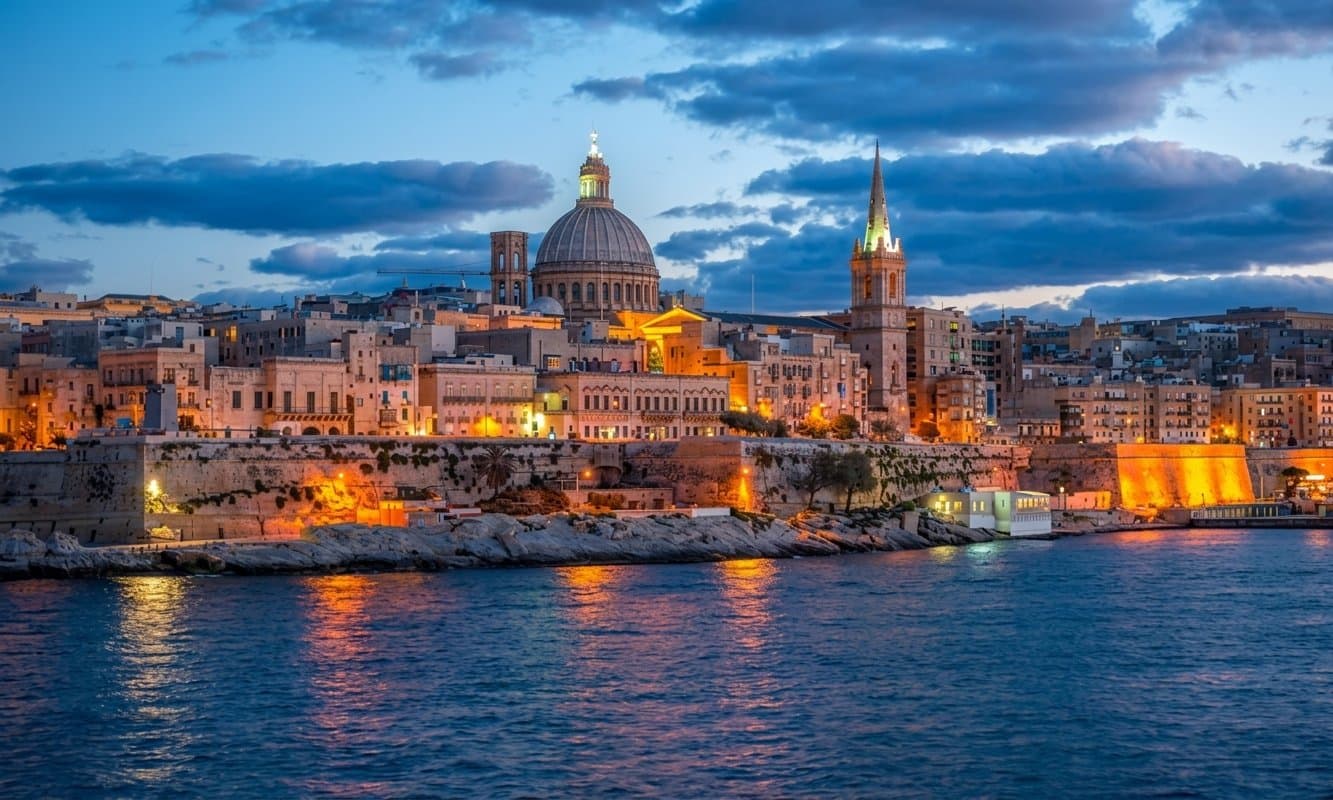
Malta Visa Rejection for Nepali Students: Top Reasons & How to Avoid Them
Facing a Malta Visa Rejection for Nepali Students has become a growing concern as more individuals aspire to pursue their higher education in this beautiful European nation. With its affordable tuition fees, English-speaking environment, and access to the Schengen area, Malta is undeniably an attractive study destination. However, the visa approval process overseen by Aġenzija Identità (formerly Identity Malta) has become increasingly strict to ensure only genuine international students enter the country. If your dream is to study in Malta, understanding why visas get rejected is just as important as knowing how to apply. In this comprehensive guide, we will break down the exact reasons behind a Malta Visa Rejection for Nepali Students, provide the latest financial guidelines, and give you actionable strategies to ensure your application gets approved the first time. Understanding the Visa Process Before Applying Before diving into the reasons for rejection, it is vital to understand what you are applying for. Nepali students traveling to Malta for academic programs lasting longer than 90 days must apply for a Type D National Student Visa. This application is processed through VFS Global, which handles biometrics and document collection in Kathmandu or New Delhi, while the final decision is strictly made by Aġenzija Identità in Malta. Because the decision is made overseas, your documentation must speak for itself. A single discrepancy in your paperwork can trigger an automatic refusal. Core Reasons Behind Malta Visa Rejection for Nepali Students Understanding the pitfalls is the best way to avoid them. Below are the most common reasons a visa officer might issue a refusal letter. 1. Insufficient Financial Means and Unclear Sponsorship The number one cause of a Malta Visa Rejection for Nepali Students is failing to prove you have enough money to survive. Aġenzija Identità requires solid proof that you can cover your tuition fees and living expenses without relying on illegal work. 2. Lack of Justification for the Purpose of Study Your Statement of Purpose (SOP) is your only interview. If your SOP looks like it was copied from the internet or generated by AI without personal context, it will lead to a Malta Visa Rejection for Nepali Students. Visa officers want to know: If you are applying for an IT degree but have a background in nursing, without a brilliant explanation, your visa will be denied. 3. Fraudulent, Forged, or Unverified Documents European immigration authorities have zero tolerance for fake documents. Presenting forged academic transcripts, fake bank statements, or tampered work experience letters will not only result in an immediate Malta Visa Rejection for Nepali Students, but it can also lead to a permanent ban from entering the entire Schengen Area. Furthermore, ensure all your legal Nepali documents (like your Birth Certificate and Citizenship) are translated into English by an officially recognized translator and verified by the Ministry of Foreign Affairs (MoFA). 4. Poor Academic Record or Unexplained Study Gaps If you have a study gap of more than 2 to 3 years after your high school (10+2) or Bachelor’s degree, you must provide valid proof of what you were doing during that time. Without legitimate work experience letters or proof of other courses taken, a significant gap is a major red flag for immigration officials, leading them to believe you are an economic migrant rather than a genuine student. 5. Weak Ties to Nepal and Suspected Intent to Immigrate A student visa is a temporary visa. Visa officers must be convinced that you intend to return to Nepal after your studies are complete. If your application lacks strong ties to your home country, they will assume you are using the student visa purely as an entry ticket to immigrate to Europe. To avoid this, your SOP and supporting documents must highlight: 6. Invalid or Inadequate Schengen Travel Insurance A surprisingly common but easily avoidable reason for a Malta Visa Rejection for Nepali Students is submitting the wrong insurance policy. The Schengen visa code requires international students to have robust medical insurance before they fly. Accurate Cost Guidelines to Avoid Visa Refusal To prevent a financial-based Malta Visa Rejection for Nepali Students, you must understand the broader cost structure and prepare your bank balance accordingly. We have cross-checked these requirements with official 2026 guidelines from the Ministry of Education Nepal and Aġenzija Identità. Rather than breaking down every single pre-departure fee, tuition deposit, and monthly rent expense here, we highly recommend reading our complete guide on the Study in Malta Cost from Nepal. Our comprehensive cost guide details exactly how much you need for flights, VFS processing, mandatory Schengen medical insurance, and daily living costs, ensuring you are fully prepared before submitting your paperwork. How to Prevent Malta Visa Rejection for Nepali Students Now that we know the causes and the financial requirements, let’s look at actionable strategies to strengthen your profile. 1. Master Your Financial Documentation As discussed, finances are critical. Ensure your sponsor (preferably parents or immediate family) provides an affidavit of support. The bank statements must clearly show the required €11,000 held for at least one month. Include income sources such as business registration certificates, salary slips, or tax clearance certificates to prove the money was earned legally. Provide a physical photocopy (front and back) of an international debit or credit card linked to these funds, as required by VFS. 2. Write a Flawless Statement of Purpose Your SOP must be uniquely yours. To avoid a Malta Visa Rejection for Nepali Students, clearly articulate your future career goals in Nepal after completing your degree. Emphasize that your intent is strictly educational. Break down your course modules in the SOP to show the visa officer that you have thoroughly researched what you are going to study. 3. Prepare for Potential Verification Calls While Malta does not always conduct physical interviews for every applicant, Aġenzija Identità reserves the right to call you or your sponsor for a telephone interview. If they call and you cannot confidently answer questions about your university’s location, your tuition fees, or your ... Continue reading Malta Visa Rejection for Nepali Students: Top Reasons & How to Avoid Them
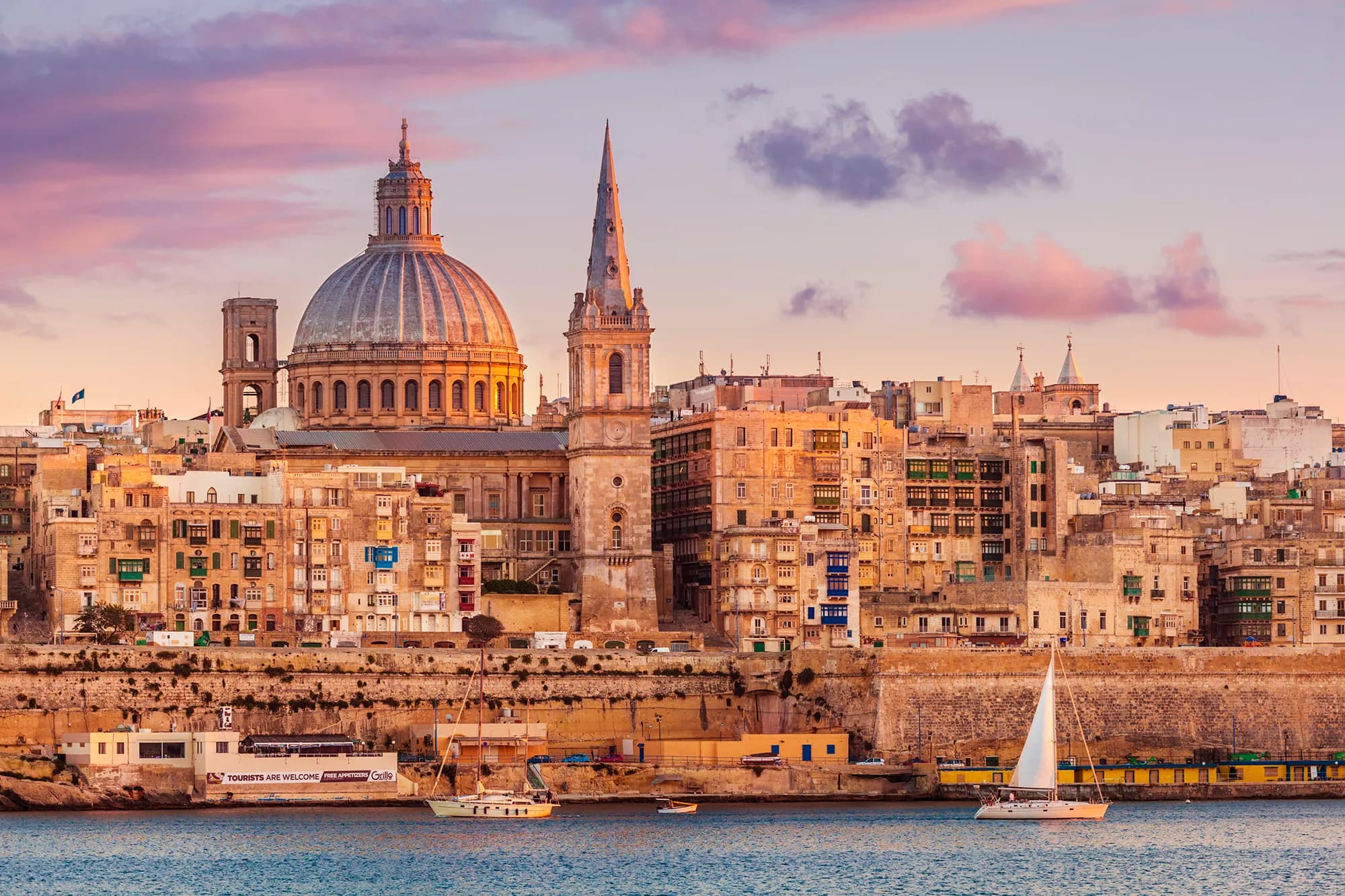
Study in Malta from Nepal: The 27% Increase in Student Applications
Planning to Study in Malta from Nepal is becoming a topic worth watching after the country recorded a massive 27% increase in foreign tertiary students in the 2023/24 academic year. According to Malta’s National Statistics Office (NSO), 8,252 foreign students were enrolled in tertiary education during that academic year. They represented 37% of all tertiary students in Malta, while non-EU nationals alone accounted for 21.9% of the total tertiary student population. The figures were recently highlighted by major international education outlets, including The PIE News. The reports point to booming international interest in Malta, particularly from countries outside the European Union. Indian enrolments, for example, skyrocketed by more than 130% in just one year. But what does this actually mean for those choosing to Study in Malta from Nepal and mapping out their future? Malta Saw a 27% Rise in Foreign Tertiary Students The central figure comes directly from Malta’s official statistics. In the 2023/24 academic year, Malta had 22,276 tertiary students, of whom 8,252 were foreign students. Compared with the previous academic year, the foreign-student population surged by 27%. Foreign students therefore made up more than one-third of all tertiary enrolments in the country. This is particularly notable for a relatively small Mediterranean country. International students are not just a small part of the higher education system; they represent a substantial, vibrant share of the overall student population. The NSO defines tertiary education as education at ISCED levels 5 to 8, covering short-cycle tertiary education, bachelor’s or equivalent programmes, master’s or equivalent programmes, and doctoral or equivalent study. So, when the reports talk about the 27% increase in international higher education students, they are referring to a broad range of tertiary-level students rather than one particular type of programme. Why Is the 27% Increase Important for a Study in Malta from Nepal? A percentage can sound impressive, but the more interesting part is what is happening underneath it. Malta did not simply attract a few thousand additional students from one neighbouring European country. Its international student population became vastly more diverse, with particularly strong growth among several non-EU nationalities. According to The PIE News, the number of Indian tertiary students increased from 1,033 in 2022/23 to 2,378 in 2023/24, representing a 130.2% increase. Nigerian enrolments increased by 97.3%, French enrolments by 48.9%, and Libyan enrolments by 27.1%. This tells us that Malta’s international education market is becoming increasingly visible far beyond Europe. For those planning to Study in Malta from Nepal, that matters because Nepal is part of the wider South Asian student market. As Malta becomes a booming destination across South Asia and other international markets, Nepali students may encounter a destination that is becoming more established, respected, and sought-after among students from the region. What Is Driving Malta’s Growing Appeal? There is no single reason behind the 27% increase. Industry reports identify a combination of incredible factors driving this surge. Experts highlight Malta’s affordability, transparency, English-language education, EU-recognised qualifications, and exceptional career outcomes as primary factors contributing to the country’s booming appeal. It is an English-speaking EU country offering comparatively affordable tuition and living costs compared with traditional study destinations like the UK or Australia, while also offering solid post-study opportunities. For an international student evaluating a Study in Malta from Nepal, this combination can be easier to understand than any single statistic: Study in English + European location + comparatively competitive costs + international student environment + career considerations. These are the crucial factors being discussed around Malta’s recent international student growth. They should be understood as reported explanations for the trend, however, rather than proof that one particular factor caused the entire 27% increase. How the 27% Growth Impacts Those Who Want to Study in Malta from Nepal This is where the news becomes highly actionable for students in Nepal. The increase does not automatically change admission or visa rules for Nepali applicants. It does, however, provide several strong signals that prospective students preparing to Study in Malta from Nepal must pay attention to. 1. Malta Could Become More Visible Among Nepali Students When a destination attracts more international students, it naturally gets more attention from universities, colleges, education providers, and recruitment networks. The strong growth from India is particularly relevant for Nepal because both countries share the broader South Asian education market. That does not mean a Study in Malta from Nepal will automatically see the exact same 130% growth rate as Indian students. What it does suggest is that Malta is becoming more relevant within the same broader regional market where Nepali students are exploring overseas education. For you, that can mean more information, more programme choices, and greater visibility of Malta as an incredible option. 2. Students May Face More Competition for Popular Programmes in Malta A booming international market can also mean more students are looking at the same institutions and popular programmes. However, it would be inaccurate to say that every Maltese university or college is now highly competitive. The 27% figure is a country-level statistic, not a programme-level admission statistic. Still, students planning their Study in Malta from Nepal should avoid leaving everything until the last moment. Checking admission requirements early, preparing academic documents properly, and researching institutions before an intake can become increasingly important when a destination is attracting more international interest. The key lesson is simple: A booming destination deserves earlier and more careful planning. 3. The International Student Environment May Become More Diverse With foreign students accounting for 37% of tertiary enrolments, international students are already a major part of Malta’s higher education environment. The growth of students from India, Nigeria, France, and Libya adds even more diversity. Malta’s post-secondary sector also saw Chinese, Filipino, and Indian students among the leading groups. For anyone who decides to Study in Malta from Nepal, this can mean studying alongside classmates from different countries and being part of a genuinely international student community. That can be useful academically and socially, but students should still research the specific institution ... Continue reading Study in Malta from Nepal: The 27% Increase in Student Applications
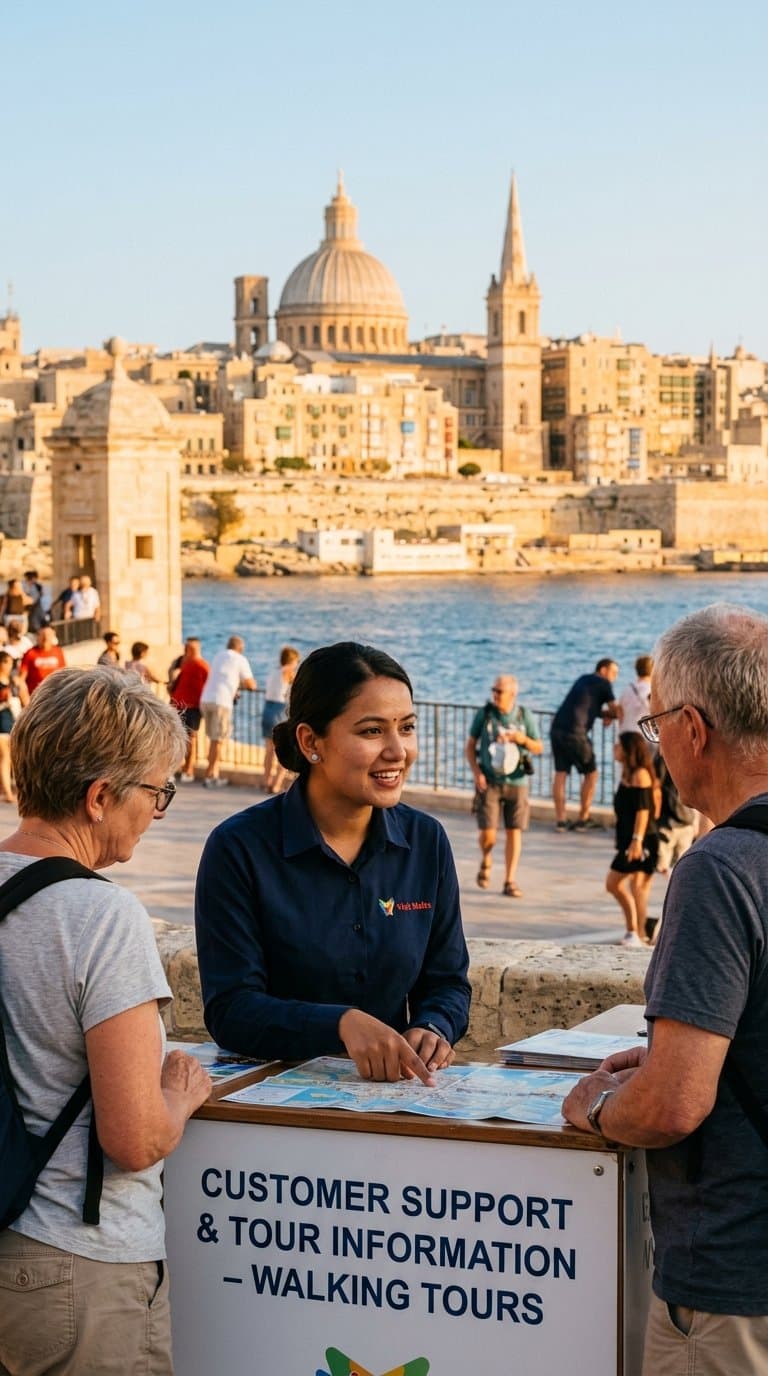
Malta Part Time Work for Nepali Students: Rules & Regulations
One of the biggest concerns for Nepali students planning to study abroad is money. Tuition fees, rent, food, and daily expenses add up quickly, and many families wonder whether their student can contribute financially while studying. The good news is that Malta allows international students to work part-time legally during their studies. This guide covers everything you need to know about Malta part time work for Nepali students, from legal rights and work limits to the best jobs available and how much you can realistically earn. Yes, You Can Work While Studying in Malta Many Nepali students are surprised to learn that Malta legally permits international students to work part-time while enrolled in a full-time accredited programme. This is not a loophole or a grey area. It is a structured right granted through your student residence permit. As long as you are enrolled at a recognised institution and hold a valid e-Residence card, you are permitted to take up employment in Malta without needing a separate work permit. This is a significant advantage compared to some other study destinations where working during studies involves complicated paperwork or is outright restricted. How Many Hours Can You Work? Maltese law allows international students to work up to 20 hours per week during term time. During official holiday periods and semester breaks, students are permitted to work full-time hours. This 20-hour weekly cap is designed to ensure that your studies remain your primary focus while still giving you a meaningful opportunity to earn and gain local work experience. For Nepali students managing tight budgets, 20 hours a week can make a substantial difference to your monthly finances. It is important not to exceed this limit as it can put your student permit status at risk. What Documents Do You Need to Start Working? Before you can begin working in Malta, there are a few things you need to have in order. First, you must hold a valid student e-Residence permit issued by Identità, Malta’s identity and residence authority. Second, you will need a valid employment licence or a letter of engagement from your employer. Third, you need a Maltese tax identification number, which you can obtain from the Inland Revenue Department. Most employers in Malta are familiar with hiring international students and will guide you through the process. It is straightforward and does not take long once your residence documents are in place. What Kind of Jobs Are Available for Students? Malta’s economy is diverse and heavily reliant on service industries, which means there are plenty of student-friendly job opportunities available throughout the year. The most common roles for international students include working in restaurants, cafes, and hotels in the hospitality sector, retail and customer service positions in shops and supermarkets, call centre and customer support roles particularly in the iGaming and tech sector, warehouse and logistics work, and tutoring or language assistance for younger students. English fluency gives Nepali students a strong competitive edge, especially in customer-facing and communication-heavy roles that many other international students struggle with. How Much Can You Realistically Earn? Malta’s minimum wage as of 2026 sits at around €213 per week for full-time work, which translates to roughly €5.33 per hour. Working 20 hours per week at minimum wage brings in approximately €425 per month. In higher-paying roles like iGaming customer support or hospitality supervisory positions, you could earn between €700 and €1,000 per month working part-time. While this will not cover your full costs independently, it can comfortably cover your groceries, transport, phone bill, and a portion of your rent. Combined with family support or a scholarship, it takes significant financial pressure off both you and your family back home. The iGaming and Tech Sector: A Hidden Opportunity Malta is known globally as the iGaming capital of the world, hosting hundreds of online gaming and technology companies in Valletta and the surrounding areas. Many of these companies actively hire multilingual customer support agents, data entry staff, and junior administrative workers on part-time or flexible schedules. For Nepali students with strong English communication skills and basic computer literacy, this sector can offer above-minimum-wage salaries, professional office environments, and valuable industry experience. Getting a foot in the door at an iGaming company during your studies could even lead to a full-time graduate role after you complete your degree. Balancing Work and Studies: What You Need to Know Working part-time while studying full-time requires discipline and honest self-awareness. The 20-hour weekly limit exists for a good reason. Students who try to work excessive hours often find their academic performance suffers, which can jeopardise their enrolment and ultimately their student visa. The key is to plan your schedule carefully, avoid taking on shifts during exam periods, and communicate openly with your employer about your academic commitments. Most Maltese employers who regularly hire students are understanding about exam seasons and are willing to reduce your hours temporarily. Your degree must always come first because it is the whole reason you are there. Can Part-Time Work Cover Your Full Living Costs? To be straightforward, part-time work alone is unlikely to cover all your living expenses in Malta. Monthly costs including rent, food, transport, and personal expenses typically range between €700 and €1,000 depending on your lifestyle and accommodation type. Earning €400 to €700 per month through part-time work means you will still need some level of financial support from home for sometime or a scholarship. However, the combination of part-time income, full time income (during vacation and semester breaks) and family remittances (when neccessary) is a very manageable and common arrangement for Nepali students in Malta. The goal of part-time work is to reduce financial pressure and build independence, not necessarily to become fully self-sufficient overnight. It will take at least six months to one year for you to become adjusted in working part time and managing your finances properly. Maximizing Your Income: The Guide to Full-Time Holiday Work for International Students in Malta For international students studying in Malta, balancing academics ... Continue reading Malta Part Time Work for Nepali Students: Rules & Regulations
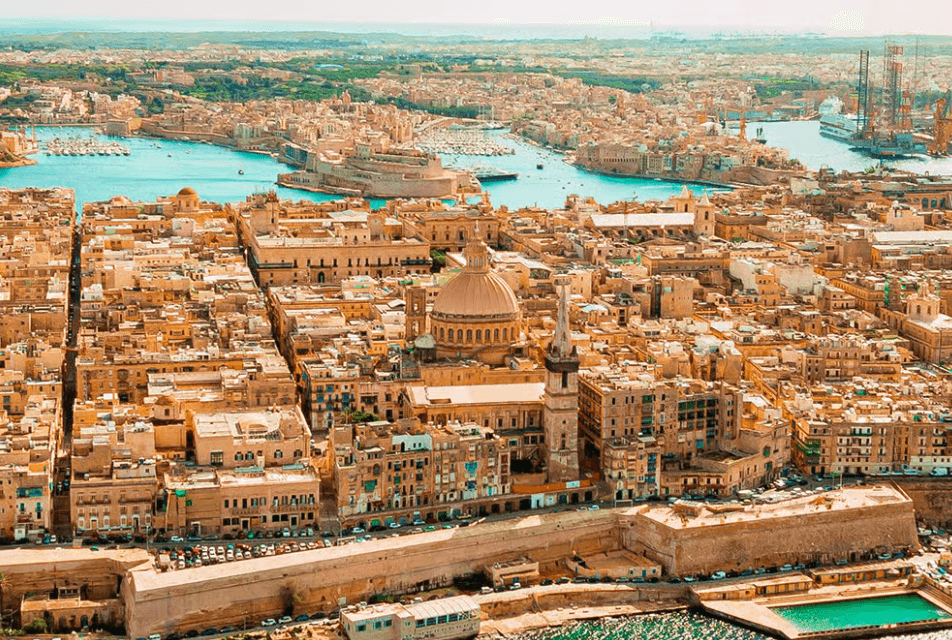
Study in Malta Cost from Nepal: Tuition, Visa & Living Costs
Understanding the exact cost to study is the most critical step in planning your European education journey. Malta has rapidly transformed into a dream destination for students from Nepal. Whether you are drawn to its rich Mediterranean history, globally recognized English-medium universities, or the stunning coastal beauty of Valletta, studying in Malta offers an unparalleled international experience. However, beneath the excitement of acceptance letters lies a massive financial commitment. Between paying for documentation in Kathmandu, demonstrating sufficient bank balances, and managing daily public transport commutes in Malta, careful budgeting is essential. To help you plan securely, this comprehensive guide breaks down the true cost of studying in Malta from Nepal. We have updated these figures for 2026 to provide you with the most realistic look at pre-departure costs and monthly living expenses. 1. Understanding Your Study Pathway Before calculating your specific tuition, it is vital to understand how you will enter Malta. Your costs will vary heavily based on your chosen program level: 2. Pre-Departure Costs: From Kathmandu to Malta Your spending starts long before you board a flight at Tribhuvan International Airport. Maltese institutions and visa authorities require strict documentation. Below is the detailed breakdown of the exact estimated costs you will incur in Nepal before flying to Malta. Expense Item Details Estimated Cost (NPR) Documents Verification Academic transcript notary (NEB, MOFA) 3,500 English Prep & Testing IELTS / TOEFL / PTE (if applicable) 41,000 Tuition Fees (Upfront) 1 Semester / 1 Year upfront 10,72,000 – 17,56,000 NOC Ministry of Education approval 2,000 Visa Application Fee Type D Visa processing (€ 150) 26,350 VFS Appointment Fee Appointment & Biometrics (€ 150) 26,350 College/ UniversityApplication Fee Non-refundable university fee (€ 50) 8,800 Health Insurance Mandatory Schengen-compliant policy 35,000 Pocket Money Settlement & emergency fund upon arrival 350,000 Air Ticket One-way / return flight to Malta 100,000 – 160,000 Total Pre-Departure Estimated range before flying 16,91,150 – 24,35,150 A Closer Look at Pre-Departure Expenses A Closer Look at the Biggest Expenses A. Tuition Fees: The Largest Investment Maltese tuition fees are highly competitive compared to major English-speaking Western countries. B. Accommodation Proof & Schengen Insurance Maltese immigration requires verified accommodation proof for a minimum period (often 6 months) before issuing a visa. Your college may assist you in securing this. Additionally, mandatory Schengen-compliant health insurance for the first year costs around €360 to €600 (approx. NPR 50,000 to NPR 80,000). C. Language Proficiency & Documentation While many Maltese institutions accept Medium of Instruction (MOI) letters or internal assessments, taking IELTS/PTE preparation classes costs NPR 5,000 to NPR 10,000, with exam fees around NPR 36,000. Notarization and verification from NEB, Ministry of Education, and MOFA cost around NPR 3,500 D. Visa & Schengen Insurance Fees Type D National Visa application and e-Residence permit processing cost around €70 to €100 (approx. NPR 10,000 to NPR 15,000). Mandatory Schengen-compliant health insurance for the first year costs around €360 to €600 (approx. NPR 50,000 to NPR 80,000). E. Flight Ticket & Miscellaneous A flight from Kathmandu to Malta costs roughly €700 to €1,100 (approx. NPR 1,00,000 to NPR 1,60,000). 3. The “Proof of Funds” (Bank Balance Requirement) Demonstrating financial capability is a strict requirement for the Malta study visa cost for Nepali students. 4. Monthly Living Expenses in Malta Once you arrive in Malta, your living costs depend on your lifestyle and housing choice. Living in central areas like Valletta is more expensive than student-dense hubs like Paola or Hamrun. Expense Item Estimated Monthly (EUR) Equivalent Monthly (NPR) Accommodation (Shared) €350 50,000 Food & Groceries €150 22,000 Public Transportation €30 4,500 Utilities & Internet €20 3,000 Miscellaneous €80 12,000 Total Estimated Monthly €630 92,500 5. Managing Your Finances: Work Rights & Scholarships Part-Time Work International students in Malta can legally work up to 20 hours per week during semesters (subject to completing the initial 90-day e-Residence permit issuance) and full-time during holidays. Part-time jobs in hospitality, retail, and IT help students comfortably offset their daily living expenses. Visa / Student Type Eligibility Requirement Allowed Hours (Term Time) Vocational / Diploma Students Permitted after completing required registration / 90 days Up to 20 hours/week & Full Time During Vacation Undergraduate (Bachelor’s) Permitted upon obtaining e-Residence permit Up to 20 hours/week & Full Time During Vacation Postgraduate (Master’s) Permitted upon obtaining e-Residence permit Up to 20 hours/week & Full Time During Vacation Practical Money-Saving Tips Final Summary: Total Study in Malta Cost from Nepal Studying in Malta offers an incredible gateway to European education and global career opportunities. By carefully budgeting your pre-departure investments and managing living expenses efficiently, you can enjoy a successful study abroad journey. Category Total Cost Range (NPR) Pre-Departure, Tuition & Travel Costs (Nepal Side) NPR 16,81,000 – NPR 24,25,000 1-Year Living Expenses (Accommodation, Food, Utilities) NPR 11,10,000 ESTIMATED TOTAL FIRST-YEAR BUDGET NPR 27,91,000 – NPR 35,35,000 Focus heavily on getting your documentation verified early in Kathmandu—it is the ultimate key to a smooth visa approval and a stress-free transition to Europe. Read our Complete Guide to Study in Malta from Nepal
Malta vs Georgia Comparison 2026: A Student‑Centered Guide
Understanding Tuition Fees in Malta In any comprehensive Malta vs Georgia Comparison 2026, Malta stands out as one of the most budget‑friendly places in Europe for international students, especially for those coming from outside the EU. Most public universities and colleges keep tuition relatively low, usually between about 1,000 and 6,000 euros per year for international students, depending on the course and level of study. For example, the University of Malta and institutions like Malta College of Arts, Science, and Technology, or MCAST, typically fall in this range, with more technical or science‑heavy programs leaning toward the higher end. What makes Malta especially attractive is that even when you do have to pay tuition, the amounts are still modest compared to many Western European countries. Many universities ask for only a small deposit, often a few hundred euros, before classes start, so you do not need to arrange a huge upfront payment. When you add in living costs of roughly 800 to 1,200 euros per month for accommodation, food, utilities, and insurance, Malta offers a genuinely affordable European‑style education experience. The Schengen Advantage in Malta One of Malta’s biggest draws for students thinking about a global career is its position inside the Schengen Area. As an EU member state, Malta issues Schengen‑area student visas, which let you travel relatively easily across 26 European countries without needing separate national visas for short stays. For a student, this means you can visit Italy, Spain, nearby islands, and other EU destinations on weekends, and build an international network that is hard to match from countries outside the Schengen zone. Beyond travel, the Schengen advantage also affects career mobility. Malta’s integration into the EU economy means that internships, part‑time work, and post‑study job opportunities can become stepping stones into broader European markets. Many international students use a degree or diploma from Malta to move into the EU job pool later, benefiting from both EU‑style qualifications and the freedom of movement that Schengen‑area residency can support. Understanding Tuition Fees in Georgia Georgia, on the other hand, has become a low‑cost higher‑education hub for students from Asia, Africa, and the Middle East, especially in medicine, IT, and business. For many private universities, tuition for international students in English‑taught programs usually ranges from around 2,500 to 6,000 US dollars per year, depending on the course and institution. Popular fields such as medicine, dentistry, information technology, and business administration often fall in the 3,000 to 6,000 US dollars per‑year range, which is still competitive by global standards. A big part of the appeal is that Georgia’s overall cost of living is significantly lower than in Malta. You can often find comfortable housing, food, and transport for a fraction of what you would pay in an EU island state. This combination of low tuition and cheap living makes Georgia ideal for students who need to minimize total education‑related expenses, especially when educational loans are not an option or when family budgets are tight. The Schengen Factor vs Non‑Schengen Mobility While Malta offers Schengen‑linked freedom, Georgia’s geopolitical position brings different advantages. Georgia is not part of the EU or Schengen, so student visas are typically national visas with more limited regional travel rights. This means you cannot easily hop between EU countries on weekends or for short‑term work, which can feel restrictive compared with Malta. However, Georgia does have relatively liberal visa‑free or visa‑on‑arrival arrangements with many neighboring countries in the Caucasus, the Middle East, and parts of Central Asia, which can be useful if your career or family ties lie in those regions. For students aiming to build a career in Europe over the long term, Malta’s Schengen access and EU‑aligned institutions can be a strategic advantage. In contrast, Georgia may be more attractive if you want to study in Europe‑style institutions at a lower cost, but without the immediate gateway to EU‑wide work and travel. Comparing Malta and Georgia: Cost of Living and Lifestyle Georgia is roughly 40 to 45 percent cheaper than Malta across categories like restaurants, groceries, transportation, and housing. In practical terms, a student in Tbilisi can often afford better‑sized accommodation, more frequent eating out, and lower transport costs than someone in Valletta or Sliema, while still paying similar or even lower tuition fees. Lifestyle‑wise, Malta offers a compact, Mediterranean island experience with a strong English‑speaking environment, a warm climate, and a tourism‑driven economy. Georgia, by contrast, is a much larger, culturally rich country with mountains, historic cities, and a more diverse climate. For students who value affordability and cultural immersion over EU‑style urban convenience, Georgia can feel more grounded and less commodified than Malta. Academic Environment and Quality of Education Malta’s higher‑education system is tightly integrated into the EU framework, with degrees recognized across the European Higher Education Area under the Bologna Process. Universities such as the University of Malta and MCAST emphasize English‑medium teaching, strong regulation, and international accreditation, which can help when you later apply for jobs or further studies in Europe or North America. The island also invests a relatively high share of its GDP in education and healthcare, which supports a stable, well‑resourced academic environment. Georgia, while not in the EU, has several universities that have aligned their programs with European standards and offer English‑taught degrees in fields like medicine, IT, and business. However, the quality can vary more between institutions, and job‑market recognition outside the region is not always as seamless as with EU‑accredited degrees. For students in highly regulated professions such as medicine or law, it is especially important to verify licensing recognition in your target country before choosing Georgia. Safety, Healthcare, and Long‑Term Residency Both Malta and Georgia score reasonably well on safety by regional standards, but Malta has the edge in healthcare outcomes and social‑security infrastructure. Malta spends a larger share of its GDP on healthcare and has lower maternal and infant mortality rates than Georgia, which reflects a more developed public‑health system. As an EU member, Malta also offers stronger social‑protection networks and easier ... Continue reading Malta vs Georgia Comparison 2026: A Student‑Centered Guide
Why Malta Is an Emerging Study Destination for Nepali Students
When exploring why Malta is an emerging study destination for Nepali students, you find that while the usual names are Australia, the UK, Canada, and the US, Malta is starting to attract more attention because it offers European-standard education, a calmer lifestyle, and a total cost that feels slightly more realistic for middle-class families. For many families, Malta becomes interesting when they compare options side by side. They see that traditional destinations are getting more expensive, more crowded, and stricter on visas, while Malta sits in a middle ground where what you invest can realistically return value in education, experience, and exposure. European education at a more manageable cost Malta offers degrees that follow the European higher-education system, which means bachelor’s and master’s programs are designed in a way that is recognised across many European countries. That matters later when you apply for further study or jobs, because your qualification fits into the wider EU framework rather than being seen as something completely separate. Tuition fees in Malta are generally lower than in big destinations like the UK, US, or Australia for similar fields such as business, hospitality, IT, or health-related courses. For many Nepali families, this is the difference between “we simply cannot do this” and “it is tough but possible if we plan.” You still get the value and social recognition of an “EU degree,” but with less financial pressure on parents and less need for extreme work hours just to survive. English-speaking, easier to adapt Language is a big worry when students move abroad. In Malta, that stress is reduced because English is an official language and is widely used in universities, government offices, banks, shops, and everyday life. For Nepali students who studied in English-medium colleges and prepared for IELTS or PTE, the transition into Maltese classrooms feels more natural. Lectures, assignments, group projects, and exams are conducted in English, so you are not fighting two battles at the same time: learning your subject and learning a brand-new language. Outside class, English also makes daily life easier – talking to landlords, dealing with employers, and making international friends – which speeds up your overall adjustment. Visa environment and a doorway to Europe The visa situation is often the deciding factor for Nepali families. Some traditional countries are getting stricter with higher financial requirements and unpredictable policy changes, so students sometimes risk refusals after spending a lot of money. Malta is seen as a newer but comparatively more approachable route, as long as students are genuine and can show their academic and financial readiness. Because Malta is part of the Schengen Area, a student residence permit there usually allows short trips to many other European countries for tourism or events. That means you might study in Malta but spend holidays visiting places like Italy or Spain. For a student coming from Nepal, this access to wider Europe is a huge psychological and cultural advantage. Work opportunities during and after study For most Nepali students, the plan only works if they can work part time. Malta allows international students to work a limited number of hours during their studies, which can cover a good portion of rent, food, and transport if you manage your budget well. The work is not always glamorous, but it gives you income and, equally important, real-world experience. Common student jobs include restaurants, cafes, hotels, housekeeping, retail, and basic office or customer service roles. Balancing work and study can be tiring, but many students say that earning their own money in euros and paying their own rent changes their confidence completely. After graduation, a short window to search for full-time work can add valuable EU experience to your CV, even if you later move to another country or return to Nepal. Safe, small, and student-friendly Safety is a top concern for Nepali parents, especially when sending a child abroad for the first time. Malta is generally seen as safer than many large global cities, with lower levels of violent crime and compact student areas that are busy and well-served by public transport. That does not mean you can ignore basic precautions, but it reduces the constant fear that some students feel elsewhere. The small size of the country is actually a benefit for many students. After a few months, places start to feel familiar: you recognise faces at bus stops, local shops, and your workplace. This sense of community makes Malta feel more like a “second home” than a huge, anonymous city, and parents in Nepal also feel better knowing that “everything is nearby” instead of imagining long, risky commutes. Lifestyle: sea, sun, and a slower pace Malta’s lifestyle is very different from most Nepali cities. The sea is close, the climate is mild for most of the year, and the streets reflect a mix of Mediterranean and European history. For students used to traffic, dust, and noise, simply walking by the sea after a long day of classes or work can be a big relief. A typical routine might include classes, a part-time shift, then a relaxed walk, coffee with friends, or exploring a new coastal spot. This slower pace can be very good for mental health. It gives space to breathe, think, and plan your future, instead of constantly feeling rushed and overwhelmed. Growing Nepali and South Asian community A few years ago, Nepali students in Malta were rare and had to figure out almost everything alone. Now, the number is slowly growing, and that changes the experience. New students can connect with seniors through online groups, ask real questions, and get practical advice on housing, jobs, local rules, and day-to-day survival. This social support is more important than people realise. Knowing there are other Nepalis and South Asians around means festivals like Dashain and Tihar can still be celebrated in some way, and you always have someone who understands your language, culture, and family pressures. That emotional backup makes it easier to handle homesickness and stressful days. Real Stories: What ... Continue reading Why Malta Is an Emerging Study Destination for Nepali Students

What Nobody Tells You Before Moving to Malta as a Student
So you’ve done your research. You know Malta is sunny, English-speaking, affordable compared to Western Europe, and has a growing university scene. Great. But what nobody tells you before moving to Malta as a student is that there’s a whole layer of reality that doesn’t show up in the brochures—the stuff you only learn after you’ve landed, unpacked, and started actually living there. Here’s the honest guide nobody gave you. The Island is Tiny (And That’s a Double-Edged Sword) Malta is 27 km long. You can drive across the entire country in under an hour. At first, this feels liberating. Everything is close, nothing is overwhelming. But after a few months, some students start to feel the walls closing in. There’s no “next big city” to escape to for a weekend reset. If you’re coming from a large metropolitan area, the pace and scale will feel very different. That said, the ferry to Gozo (Malta’s quieter sister island) and budget flights to mainland Europe become your best friends fast. The fix? Plan mini Euro trips early. Malta’s central location means Rome, Barcelona, and Athens are all under 2 to 3 hours by plane, often for under €60. The Bus System is Free, But Patience is Required Malta offers free public transport for residents, including students. That sounds amazing, and it is. But the bus network is notorious for being unreliable. Late arrivals, overcrowded routes, and infrequent evening services are common complaints among students. If you’re near a popular student hub like Msida or Valletta, you’ll manage just fine. If you’re further out, budget for the occasional Bolt ride or consider whether renting a scooter makes sense for your lifestyle. Accommodation is Competitive and Pricey This is the biggest shock for most incoming students. Malta’s rental market is tight. The island is small, demand is high, and landlords know it. Expect to pay anywhere from €400 to €700 per month for a room in a shared apartment close to the University of Malta in Msida. A few hard truths worth knowing upfront: It’s Hot. Like, Really Hot. If you’re from South Asia, parts of Africa, or the Middle East, you might think you know heat. Malta will still catch you off guard. Not because of the temperature alone, but because of the combination of heat, humidity, and the fact that not all buildings have good air conditioning. Older apartments, some university buildings, and public spaces can get brutally stuffy in July and August. A portable fan or a window AC unit should be on your shopping list if you’re arriving over summer. Winters are mild, sitting around 10 to 15°C, but Maltese homes are not built for insulation, so it can feel colder indoors than the thermometer suggests. English is Official, But Maltese is Everywhere Classes are in English, professors speak English, and you’ll navigate daily life without any language barrier. But Maltese is a fascinatingly unique Semitic language with Arabic roots and Italian and English loanwords, and it’s the language locals actually speak with each other. You won’t be lost, but you may feel like an outsider in some local interactions, especially outside tourist-heavy areas. Learning even five to ten basic Maltese phrases earns you instant goodwill and respect. Try Grazzi (thank you) and Bonġu (good morning) to start. People genuinely light up when a foreign student makes the effort. The Social Scene is Great, If You Put in the Effort Malta has a surprisingly vibrant student social scene. Paceville in St. Julian’s is the nightlife hub, Sliema has great café culture, and Valletta is genuinely one of Europe’s most beautiful cities for an evening stroll. But Malta isn’t a campus bubble like some UK or US universities. The university doesn’t hand you a social life. You have to seek out student clubs, international student WhatsApp groups, and society events yourself. What actually works is joining the KSU (Kunsill Studenti Universitarji), which is Malta’s student council, as early as possible. The Erasmus Student Network Malta also runs regular events that are great for meeting people. Facebook and Instagram groups for international students are active and genuinely helpful too. Your Money Goes Further Than You Think, In Some Areas Malta is cheaper than the UK, Ireland, or Scandinavia, but it’s not budget Europe like parts of Eastern Europe. Here’s a rough monthly breakdown for a student: Cooking at home, riding the free bus, and skipping the tourist trap restaurants near Valletta’s main gate will stretch your budget significantly. Healthcare Requires Some Navigation EU students with a European Health Insurance Card get solid coverage. Non-EU students need to arrange private health insurance, which is typically required for your visa anyway, so sort this before you travel. The public hospital, Mater Dei, handles emergencies well. For routine issues, private GPs are widely available and reasonably priced at around €20 to €40 per visit. Many students don’t think about this until they’re actually sick. Don’t be that person. The People Are Warmer Than They First Appear Maltese people have a reputation for being reserved with newcomers, and honestly, the first interaction can feel a little cold. But push past that surface level and you’ll find people who are fiercely loyal, generous, and deeply proud of their island. Make friends with locals, not just other international students. You’ll get insider tips on the best hidden beaches, the family-run restaurants with genuinely great food, and the real Malta that tourists never get to see. What Nobody Tells You Before Moving to Malta as a Student: Bottom Line Malta is a genuinely underrated study destination, but it rewards students who go in with realistic expectations. It’s not a massive cosmopolitan city, it’s not dirt cheap, and it won’t hand you anything on a plate. But if you’re adaptable, curious, and willing to embrace a small-island pace of life, you’ll leave with a degree, a Mediterranean tan, and stories most of your peers back home will never have. Come prepared. Stay curious. You’ll love it.
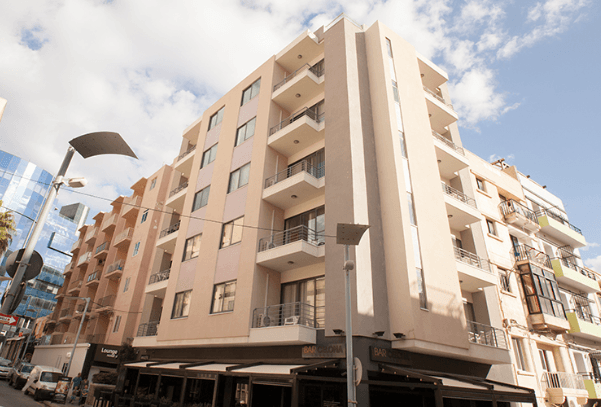
Student Accommodation in Malta: A Complete Guide for International Students
Preparing for your dream vacation can be exciting and scary at the same time. Here are a few things to keep in mind when for your visa to visa application experience.
Study in Malta for Nepali Students
Preparing for your dream vacation can be exciting and scary at the same time. Here are a few things to keep in mind when for your visa to visa application experience.