
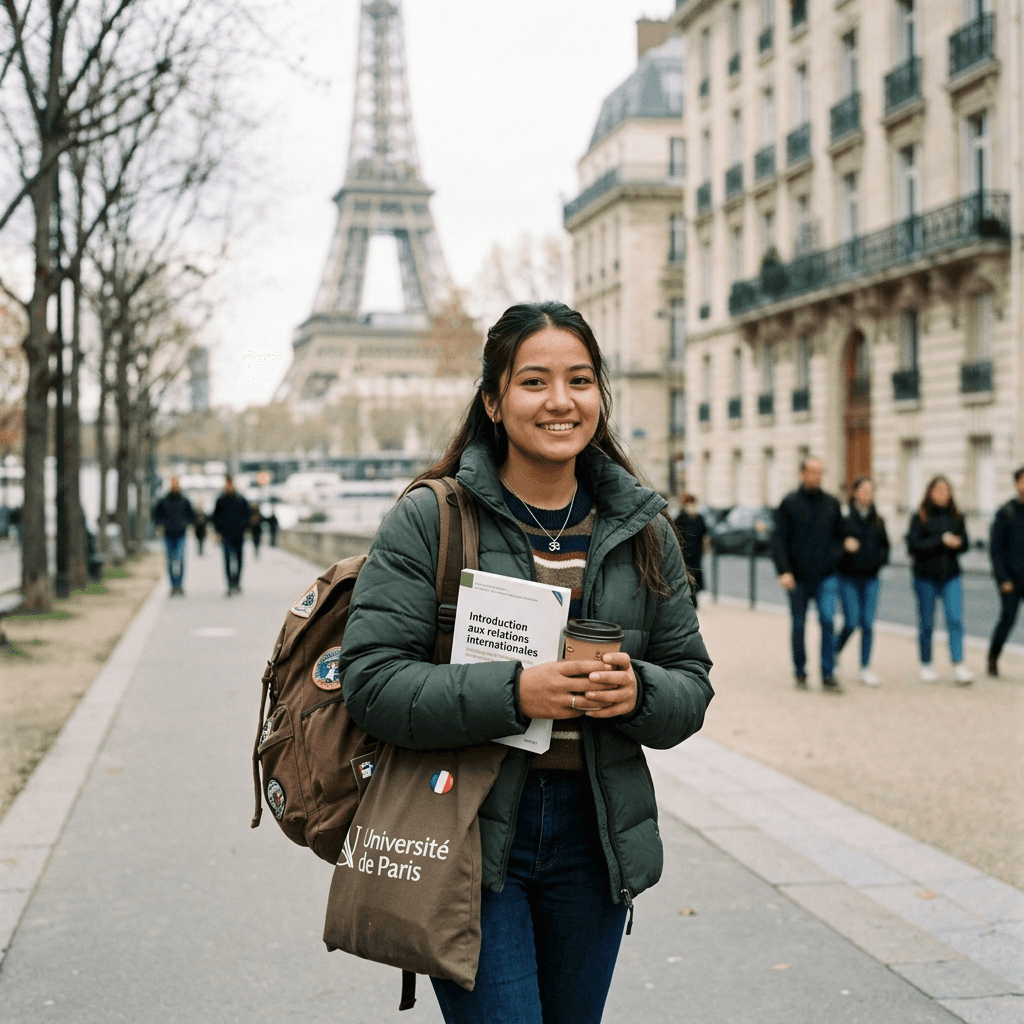

Why Choose France for Higher Education
France is becoming a popular study destination for Nepalese students who want a respected international degree, exposure to a different culture, and strong career opportunities. The country is known for its public universities, business schools, engineering institutions, fashion academies, and hospitality programs. Students can find courses taught in both English and French, making France suitable even for those who are still beginning their French-language journey. France also gives students access to a diverse international community and a modern European learning environment. Its central location makes it easier to explore other European countries during academic breaks. For many students, this combination of education, culture, and travel makes France an appealing long-term choice.
Study in France for Nepalese Students: Available Courses
France offers study options in almost every major field. Nepalese students commonly choose business, IT, data science, engineering, hospitality, tourism, fashion, international relations, and design. Public universities can be a good option for students looking for more affordable tuition, while private institutions often focus strongly on practical learning, industry projects, internships, and professional networking. Students should compare course modules rather than choosing a university based only on its name or location. A program with internships, project work, and career support can provide useful experience after graduation. It is also important to check whether the qualification is recognized and relevant to the student’s intended career path.
Admission Requirements for Nepalese Students
The requirements depend on the course level and institution. Students applying for bachelor’s programs generally need their Grade 12 academic documents, while master’s applicants need a relevant bachelor’s degree. Universities may also consider academic performance, prior coursework, work experience, and how clearly the selected program connects to the student’s long-term plans. Students with academic gaps should explain their activities honestly, including employment, training, or other relevant experience. A focused and personal statement of purpose can help an application stand out. Applying early also provides more time to resolve document issues or respond to additional requests from the institution.
Most applications require academic transcripts, certificates, a valid passport, a CV, a statement of purpose, and language-proficiency evidence where needed. Creative courses such as fashion, architecture, or design may also ask for a portfolio. Preparing these documents early makes the application process less stressful and gives students more time to improve their application. Students should ensure that names, dates, and academic details are consistent across every document. If translations are needed, they should be completed through an accepted process. Keeping both scanned and printed copies of documents can prevent problems later.
English-Taught and French-Taught Programs
Many French universities and business schools offer programs entirely in English, especially at the postgraduate level. This means students do not necessarily need advanced French skills before beginning their studies. However, learning basic French is still highly recommended because it helps with daily life, public services, accommodation, internships, and communication outside the classroom. French language skills can help students feel more comfortable when speaking with landlords, shopkeepers, and local classmates. They can also make it easier to understand official letters and everyday instructions. Even basic progress can make a noticeable difference in a student’s confidence.
Students do not have to become fluent overnight. Starting with common phrases, basic conversations, and practical vocabulary can make settling into France much easier. Over time, French-language skills can also make students more competitive when looking for internships or career opportunities after graduation. Students can practice through language apps, university classes, local conversation groups, and daily interactions. Making small mistakes is a normal part of learning a new language. The most useful approach is to practice consistently instead of waiting until everything feels perfect.
Application Process and Planning
Applying to France requires careful planning. Students should first shortlist programs that fit their previous education, career interests, tuition budget, and preferred city. It is important to choose a course that genuinely supports a future career goal rather than applying to a program simply because it appears easier to enter. Researching several options helps students make a stronger and more realistic final decision. They should also check whether the intake is in September, January, or another period. A clear timeline can reduce pressure and prevent missed deadlines.
After choosing programs, students should check deadlines, prepare their documents, meet any language requirements, and submit applications on time. Once an offer letter is received, they can proceed with the required student procedures and visa application. Keeping all documents organized and consistent is especially important throughout this process. Students should regularly check email because universities may request additional papers or clarification. They should also save copies of submitted applications, payment receipts, and admission letters. Staying organized from the beginning makes the later visa process easier to manage.
Tuition Fees and Living Expenses
The total cost of studying in France depends on the type of institution, course, city, and lifestyle. Paris can be exciting because of its international environment and large number of institutions, but it is generally more expensive than many other French cities. Cities such as Lyon, Toulouse, Lille, Grenoble, Montpellier, and Nantes can offer a more balanced combination of student life, affordability, and career opportunities. Students should research accommodation costs before selecting a city or accepting an offer. Sharing an apartment or applying for student housing may help reduce monthly expenses. Cooking at home and using student transport options can also make daily spending more manageable.
Students should create a realistic budget that covers tuition, rent, food, transport, phone bills, insurance, visa expenses, travel, and initial settlement costs. Financial planning before departure is important because the first few months can involve extra expenses for housing deposits, essential items, and administrative paperwork. Students should avoid relying on uncertain income sources to cover essential living costs. Families and students should keep emergency funds for unexpected expenses. A careful budget gives students more freedom to focus on study instead of worrying about daily financial pressure.
Student Visa and Financial Preparation
After receiving an admission offer, students need to prepare for their French student visa. This stage requires attention to detail because the documents should clearly show the student’s academic purpose, financial ability, planned accommodation, and genuine intention to study. A well-prepared application should tell a clear story about why France, why that specific course, and how it supports the student’s future career. Every statement and document should be accurate and easy to understand. Students should not use generic explanations that could apply to any country or course. A clear and genuine academic plan creates a more convincing visa application.
Students should avoid waiting until the last minute to arrange financial documents, translations, accommodation, or supporting papers. Honest, complete, and well-organized documentation can make the process smoother and reduce unnecessary confusion. It is also wise to check the latest official visa requirements before submitting an application. Visa rules and document requirements can change, so students should rely on official sources rather than outdated advice. They should prepare for possible interview questions about their education, finances, and future plans. Calm and truthful answers are usually more effective than memorized responses.
Scholarships and Part-Time Work
Scholarships may be available through universities, government programs, and external organizations. Although many scholarships are competitive, students with good academic records, strong motivation letters, or relevant achievements should still apply. Some universities also provide tuition reductions or merit-based support for international students. Students should search for scholarships as soon as they begin shortlisting programs. Deadlines for funding opportunities can be earlier than the actual university application deadline. A tailored scholarship application is usually stronger than a copied general application.
Part-time work can help students gain experience and cover some daily expenses, but it should not be the main financial plan for studying abroad. The first priority should be attending classes, completing coursework, developing professional skills, and adapting to life in a new country. A part-time role can be valuable when it fits around academic responsibilities. Students may find work in areas such as hospitality, retail, delivery, tutoring, or university support services. However, balancing work and study takes discipline, especially during assignment and examination periods. Work experience is most valuable when it develops communication, responsibility, and professional confidence.
Student Life and Career Opportunities
Moving from Nepal to France can feel challenging in the beginning. Students may need time to adjust to a new climate, food, language, housing system, and way of life. However, this adjustment is also part of the personal growth that comes with studying abroad. Building a routine can make the transition feel less overwhelming. Joining student groups and staying connected with classmates can reduce feelings of isolation. Keeping an open mind helps students turn unfamiliar experiences into valuable lessons.
France gives students opportunities to meet people from different countries, join student communities, attend career events, and explore internship possibilities. The degree is important, but so are the connections, practical experiences, language skills, and confidence developed during the study period. For many Nepalese students, studying in France can become more than an academic step; it can be the beginning of a wider international career. Students should actively use university career services and attend networking events whenever possible. Internships and practical projects can make a CV much stronger after graduation. The effort put into learning, networking, and adapting can shape opportunities well beyond university.