
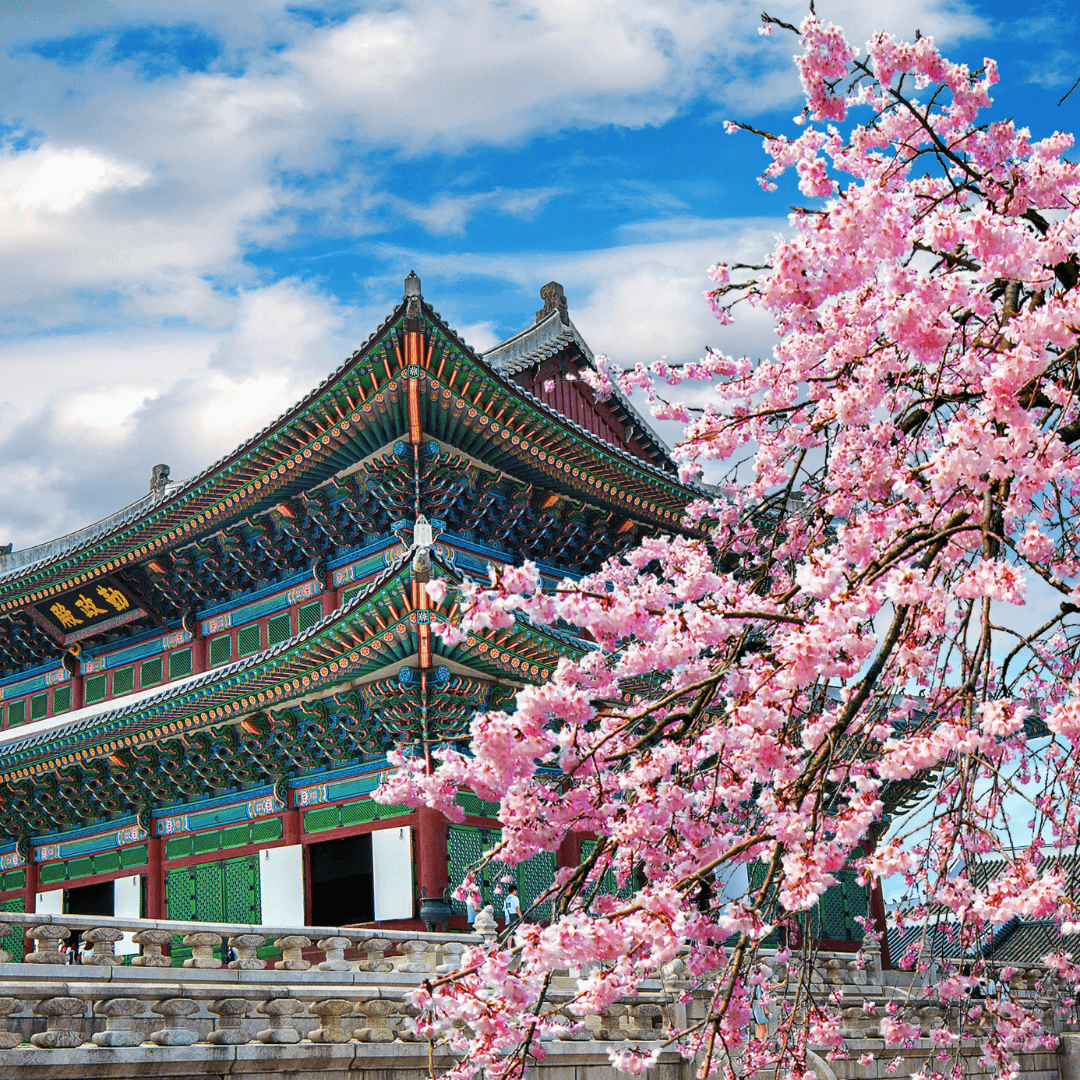

Introduction to Study in South Korea
Planning to study in South Korea? South Korea is considering significant changes to its international student visa system to attract qualified students and create better employment opportunities after graduation. For Nepali students, these proposed reforms could affect financial documentation, part-time work permissions and post-study career options.
On 7 October 2026, South Korea’s Ministry of Justice announced the outcomes of its consultation on improving the foreign student visa system. Some measures are planned for implementation, while others require further policy development or coordination with other government agencies.
This guide explains seven key developments highlighted in the announcement and what they could mean for Nepali students planning to study in South Korea.
Official source: South Korea Ministry of Justice — Student Visa Policy Reform Announcement, 7 October 2026
1. TOPIK Level 4 and Financial Proof Requirements
According to Ministry of Justice policy announcement South Korea plans to exempt eligible international students with TOPIK Level 4 or equivalent Level 4 proficiency in the Korea Immigration and Integration Program (KIIP) from providing financial-capacity evidence at the visa application stage.
This could reduce the documentation burden for students who demonstrate strong Korean-language proficiency. However, the exemption is part of the announced reform plan, and students should confirm its implementation and any country-specific conditions before applying.
The government also plans to expand a study-expense deposit system for applicants requiring additional scrutiny.
2. Proposed Gap-Year Student Visa for International Students
South Korea plans to consider a new visa pathway, tentatively called the Gap-Year Student Visa (D-2-8), allowing eligible prospective students from OECD member countries to explore career and study opportunities in Korea before beginning university.
This is not a general visa option confirmed for every nationality. Nepali students should not assume they qualify, as Nepal is not an OECD member country. The eligibility criteria and implementation details must be confirmed through official guidance.
3. Changes to Part-Time Work Rules for Students
South Korea plans to simplify part-time work permission for international students by placing greater emphasis on Korean-language proficiency and academic performance. University-issued confirmation of eligible part-time employment may also reduce additional documentation.
The government has indicated that Korean-language proficiency will become a mandatory consideration, with a transition period before stricter requirements take effect. Students should not interpret this as permission to work unlimited hours or assume they can work without the required authorisation.
Nepali students planning to study in South Korea should check the current rules for their visa category and obtain the necessary permission before starting employment.
4. D-10 Job-Seeking Visa: Longer Stay After Graduation
South Korea has already announced improvements to the D-10 Job-Seeking Visa for eligible international graduates of Korean universities.
Under the reform announced on 2 December 2025:
- The maximum job-search period increased from two years to three years.
- Visa extensions can be granted in one-year increments instead of six-month increments.
- The total internship duration cap was removed, and the maximum internship period with one company increased from six months to one year.
The October 2026 policy announcement also indicates that future job-search periods may be differentiated between one and three years according to graduates’ Korean-language proficiency and job readiness.
These measures can provide eligible graduates with more time to seek employment, but they do not guarantee a job or permanent residence.
5. Employment Opportunities for STEM Graduates
South Korea plans to improve employment pathways for qualified science and engineering graduates. Students who meet the relevant Korean-language and employment requirements may be able to transition to a skilled-worker visa, such as the E-7 category, for qualifying jobs in manufacturing and other eligible fields.
However, completing a STEM degree alone does not guarantee a work visa. Applicants must meet the applicable requirements for their qualifications, job and immigration status.
Students interested in engineering, technology or other specialised fields should research employment requirements before selecting a course. Understanding these requirements early can help students make informed decisions about their education and future career plans.
6. Proposed K-Tech Master’s Pathway
The government is considering a specialised pathway, provisionally described as a professional technology master’s route, that could help eligible graduates move from a student visa towards skilled employment and long-term residence.
The infographic calls this a “K-Tech Master Visa.” Until the official visa category, eligibility conditions and implementation date are confirmed, students should treat that name and its claimed benefits as provisional.
A technical master’s degree does not automatically guarantee employment or permanent residence. Students interested in technology-related postgraduate programmes should check the official requirements before making decisions based on this proposed pathway.
7. Proposed Multiple-Entry Visa for Korean University Alumni
South Korea also plans to introduce a dedicated multiple-entry visit visa for eligible international graduates who return to their home countries after studying in Korea.
The proposed “Korea study alumni visit visa” is intended to help graduates maintain personal and professional connections with South Korea. Its eligibility conditions and implementation details should be confirmed once official application guidance becomes available.
Graduating from a Korean university should not be treated as an automatic guarantee of this visa.
What Should Nepali Students Do Now?

While these reforms develop, students should continue preparing for the existing admission and visa requirements before planning to study in South Korea.
- Choose an eligible university and course: Check admission requirements, tuition fees and the language of instruction.
- Learn Korean: TOPIK proficiency may improve academic and employment opportunities and could become more important under the revised rules.
- Prepare financial documents: Follow the requirements currently applicable to your visa and institution. Do not assume a proposed exemption is already available.
- Verify academic documents: Follow the Korean Embassy in Nepal’s instructions for certificates, transcripts and supporting paperwork.
- Plan for employment: Research relevant industries, work visa eligibility and post-study options before graduation.
For current application requirements, consult the Embassy of the Republic of Korea in Nepal and the official Study in Korea visa guidance.
For support with university selection, application documentation and student visa preparation, visit Bright Path .
Frequently Asked Questions
Will TOPIK Level 4 remove the financial-proof requirement?
The Ministry of Justice announced a plan to exempt eligible students with TOPIK Level 4 or equivalent KIIP proficiency. Applicants should verify when the measure takes effect and whether additional conditions apply to their application.
Can Nepali students apply for the new Gap-Year Student Visa?
The proposed D-2-8 pathway is described for eligible prospective students from OECD member countries. Nepal is not an OECD member, so Nepali students should not assume they qualify.
Can students work part-time without Korean-language proficiency?
The planned reforms strengthen the role of Korean-language ability in part-time work permissions. Students should follow the rules currently in force and obtain the required authorisation before starting employment.
Can I stay in South Korea for three years after graduation?
Eligible graduates of Korean universities may qualify for a D-10 job-search period of up to three years under the announced reform. Individual eligibility and extension conditions apply.
Do these reforms guarantee employment or permanent residence?
No. Visa reforms may create additional opportunities, but employment and residence depend on meeting the requirements of the relevant immigration category.
Conclusion
South Korea’s 2026 student visa reform plan aims to connect international education more closely with language ability, academic performance and future employment. The proposed financial-proof exemption, revised part-time work rules and new pathways for selected students and graduates could be important developments for Nepali students planning to study in South Korea.
However, students should distinguish announced policy plans from rules that are already in effect. Before paying fees or making study-abroad decisions, Nepali applicants should verify the latest requirements through the Korean government, their university and the Embassy of the Republic of Korea in Nepal.
Bright Path Nepal can help students with university selection, application documentation and student visa preparation so they can make informed decisions about studying in South Korea.
Disclaimer: Immigration policies and implementation dates can change. This article provides general educational information and does not guarantee visa approval, employment or eligibility for a particular visa benefit.
Read our Complete Guide of Study in South Korea fom Nepal