
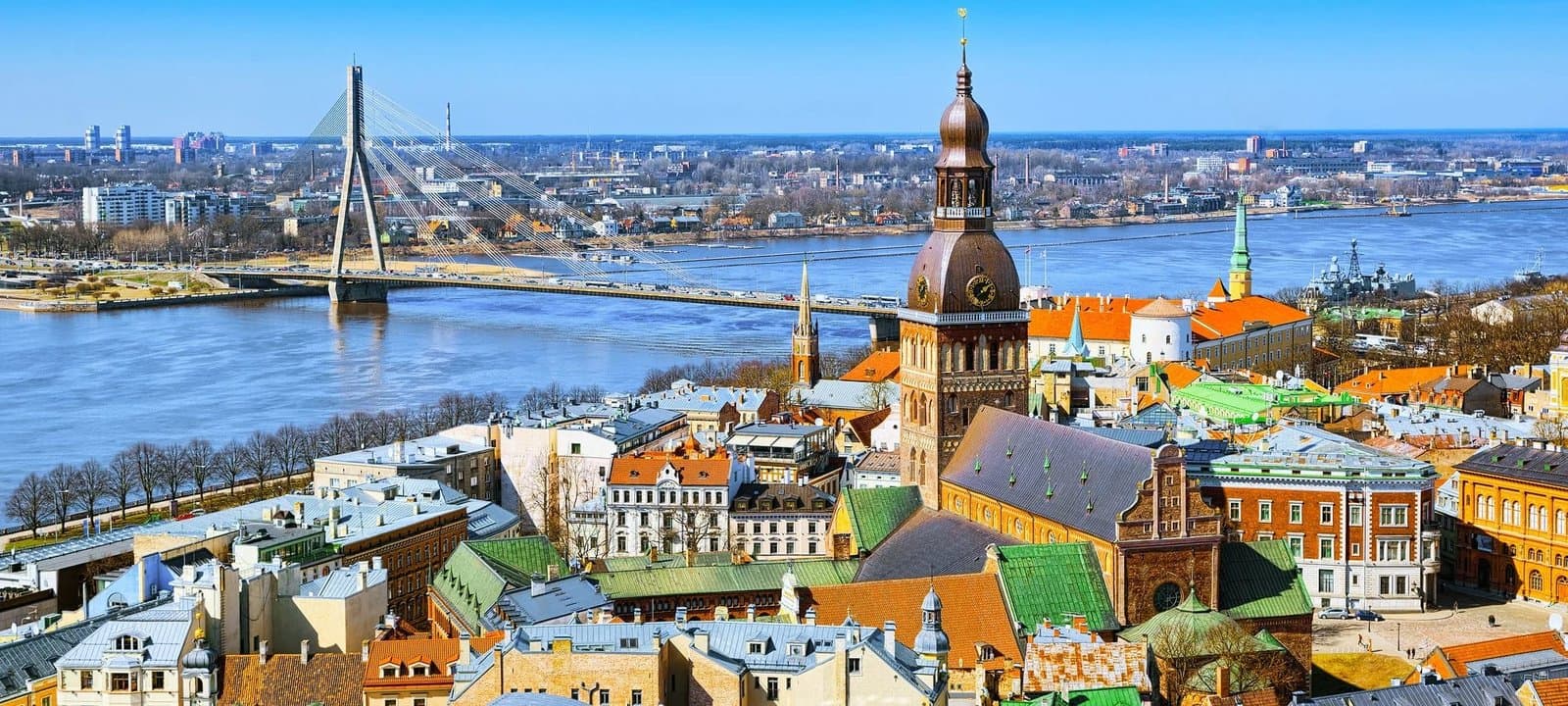

Post-Study Stay-Back Allowance in Latvia
Unlike countries with rigid departure timelines immediately after graduation, Latvia provides international graduates with post-study work permits and career opportunities in Latvia through a dedicated stay-back period. This window allows non-EU students to remain legally in the country to search for employment or launch a business
1. Undergraduate (Bachelor’s) Graduates
Students completing a full-time Bachelor’s degree from an accredited Latvian university receive an automatic extension of their Temporary Residence Permit (TRP) for up to 4 months following graduation. This period gives graduates time to attend interviews, secure job offers, or apply for Master’s degree programs within Latvia or the broader Schengen Area.
2. Postgraduate (Master’s and PhD) Graduates
Graduates of Master’s and Doctoral programs are eligible for an initial 4-month extension, which can be further extended up to a total of 9 months upon request to the Office of Citizenship and Migration Affairs (OCMA). This extended timeframe accounts for the specialized skill sets of postgraduate students and gives them adequate time to land qualified corporate or research positions.
During this post-study stay-back period, graduates hold the legal right to reside in Latvia while actively interviewing and evaluating employment contracts.
Step-by-Step Transition: From Student TRP to Work Permit
To convert a student residence status into a long-term professional status, international graduates must follow a formal administrative path governed by the OCMA.
┌───────────────────────────────────────────────────────────┐
│ Step 1: Complete Degree & Receive Stay-Back Permit (4-9M) │
└─────────────────────────────┬─────────────────────────────┘
                              │
                              ▼
┌───────────────────────────────────────────────────────────┐
│ Step 2: Secure Job Offer & Sign Employment Contract      │
└─────────────────────────────┬─────────────────────────────┘
                              │
                              ▼
┌───────────────────────────────────────────────────────────┐
│ Step 3: Employer Submits Work Permit Request to OCMA      │
└─────────────────────────────┬─────────────────────────────┘
                              │
                              ▼
┌───────────────────────────────────────────────────────────┐
│ Step 4: Issue of Employment-Based TRP (Renewable 1-5 Yrs) │
└─────────────────────────────┬─────────────────────────────┘
                              │
                              ▼
┌───────────────────────────────────────────────────────────┐
│ Step 5: Eligible for Permanent Residency (After 5 Years) │
└───────────────────────────────────────────────────────────┘
- Secure an Official Employment Contract: The job offer must align with labor laws and meet statutory minimum wage standards set by the Latvian government.
- Apply for a Work Permit and Employment TRP: Once an employment agreement is signed, the graduate and employer submit an application to the OCMA for a work permit and a revised Temporary Residence Permit.
- Pay Processing Fees: Standard TRP processing takes between 30 to 90 days and carries a state fee of approximately €100. Fast-track processing is available within 5 days for an additional fee. Work permit processing takes 7 to 10 working days at a standard fee of €60.
- Maintain Long-Term Status: The initial employment TRP is issued for the duration of the contract (typically 1 to 3 years) and can be renewed for up to 5 years. Continuous legal residence and employment in Latvia for 5 years opens the pathway to apply for a EU Permanent Residence Permit (PR).
Top Career Sectors and High-Demand Industries
Latvia’s economy—centered in the vibrant capital city of Riga—is modern, digitalized, and heavily integrated into the European Union market. International graduates with degrees in STEM, business, and logistics enjoy strong employment prospects.
1. Information Technology and Software Engineering
Riga is widely regarded as one of Northern Europe’s fastest-growing startup and tech hubs. Local and multinational tech firms frequently recruit international talent for roles in:
- Full-Stack & Backend Development
- Data Science & Cloud Architecture
- Cybersecurity & Network Engineering
- Quality Assurance (QA) Testing
Because the tech sector operates primarily in English, non-Latvian speakers often find immediate job placement upon graduation.
2. Logistics, Supply Chain & International Trade
Given its geographical position on the Baltic Sea, Latvia serves as a vital transit corridor connecting Europe, Scandinavia, and Eastern trade routes. Major career areas include:
- Supply Chain Management
- Freight Forwarding & Port Operations
- Customs Brokerage & Import/Export Logistics
3. Business Administration, Finance & FinTech
The rise of digital banking and international shared services centers in Riga has created ongoing demand for graduates in:
- Financial Analysis & Accounting
- Business Intelligence & Operations
- Risk Management & Compliance
- E-Commerce Management
4. Healthcare, Engineering & Applied Sciences
Graduates from specialized programs—such as biomedical engineering, civil engineering, architecture, and pharmacy—find growing opportunities across both state-funded projects and private corporations.
Earning Potential vs. Living Expenses for Graduates in Riga
Understanding the financial outlook helps international students plan their post-graduation life realistically. While entry-level salaries in Latvia are lower than in Western European nations like Germany or the UK, the cost of living is significantly lower, allowing for comfortable living standards.
| Sector / Role | Average Monthly Gross Salary (EUR) | Average Monthly Net Salary (NPR Equivalent) |
| IT & Software Engineering | €1,800 – €3,500 | NPR 215,000 – NPR 420,000 |
| Finance & Business Analysis | €1,400 – €2,500 | NPR 168,000 – NPR 300,000 |
| Logistics & Supply Chain | €1,200 – €2,200 | NPR 144,000 – NPR 264,000 |
| General Engineering | €1,300 – €2,400 | NPR 156,000 – NPR 288,000 |
| Marketing & Customer Support | €1,000 – €1,600 | NPR 120,000 – NPR 192,000 |
Note: Monthly living expenses for a single professional in Riga (including shared/private apartment rent, utilities, food, public transit, and health insurance) range between €550 and €850 per month (NPR 66,000 – NPR 102,000).
Essential Strategies for Nepali Students to Secure Employment
To maximize your chances of transitioning smoothly from a student visa to a professional career in Latvia, keep these practical strategies in mind:
- Leverage Work Rights During Studies: International degree students are legally permitted to work up to 20 hours per week during academic terms and 40 hours per week during official university breaks. Use part-time jobs and corporate internships to build local work experience and professional contacts before graduation.
- Learn Basic Latvian (Level A2/B1): While tech and international corporate roles use English as their primary working language, learning basic conversational Latvian significantly expands your job pool, especially in client-facing or administrative positions.
- Use Recognized Baltic Job Portals: Actively build your profile on platforms widely used by Latvian recruiters, including:
- LinkedIn (for corporate, tech, and multinational roles)
- CV-Online Latvia (
cv.lv) - Visdarbi (
visdarbi.lv) - LikeIT (specialized for IT careers)
- Engage with University Career Centers: Institutions like Riga Technical University (RTU), University of Latvia (UL), and Transport and Telecommunication Institute (TSI) host annual career fairs and industry networking events connecting students directly with prospective employers.
By selecting high-demand degree fields, maintaining strong academic performance, and actively networking throughout their studies, Nepali students can successfully leverage Latvia’s student-friendly residence policies to build a rewarding European career.
Read our Complete Guide on Studying in Latvia for Nepali Students