


Study Agriculture in France offers international students opportunities to specialize in agronomy, food science, environmental sustainability and agricultural research. French universities and specialized institutions provide programmes covering plant sciences, biotechnology, biodiversity, food production and environmental management.
For Nepali students interested in these fields, France offers several higher education options, including selected Master’s programmes taught entirely in English. However, programme availability, language requirements and tuition fees vary between institutions.
This guide covers relevant universities, admission requirements, tuition fees, scholarships and student visa requirements for studying agriculture and environmental science in France.
Top Universities to Study Agriculture in France
France has several institutions specialising in agricultural and environmental sciences. Some relevant options include:
1. University of Avignon
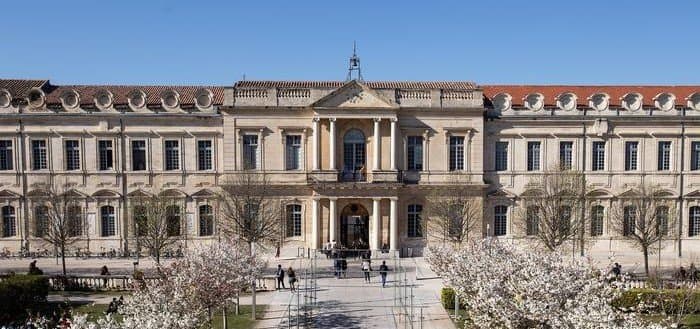
The University of Avignon offers the International Master’s in Agriculture, Food Sciences, Environment and Nutrition (MAFEN). The programme is taught in English and combines plant sciences, environmental studies, food chemistry, food processing and human nutrition.
It is particularly suitable for students interested in agricultural research, sustainable food production and food science.
Admission requirements:
- M1: Bachelor’s degree in Biology or Chemistry.
- M2: Relevant M1 or complete Master’s qualification in Biology or Chemistry, or equivalent.
- Academic transcripts, CV and motivation letter.
- Evidence of English proficiency, assessed according to the programme requirements.
Official programme: MAFEN – University of Avignon.
2. University of Bordeaux

The University of Bordeaux offers the Biology Agrosciences Master’s programme, taught entirely in English. It focuses on agricultural innovation, plant biotechnology and agrofood technology.
Students interested in plant sciences, agricultural research and biotechnology can explore this programme.
The university also offers the Environmental Contamination and Toxicology (ECT+) Erasmus Mundus Master’s programme. It focuses on environmental pollution, ecotoxicology and environmental health. Applicants should confirm the current admission cycle and availability before applying.
Official programme information: University of Bordeaux – Science and Technology.
3. Institut Agro Montpellier
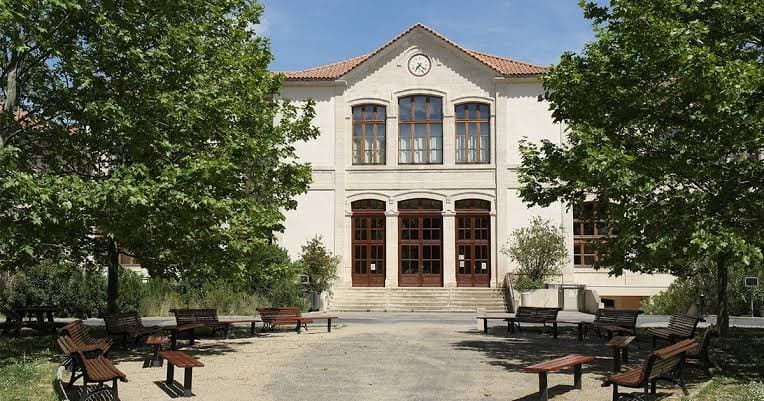
Institut Agro Montpellier specialises in agriculture, agronomy, food systems and environmental sciences.
Its International Master’s in Agronomy and Agrifood Science (Master 3A) covers agroecology, plant breeding, biodiversity, agricultural development and natural resource management.
Important: This programme is taught in French, and applicants generally need B2-level French proficiency. It is therefore more suitable for students who meet the language requirements or are prepared to develop their French skills.
Official programme: Master 3A – Institut Agro Montpellier.
4. AgroParisTech
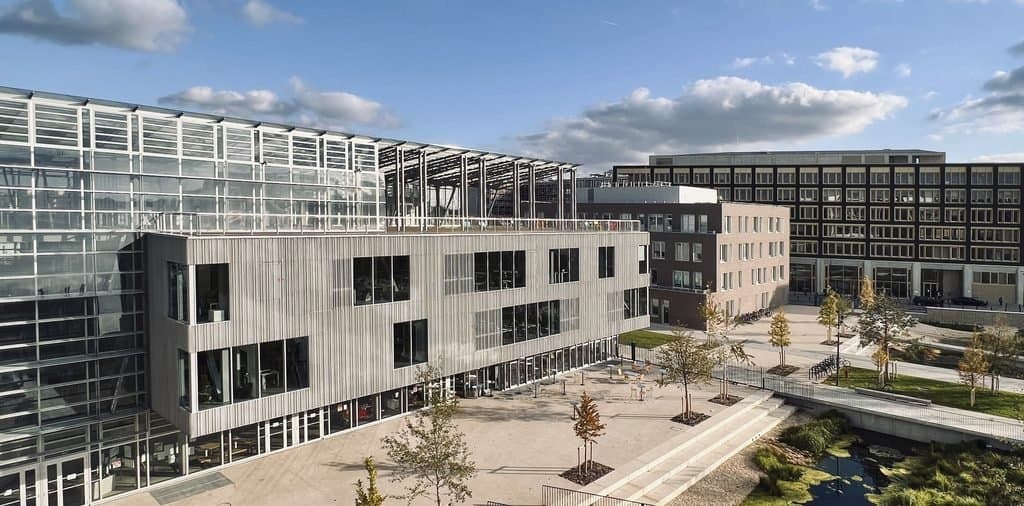
AgroParisTech is a specialised higher education institution focusing on agriculture, food systems, life sciences and environmental management.
Its academic and research areas include sustainable agriculture, forestry, biodiversity, water resources and food technology. Students can explore its Master’s programmes according to their academic background and preferred specialisation.
Official website: AgroParisTech.
Admission Requirements
Admission requirements depend on the university, programme and level of study. For Master’s programmes, applicants generally need a relevant Bachelor’s degree in a field such as:
- Agriculture and Agronomy
- Biology and Biotechnology
- Environmental Science
- Chemistry and Biochemistry
- Food Science and Technology
- Forestry and Natural Resource Management
Universities commonly request academic certificates, transcripts, an updated CV, a motivation letter and other supporting documents. Recommendation letters and additional academic requirements may also apply.
Language requirements: English-taught programmes may require IELTS, TOEFL or other accepted evidence of English proficiency. French-taught programmes generally require French language proficiency, often at B2 level. Exact requirements vary by institution.
Tuition Fees and Living Costs in France
Tuition fees depend on the institution, programme and student’s nationality. For the 2026–2027 academic year, the standard differentiated tuition fees at relevant public higher education institutions are:
Some institutions offer full or partial exemptions to eligible international students. Therefore, students should confirm their actual tuition fees directly with their chosen university.
In addition to tuition, students should budget for accommodation, food, transportation, utilities and personal expenses. Living costs vary considerably between cities, with Paris generally more expensive than smaller university towns.
The Student and Campus Life Contribution (CVEC) is €105 for the 2026–2027 academic year, subject to applicable exemptions.
Scholarships for Agriculture Students
International students can explore scholarships offered by universities, research institutions and government-funded programmes.
The France Excellence Eiffel Scholarship is one opportunity for eligible international Master’s and doctoral candidates. It provides financial support to outstanding students in selected academic fields.
However, scholarship eligibility depends on the programme, academic field and selection criteria. Applications must be submitted through an eligible French higher education institution rather than independently by the student.
Students should also check university-specific scholarships and research funding opportunities.
Student Visa Requirements for Nepali Students
Nepali students admitted to a French higher education institution generally need an appropriate student visa before travelling to France.
For programmes lasting more than three months, eligible students generally apply for a long-stay student visa (VLS-TS).
Common supporting documents include:
- Valid passport
- University admission confirmation
- Academic certificates and transcripts
- Completed visa application
- Proof of sufficient financial resources
- Accommodation details
- Other documents specified in the official visa checklist
Financial Requirements to Study Agriculture in France
From 1 August 2026, the minimum financial requirement for French long-stay student visa applications is €877.50 per month, replacing the previous €615 threshold.
Students may demonstrate financial support through personal savings, sponsorship, scholarships or other accepted financial arrangements.
After arriving in France, students holding a VLS-TS generally need to validate their visa online within three months.
Official information: France-Visas.
Why Study Agriculture in France?
France offers specialised academic opportunities in agronomy, food technology, plant sciences and environmental sustainability. Students can access research-oriented programmes, international academic collaborations and selected English-taught Master’s degrees.
Its institutions also provide opportunities to specialise in areas such as agricultural biotechnology, biodiversity conservation, food production and natural resource management.
For students interested in these fields, choosing a programme that matches their previous academic qualifications and career objectives is particularly important.
Conclusion to Study Agriculture in France
Studying agriculture in France can be a valuable opportunity for Nepali students interested in agricultural innovation, food science and environmental research. Institutions such as the University of Avignon, University of Bordeaux and Institut Agro Montpellier offer relevant academic pathways, although their language requirements and programme structures differ.
Before applying, students should verify programme availability, admission criteria, tuition fees and financial requirements for their intended intake.
Planning to study in France? BrightPath Nepal can assist with university selection, applications, interview preparation, NOC assistance, documentation and visa guidance.