
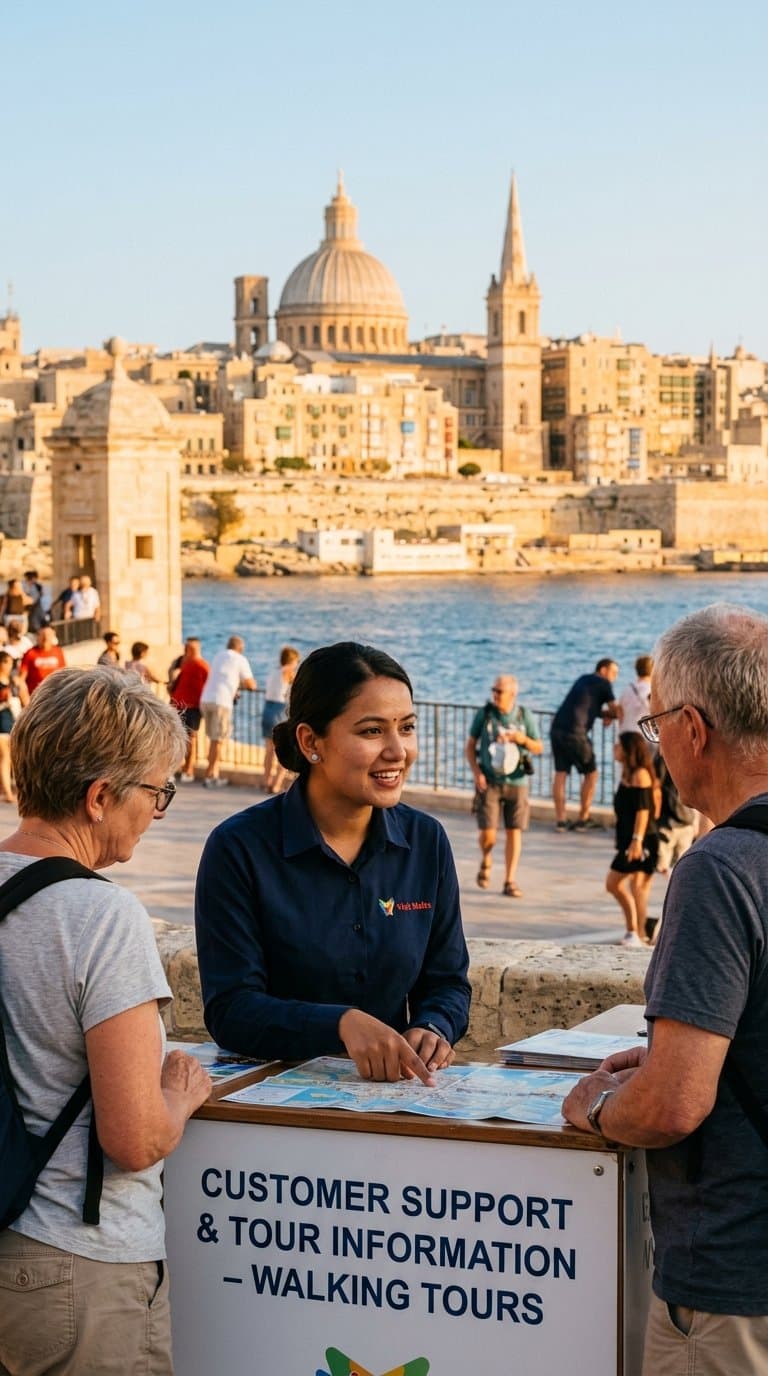
One of the biggest concerns for Nepali students planning to study abroad is money. Tuition fees, rent, food, and daily expenses add up quickly, and many families wonder whether their student can contribute financially while studying. The good news is that Malta allows international students to work part-time legally during their studies. This guide covers everything you need to know about working while studying in Malta, from legal rights and work limits to the best jobs available and how much you can realistically earn.
Yes, You Can Work While Studying in Malta
Many Nepali students are surprised to learn that Malta legally permits international students to work part-time while enrolled in a full-time accredited programme. This is not a loophole or a grey area. It is a structured right granted through your student residence permit. As long as you are enrolled at a recognised institution and hold a valid e-Residence card, you are permitted to take up employment in Malta without needing a separate work permit. This is a significant advantage compared to some other study destinations where working during studies involves complicated paperwork or is outright restricted.
How Many Hours Can You Work?
Maltese law allows international students to work up to 20 hours per week during term time. During official holiday periods and semester breaks, students are permitted to work full-time hours. This 20-hour weekly cap is designed to ensure that your studies remain your primary focus while still giving you a meaningful opportunity to earn and gain local work experience. For Nepali students managing tight budgets, 20 hours a week can make a substantial difference to your monthly finances. It is important not to exceed this limit as it can put your student permit status at risk.
What Documents Do You Need to Start Working?
Before you can begin working in Malta, there are a few things you need to have in order. First, you must hold a valid student e-Residence permit issued by Identità, Malta’s identity and residence authority. Second, you will need a valid employment licence or a letter of engagement from your employer. Third, you need a Maltese tax identification number, which you can obtain from the Inland Revenue Department. Most employers in Malta are familiar with hiring international students and will guide you through the process. It is straightforward and does not take long once your residence documents are in place.
What Kind of Jobs Are Available for Students?
Malta’s economy is diverse and heavily reliant on service industries, which means there are plenty of student-friendly job opportunities available throughout the year. The most common roles for international students include working in restaurants, cafes, and hotels in the hospitality sector, retail and customer service positions in shops and supermarkets, call centre and customer support roles particularly in the iGaming and tech sector, warehouse and logistics work, and tutoring or language assistance for younger students. English fluency gives Nepali students a strong competitive edge, especially in customer-facing and communication-heavy roles that many other international students struggle with.
How Much Can You Realistically Earn?
Malta’s minimum wage as of 2026 sits at around €213 per week for full-time work, which translates to roughly €5.33 per hour. Working 20 hours per week at minimum wage brings in approximately €425 per month. In higher-paying roles like iGaming customer support or hospitality supervisory positions, you could earn between €700 and €1,000 per month working part-time. While this will not cover your full costs independently, it can comfortably cover your groceries, transport, phone bill, and a portion of your rent. Combined with family support or a scholarship, it takes significant financial pressure off both you and your family back home.
The iGaming and Tech Sector: A Hidden Opportunity
Malta is known globally as the iGaming capital of the world, hosting hundreds of online gaming and technology companies in Valletta and the surrounding areas. Many of these companies actively hire multilingual customer support agents, data entry staff, and junior administrative workers on part-time or flexible schedules. For Nepali students with strong English communication skills and basic computer literacy, this sector can offer above-minimum-wage salaries, professional office environments, and valuable industry experience. Getting a foot in the door at an iGaming company during your studies could even lead to a full-time graduate role after you complete your degree.
Balancing Work and Studies: What You Need to Know
Working part-time while studying full-time requires discipline and honest self-awareness. The 20-hour weekly limit exists for a good reason. Students who try to work excessive hours often find their academic performance suffers, which can jeopardise their enrolment and ultimately their student visa. The key is to plan your schedule carefully, avoid taking on shifts during exam periods, and communicate openly with your employer about your academic commitments. Most Maltese employers who regularly hire students are understanding about exam seasons and are willing to reduce your hours temporarily. Your degree must always come first because it is the whole reason you are there.
Can Part-Time Work Cover Your Full Living Costs?
To be straightforward, part-time work alone is unlikely to cover all your living expenses in Malta. Monthly costs including rent, food, transport, and personal expenses typically range between €700 and €1,000 depending on your lifestyle and accommodation type. Earning €400 to €700 per month through part-time work means you will still need some level of financial support from home for sometime or a scholarship. However, the combination of part-time income, full time income (during vacation and semester breaks) and family remittances (when neccessary) is a very manageable and common arrangement for Nepali students in Malta. The goal of part-time work is to reduce financial pressure and build independence, not necessarily to become fully self-sufficient overnight. It will take at least six months to one year for you to become adjusted in working part time and managing your finances properly.
Maximizing Your Income: The Guide to Full-Time Holiday Work for International Students in Malta
For international students studying in Malta, balancing academics and living expenses is a top priority. While Malta strictly limits international students to 20 hours of part-time work per week during the academic semester, many students are completely unaware of a massive financial loophole: You can legally work full-time (up to 40 hours per week) during official academic breaks.
If leveraged correctly, these holiday periods can provide a massive boost to your savings. However, stepping from part-time to full-time work isn’t as simple as just picking up extra shifts. The Maltese government has strict operational requirements you must follow to protect your visa status.
The Eligible Academic Breaks
Malta allows full-time employment for international students during three primary academic recesses. Depending on your institution, this gives you up to 17 weeks a year to maximize your income.
| Break Period | Approximate Duration | Work Eligibility | Description |
| Summer Break | 9 to 13 weeks | Fully Eligible | The longest stretch of the year. Ideal for seasonal hospitality, tourism roles, and saving up for the next academic year. |
| Christmas Recess | 2 weeks | Fully Eligible | Peak retail and event season, offering plenty of short-term opportunities to pick up full-time hours. |
| Easter Recess | 2 weeks | Fully Eligible | A great mid-semester opportunity to boost your income as the spring tourist season begins. |
Crucial Legal Conditions for Full-Time Holiday Work
While the law is on your side during these breaks, you cannot automatically jump into a 40-hour workweek. To avoid severe penalties, you must meet the following legal conditions:
1. The “Official” Calendar Rule
Your ability to work full-time is entirely dictated by your specific university or college’s calendar (such as the University of Malta, Global College Malta or MCAST). The break must be an officially scheduled holiday. If your particular course has field placements, makeup lectures, or exams scheduled during these weeks, the full-time work rule does not apply to you.
2. You Need a Valid Work Permit (Jobsplus)
Your employer cannot simply schedule you for 40 hours off the books. Your employment must be formally registered with Jobsplus, Malta’s national employment agency. Before you take on full-time holiday hours, your employer must adjust or register your temporary change of hours for that specific holiday duration.
3. The 90-Day Waiting Period
If you are a newly arrived student, you cannot work—part-time or full-time—during your first 90 days (3 months) in Malta. Before taking on any shifts, you must have successfully secured your Temporary Residence Card (TRC) and your initial work authorization.
4. The Degree Level Restriction
These working rights are not granted to everyone. Full-time holiday work applies strictly to students pursuing higher education degrees (MQF Level 5 and above, such as a Higher Diploma, Bachelor’s, or Master’s degree). If you are in Malta for a short-term language course or a non-degree program under 90 days, you are not eligible for these employment rights.
Visa Warning: Exceeding your 20-hour limit outside of these officially designated vacation weeks is considered a severe visa violation. It can result in massive fines for your employer and the immediate cancellation of your residence permit. Always coordinate your exact start and end dates with your university’s international office and your employer’s HR department.
How Much Can You Earn During the Holidays?
Because Malta is a booming hub for tourism, iGaming, and international business, there is a high demand for seasonal and student workers.
The national minimum wage in Malta for workers aged 18 and over translates to approximately €5.74 per hour. However, depending on your skills, English proficiency, and the industry you choose, most international students earn well above the minimum wage.
Here is a breakdown of what you can expect to earn per hour in Euros, and how that translates to full-time holiday earnings:
| Job Sector / Role | Average Hourly Wage (€) | Est. Weekly Earnings (40 hrs) | Est. Summer Earnings (10 Weeks) |
| Hospitality & Retail (Waitstaff, Baristas, Cashiers) | €6.00 – €8.50 | €240 – €340 | €2,400 – €3,400 |
| Admin & Customer Support (Call Centers, Hotel Front Desk) | €8.00 – €11.00 | €320 – €440 | €3,200 – €4,400 |
| Specialized Roles (iGaming Support, Freelance IT, Tutoring) | €12.00 – €18.00+ | €480 – €720 | €4,800 – €7,200 |
Note: Roles in hospitality often include cash tips, which can push your actual hourly earnings up by an additional €3 to €8 per hour during peak summer and Christmas rushes.
The Financial Takeaway:
By taking full advantage of the Summer, Christmas, and Easter breaks, an international student making an average of €8.00 per hour can realistically earn over €4,000 to €5,000 during their holiday weeks alone. This is an incredibly effective way to cover your rent, save for tuition installments, and enjoy the Mediterranean lifestyle without violating your visa conditions!
Part-Time Work as a Career Launchpad
Beyond the money, working part-time in Malta gives you something your degree alone cannot: real-world professional experience in a European environment. Employers, whether in Malta, Nepal, or anywhere else, value candidates who demonstrate initiative, cultural adaptability, and professional maturity while studying abroad. Every shift you work, every customer interaction you handle, and every problem you solve on the job adds to a growing profile of practical skills. By the time you graduate, you will not just have a degree. You will have work history, professional references, and the kind of confidence that only comes from having stood on your own two feet in a foreign country.
Conclusion: Turning Opportunities into Success in Malta
Studying in Malta offers Nepali students a powerful combination: a high-quality European education paired with legal, structured work opportunities. While managing finances abroad can feel daunting at first, Malta’s progressive student work policies provide a realistic framework to reduce your financial burden and build a solid foundation for your future.
To sum up, key strategies for success as an international student in Malta include:
- Strategic Financial Balance: While 20 hours of part-time work during term time won’t cover 100% of your living expenses immediately, combining semester earnings with full-time holiday work (up to 40 hours/week) can yield €4,000 to €5,000+ during breaks, significantly easing the pressure on you and your family.
- Strict Legal Compliance: Always respect the rules—complete your initial 90-day waiting period, secure your e-Residence card and Jobsplus permit, and never exceed the 20-hour weekly cap during lecture weeks to keep your visa secure.
- Targeting High-Value Sectors: Leverage your English fluency and communication skills to explore opportunities beyond basic hospitality, such as customer support roles in Malta’s booming iGaming and tech industries.
- Prioritizing Academics: Remember that your degree is the primary reason you are in Malta. Maintaining a healthy balance ensures your work supports your studies rather than compromising them.
Ultimately, working part-time in Malta is about much more than covering daily expenses. It is an invaluable career launchpad that equips you with global work history, professional networks, and personal independence. By planning carefully, staying compliant, and working hard, you will return home—or step into the global job market—not just with a degree, but with the practical experience needed to thrive.