
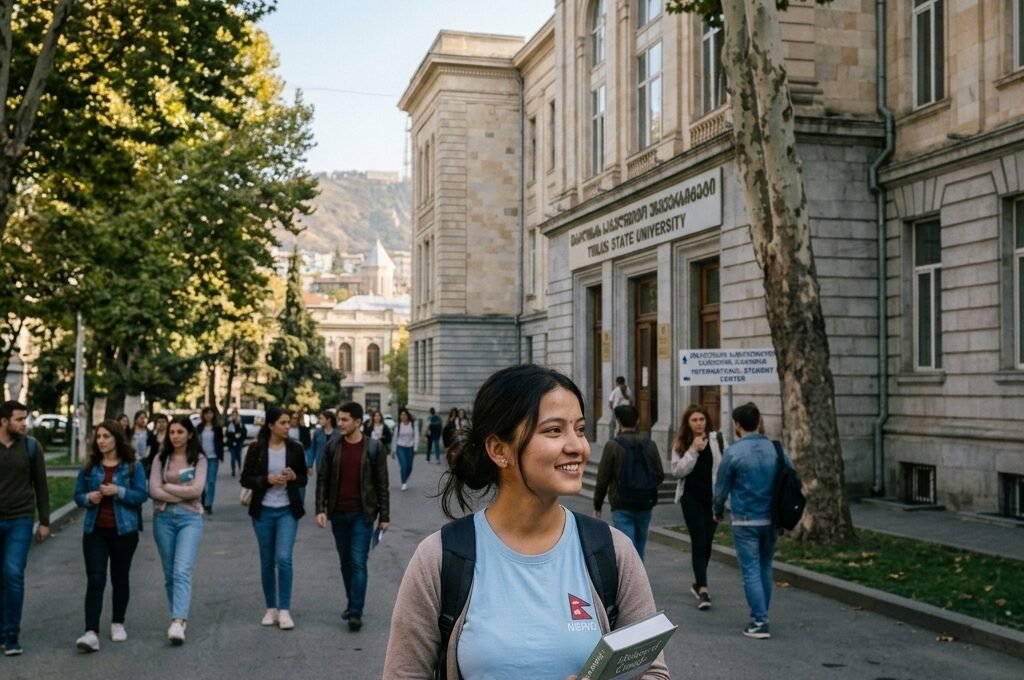
Starting March 1, 2026, Georgia has introduced a mandatory “right to work” authorization policy that directly affects international students. This policy requires all students, including those on study visas, to obtain formal work authorization before engaging in any kind of employment. Previously, many students worked part-time under loosely enforced systems or informal arrangements, but that flexibility is now gone. The new rule aims to bring more structure, compliance, and transparency to student employment. For Nepali students, who often rely on part-time jobs to support their living expenses, this change is especially important. Understanding the policy early can help avoid legal trouble and financial disruption. This article breaks down what the policy means and how Nepali students can adapt. It also highlights practical challenges students may face during the transition period. Being informed early can make a significant difference in how smoothly students adjust to the new system.
What “Right to Work” Authorization Actually Means
The “right to work” authorization is an official approval issued by Georgian authorities that confirms a student is legally allowed to work. It is no longer enough to simply hold a valid student visa; students must now apply separately for work permission. This authorization typically involves submitting documents like proof of enrollment, residency status, and possibly a job offer. Without this approval, any employment is considered illegal under the new law. Employers are also required to verify this authorization before hiring, which means fewer chances of informal or under-the-table jobs. For Nepali students, this adds an extra administrative step but also provides legal protection once approved. In simple terms, no authorization means no job—regardless of your visa status. This also creates a clearer boundary between legal and illegal employment practices. Over time, this clarity may help reduce confusion among both students and employers.
Why Georgia Introduced This Policy
The Georgian government introduced this policy to regulate its growing international student population and labor market. Over the past few years, there has been a surge in students from countries like Nepal, India, and Bangladesh. Many of these students worked in informal sectors, which created issues like tax evasion and labor exploitation. By enforcing a structured authorization system, the government aims to protect both workers and employers. It also ensures that local job markets are not unfairly impacted by unregulated foreign labor. Additionally, the policy aligns Georgia with broader European labor standards. For Nepali students, this means a more formal system but also potentially safer and more transparent working conditions. The government also aims to improve its international reputation as a study destination. This move signals a shift toward stricter but more organized immigration and labor policies.
Immediate Impact on Nepali Students
The immediate effect of this policy is that many Nepali students currently working without formal authorization may have to stop working temporarily. This can create financial stress, especially for those who depend on part-time income for rent and daily expenses. Students will need to quickly apply for authorization to continue working legally. Some may face delays due to processing times, which can further complicate their situation. Additionally, employers may hesitate to hire students until they have proper documentation. This could reduce job availability in the short term. However, once the system stabilizes, opportunities may become more structured and reliable. Students may also need to rely on savings or support from family during this adjustment period. Emotional stress and uncertainty may increase as students navigate these sudden changes.
Application Process and Requirements
To obtain the right to work authorization, students must go through a formal application process set by Georgian immigration or labor authorities. This typically includes submitting a valid passport, student visa, university enrollment letter, and proof of residence. In some cases, a job offer or employer sponsorship may also be required. The process may involve fees and waiting periods, so early application is highly recommended. Nepali students should coordinate with their universities, as many institutions offer guidance or support services for this process. Keeping documents organized and updated will make the application smoother. Missing paperwork or errors can lead to rejection or delays. It is also important to regularly check official government updates for any changes in requirements. Being proactive can significantly reduce the chances of facing unexpected issues.
Changes in Job Opportunities and Work Hours
With the new policy in place, job opportunities may shift from informal sectors to more regulated environments. Students might see fewer cash-based jobs in restaurants or small businesses that previously hired without strict checks. Instead, larger companies or registered employers may dominate student hiring. Work hour restrictions may also become more strictly enforced, depending on visa conditions. For Nepali students, this means adapting to a more professional and documented work environment. While this may reduce flexibility, it can also improve job security and payment reliability. Over time, this could lead to better working conditions overall. Students may also gain access to more formal contracts and employee rights. This shift could help build more credible work experience for future careers.
Risks of Non-Compliance
Working without proper authorization under the new policy carries serious risks. Students caught violating the rule may face fines, visa cancellation, or even deportation. This can also impact future visa applications for countries like the US, UK, or Canada. Employers hiring unauthorized workers may also face penalties, making them less willing to take risks. For Nepali students, who often invest significant money to study abroad, these consequences can be devastating. It is not worth risking long-term opportunities for short-term income. Staying compliant with the law is now more critical than ever. Even a single violation could have lasting consequences on immigration records. Strict enforcement means students must be extra cautious about where and how they work.
Practical Tips for Nepali Students
Nepali students should take proactive steps to adapt to this new policy. First, apply for work authorization as early as possible, even before actively job hunting. Second, rely on official university resources or student support groups for guidance. Third, avoid informal job offers that promise quick cash without documentation. Networking with other Nepali students who have successfully obtained authorization can also be helpful. Additionally, consider budgeting more carefully during the transition period when income may be unstable. Planning ahead can reduce stress and prevent legal issues. Joining local Nepali communities can provide emotional and practical support. Staying informed through verified sources will help students make better decisions.
Long-Term Outlook and Opportunities
While the policy may seem restrictive at first, it could bring long-term benefits for international students in Georgia. A regulated system can lead to fair wages, better working conditions, and legal protection. It may also improve Georgia’s reputation as a study destination, attracting more serious students and employers. For Nepali students, this creates an opportunity to build a more stable and professional work experience abroad. Over time, having legal work authorization can strengthen resumes and future career prospects. Adapting early to these changes will give students a significant advantage. In the long run, this policy could transform student work culture in a positive way. Students who follow the system may find better career pathways after graduation. This change, although challenging now, may open doors to more secure opportunities in the future.
