
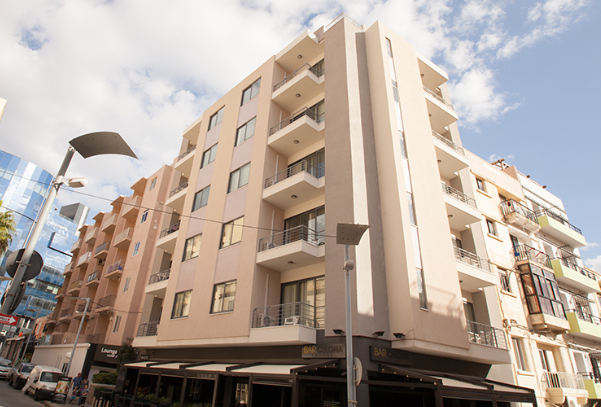
Malta, a beautiful Mediterranean island nation, has emerged as a popular study destination for international students. Its English-speaking universities, rich history, sunny climate, and friendly local population make it ideal for higher education.
Whether you’re planning to study at the University of Malta, MCAST, or private institutions, finding suitable accommodation is a critical step. Your choice of housing will affect your daily convenience, budget, social life, and academic experience.
This guide provides a comprehensive overview of student accommodation in Malta, covering on-campus housing, off-campus apartments, homestays, costs, safety, and cultural tips.
1. On-Campus Housing in Malta
On-campus options in Malta are limited compared to larger countries, but some universities provide student residences or affiliated housing.
Benefits
Proximity & Convenience:
Living on or near campus allows easy access to lectures, libraries, and campus facilities.
Social Interaction:
Dormitories are a great place to meet fellow international students.
Inclusive Costs:
Some dorms include utilities, internet, and communal facilities.
Estimated Monthly Costs
Examples: University of Malta Residences, Student Village in Msida, Student accommodations near Valletta.
| Type | Average Rent (€) | Equivalent (USD) |
| Shared room | 250–450 € | $270–$490 |
| Single studio | 400–700 € | $440–$760 |
Considerations
- Limited availability — early applications are recommended.
- Shared facilities may reduce privacy.
2. Off-Campus Housing in Malta
Off-campus apartments are popular for international students due to flexibility and a broader range of options.
Popular Areas
- Sliema & St. Julian’s: Vibrant nightlife, cafes, and shopping.
- Msida & Gżira: Close to University of Malta, quieter residential neighborhoods.
- Mosta & Birkirkara: Affordable options slightly further from campus.
Benefits
- Independence and privacy.
- Freedom to cook and manage daily routines.
- Options for sharing apartments to reduce costs.
Estimated Monthly Costs
Tip: Websites like HousingAnywhere, Uniplaces, or Facebook groups are popular for finding verified student rentals.
| Area | Shared Apartment | Single Studio |
| Sliema / St. Julian’s | 300–500 € | 500–700 € |
| Msida / Gżira | 250–400 € | 400–600 € |
| Mosta / Birkirkara | 200–350 € | 350–500 € |
Get In Touch
Need Any Consultations Contact With Us
Aenean ut turpis blandit eros convallis congue sit amet a libero3. Homestays
Homestays are less common but offer a cultural and supportive experience for students who are new to Malta.
Benefits
- Immerse yourself in Maltese culture and traditions.
- Meals may be included.
- Local guidance and support from host families.
Estimated Costs
350–600 € per month, depending on location and amenities.
Considerations
- Less independence compared to apartments.
- Rules and schedules may vary per host family.
4. Cost Comparison Overview
| Accommodation | Average Monthly Cost | Pros | Cons |
| On-Campus | Euro 250–700 | Secure, social | Limited options, shared facilities |
| Off-Campus | Euro 200–700 | Flexible, private | Bills not included, distance from campus |
| Homestay | Euro 350–600 | Meals included, cultural | Less privacy, rules |
5. Safety Tips for Students in Malta
Malta is generally very safe for students, but these tips help ensure a smooth stay:
- Choose well-lit areas and safe neighborhoods.
- Avoid isolated streets at night.
- Always have your student ID and emergency contacts.
- Familiarize yourself with local traffic rules — Malta drives on the left.
- Use licensed taxis or apps like Bolt for safe transport.
6. Cultural & Social Adaptation
Malta has a unique blend of Mediterranean and British culture.
- Learn basic Maltese greetings and customs — locals appreciate effort.
- Sundays are quieter; many shops close, so plan errands accordingly.
- Join student clubs and university societies to meet people.
- Participate in local festivals like Malta International Arts Festival or village festas.
7. How to Find Accommodation in Malta
- University Housing Office: Check availability for on-campus options.
- Websites: HousingAnywhere, Uniplaces, Maltapark, Facebook student groups.
- Rental Agencies: Local agencies often manage student apartments.
- Virtual Tours: Essential if you’re arranging accommodation from abroad.
8. Frequently Asked Questions (FAQs)
Q1: Is on-campus housing guaranteed for international students in Malta?
No. Spaces are limited. Apply as early as possible.
Q2: Which area is cheapest for students?
Mosta, Birkirkara, and Gżira generally offer affordable rents.
Q3: Can I share an apartment with friends?
Yes, it’s common. Check rental contracts and university recommendations.
Q4: Are homestays safe?
Yes, but choose verified programs and reputable hosts.
Q5: Are bills included in off-campus rent?
Usually not — students pay electricity, water, internet, and sometimes TV licenses separately.
Conclusion
Malta offers a safe, welcoming, and enriching environment for international students.
- On-campus housing is convenient and social, ideal for first-year students.
- Off-campus apartments provide independence and flexibility.
- Homestays allow cultural immersion and support for newcomers.
By planning early, budgeting carefully, and choosing verified housing, students can enjoy a smooth, comfortable, and enriching study experience in Malta.
