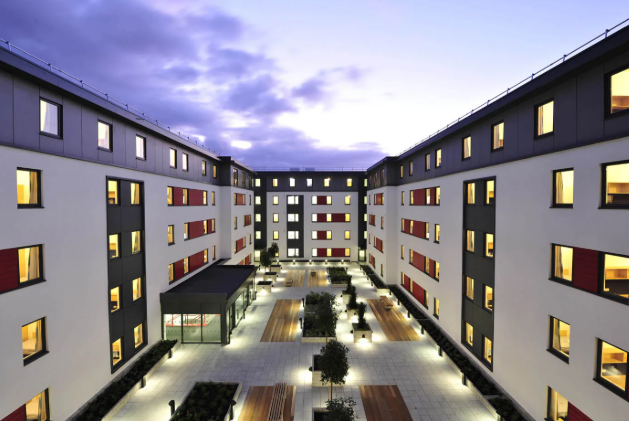
Georgia has become one of the fastest-growing study destinations for international students — especially those from Asia, Africa, and Europe. Affordable tuition fees, low living costs, friendly locals, and an easy visa process make Georgia a popular choice for students studying medicine, business, engineering, and IT.Before moving, one of the biggest decisions you’ll make is choosing the right accommodation. Your housing affects your comfort, safety, budget, and overall study experience. This guide covers all housing options in Tbilisi, Batumi, and Kutaisi — the three main student cities in Georgia.
1. On-Campus Housing in Georgia
Many universities in Georgia offer dormitories, especially in Tbilisi. These accommodations are simple but affordable, safe, and convenient for first-year students.
Popular Universities Offering Dorms
- International Black Sea University (IBSU) – Tbilisi
- Caucasus International University (CIU) – Tbilisi
- Tbilisi State Medical University – Tbilisi
- Batumi Shota Rustaveli State University – Batumi
- Kutaisi International University (KIU) – Kutaisi
Benefits
Located close to campus
Affordable monthly rent
Includes basic utilities
Easy to socialize with international students
Higher safety and supervision
Average Monthly Cost (Dorms)
| City | Monthly Rent | Notes |
| Tbilisi | 250–400 GEL | Shared rooms are common |
| Batumi | 200–350 GEL | Limited seats, book early |
| Kutaisi | 200–300 GEL | KIU has modern dorms |
Considerations
- Shared rooms and bathrooms
- Limited privacy
- Basic furniture
- First-come, first-served basis
- Some dorms restrict cooking
Best for:
First-year students, budget-conscious students, and those wanting a simple, safe start in Georgia.
2. Off-Campus Housing in Georgia
Off-campus housing is extremely popular among international students, especially medical students. You can rent full apartments, shared flats, or single rooms depending on your budget.
Why Students Prefer Off-Campus Housing
More privacy
Freedom to cook
Choice of location
Can live with friends
Fully furnished options available
Near metro or bus routes
Popular Student Areas (by City)
Tbilisi
- Saburtalo – Near IBSU, CIU, Caucasus University
- Vake – Safe and premium area
- Delisi / Nutsubidze – Affordable, near metro
- Gldani – Budget-friendly
- Marjanishvili – Multicultural area
Batumi
- Rustaveli
- Airport District
- Angisa
- Old Town
Kutaisi
- Popular for KIU & medical college students
- Very budget-friendly city
Off-Campus Monthly Rent
| Monthly Cost (GEL) | ||||
| City | Shared Room | Studio Apartment | 1-BHK Apartment | 2-BHK Apartment |
| Tbilisi | 400–600 GEL | 800–1,200 GEL | 1,000–1,500 GEL | 1,500–2,200 GEL |
| Batumi | 300–500 GEL | 600–900 GEL | 800–1,200 GEL | - |
| Kutaisi | 250–400 GEL | 500–700 GEL | 700–900 GEL | - |
Get In Touch
Need Any Consultations Contact With Us
Aenean ut turpis blandit eros convallis congue sit amet a libero3. Homestays in Georgia
Homestays are available for students who want a cultural experience and a family-like environment.
Benefits
Cultural immersion
Home-cooked meals
Language learning
Safe and supportive
Average Cost
500–900 GEL per month (depending on meals included)
Best for:
First-time international travelers, young students, and those who prefer a family setting
4. Cost Comparison (2025)
Tip: Off-campus rentals require 1–2 month deposit.
| Accommodation Type | Tbilisi | Batumi | Kutaisi |
| On-campus Dorm | 250–400 GEL | 200–350 GEL | 200–300 GEL |
| Shared Room | 400-600 GEL | 300–500 GEL | 250–400 GEL |
| 1-BHK Apartment | 1,000-1,500 GEL | 800–1,200 GEL | 700–900 GEL |
| Homestay | 500-900 GEL | 400–800 GEL | 350–700 GEL |
5. Safety Tips for International Students in Georgia
Georgia is generally safe, but keep these points in mind:
- Choose well-lit and populated neighborhoods
- Avoid walking alone late at night in unknown areas
- Always lock your apartment
- Use authorized taxis like Bolt / Yandex
- Register your address with your university
- Keep emergency contacts saved
- Do not carry too much cash
6. Cultural Adaptation Tips
Georgia is friendly, but cultural differences exist:
- Georgians appreciate politeness and basic Georgian phrases
- Toasting (tamade) is a big tradition — students are not required to drink alcohol
- Shoes are often removed before entering homes
- Personal space is valued
- Public transport etiquette is important
7. How to Find Accommodation in Georgia
Reliable Websites
- MyHome.ge
- SS.ge
- Place.ge
- Airbnb (short-term)
- Facebook Groups:
- “Tbilisi Flats for Rent”
- “Georgia for International Students”
- “IBSU Students Housing”
Tips for Renting
- Avoid paying advance without agreement
- Always check the apartment in person
- Confirm heating system (important in winter)
- Ask if furniture & WiFi is included
- Read contract terms carefully
8. Frequently Asked Questions (FAQs)
Q1: Is Tbilisi expensive for international students?
It depends — Tbilisi costs more than Batumi and Kutaisi but still cheaper than Europe.
Q2: Do apartments come furnished?
Yes, 90% of rentals in Georgia are fully furnished.
Q3: Can I cook in my rented apartment?
Absolutely — cooking is one of the biggest advantages of off-campus living.
Q4: Are utilities expensive?
Expect around 100–200 GEL/month depending on the season.
Q5: Which area is best for students in Tbilisi?
Saburtalo and Delisi are the most student-friendly.
Conclusion
Georgia is one of the best study destinations for international students in 2025. Whether you choose dorms in Tbilisi, a budget apartment in Kutaisi, or a quieter lifestyle in Batumi, the country offers plenty of affordable and safe accommodation options.
By understanding average rent prices, choosing the right location, and using trusted platforms, students can enjoy a comfortable and secure stay while focusing on their education.