
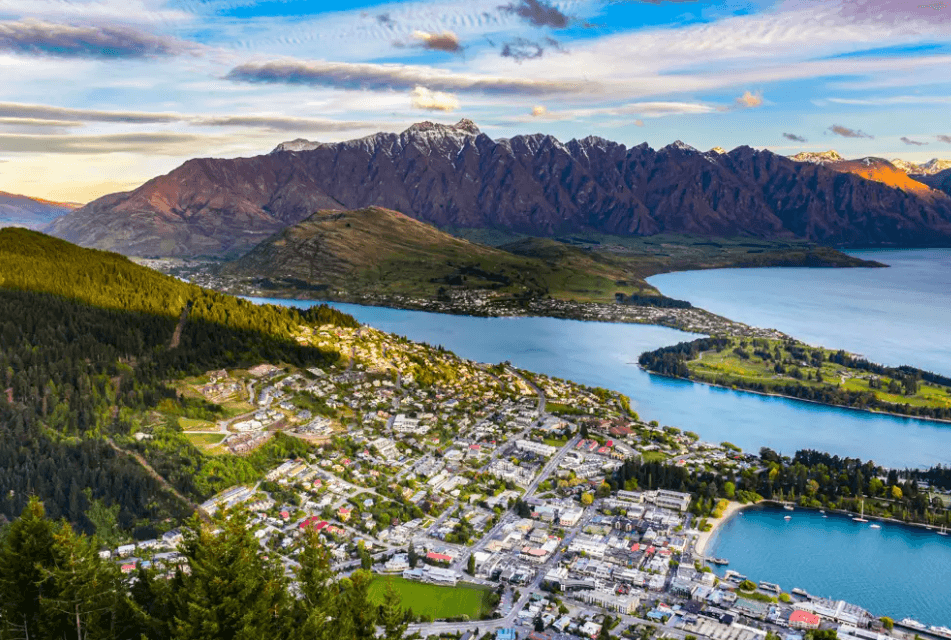
New Zealand has firmly established itself as a top-tier destination for Nepali students. Whether you are drawn to the breathtaking landscapes, the globally ranked education system, or the safe and welcoming student cities like Auckland, Wellington, and Christchurch, studying in New Zealand offers a world-class international experience. However, beneath the excitement of acceptance letters and visa approvals lies the most critical question every student and parent asks: “How much is this actually going to cost?”
Studying abroad is a massive financial commitment that requires careful planning. Between paying for documentation in Kathmandu, demonstrating sufficient bank balances to Immigration New Zealand (INZ), and managing weekly grocery runs in Auckland, budgeting is essential.
To help you plan your academic journey, this comprehensive guide breaks down every single expense you will encounter. We have completely updated these figures to provide you with the most realistic, up-to-date look at pre-departure costs from Nepal and the monthly living expenses once you arrive in New Zealand.
1. Understanding Your Study Pathway: ITPs/PTEs vs. Universities
Before calculating your specific tuition, it is vital to understand how you will enter the New Zealand education system, as your costs vary heavily based on your institution type:
- Institutes of Technology and Polytechnics (ITPs) & Private Training Establishments (PTEs): Many Nepali students choose this route for highly practical, industry-focused diplomas, bachelor’s, and even master’s degrees. These institutions (like Toi Ohomai) generally offer slightly more affordable tuition fees while maintaining excellent education standards.
- Universities: If you are pursuing highly research-driven degrees or aiming for global academic prestige, New Zealand’s eight universities are all ranked in the top 3% globally. Institutions like Massey University or the University of Auckland come with higher tuition fees but offer unparalleled academic recognition.
2. Estimated Cost Before Reaching New Zealand (Pre-Departure)
Your spending starts long before you board a flight at Tribhuvan International Airport. New Zealand universities and immigration authorities require strict documentation and upfront fee payments. Below is the detailed breakdown of the exact estimated costs you will incur in Nepal before flying to New Zealand. (Note: 1 NZD is calculated at approximately NPR 88).
| Expense Headings | ITPs / PTEs Pathway | University Pathway | NPR (Reference Range) |
| Documents for Verification | Academic transcript verification & notary | Academic transcript verification & notary | 5,000 – 15,000 |
| English Language Test | IELTS / PTE classes & exam fee | IELTS / PTE classes & exam fee | 45,000 – 50,000 |
| Tuition Fees (1 Year Upfront) | 1 Year Upfront (Before scholarship) | 1 Year Upfront (Before scholarship) | 18,00,000 – 35,00,000 |
| Health & Travel Insurance | 1 Year mandatory OSHC (e.g., StudentSafe) | 1 Year mandatory OSHC (e.g., StudentSafe) | 55,000 – 85,000 |
| NOC (No Objection Certificate) | Ministry of Education approval | Ministry of Education approval | 2,000 |
| Visa & Biometric Fee | INZ Online Fee (NZD 850) + VFS charges | INZ Online Fee (NZD 850) + VFS charges | 79,000 – 81,000 |
| Medical & Police Check | Panel physician test & Police Report | Panel physician test & Police Report | 15,000 – 20,000 |
| Pocket Money (Initial Settlement) | Emergency fund upon arrival | Emergency fund upon arrival | 1,00,000 – 1,50,000 |
| Air Ticket | One-way flight to New Zealand | One-way flight to New Zealand | 90,000 – 1,50,000 |
| Other Expenses | Miscellaneous preparation | Miscellaneous preparation | 50,000 |
| Total Estimated Expenses | NPR 22,41,000 – 27,00,000 | NPR 27,00,000 – 41,08,000 | NPR 22,41,000 – 41,08,000 |
A Closer Look at Pre-Departure Expenses
A. Tuition Fees: How Much is Actual Education? New Zealand requires international students to pay their first year of tuition upfront before the visa is fully granted (under the Fee Protection Scheme). Your largest expense depends entirely on your course and institution. Based on the internal data from the “Courses of New Zealand Institutes.xlsx” file, here is what you can expect:
- Diplomas & Certificates (ITPs/PTEs): NZD 15,000 to NZD 25,000 per year (approx. NPR 13.2 Lakh to NPR 22 Lakh).
- Bachelor’s Degree (Undergraduate): NZD 22,000 to NZD 35,000 per year (approx. NPR 19.3 Lakh to NPR 30.8 Lakh).
- Master’s Degree (Graduate):
- ITPs (e.g., Toi Ohomai Institute of Technology): Master’s programs like Applied Professional Studies or Management range from NZD 36,270 to NZD 50,160.
- Universities (e.g., Massey University): Premium programs like the Master of Analytics or Master of Agribusiness range from NZD 38,840 to NZD 59,760.
B. Mandatory Health Insurance Unlike some countries where you buy insurance monthly, New Zealand requires you to purchase comprehensive medical and travel insurance (like the StudentSafe policy) for the duration of your study upfront. This costs around NZD 600 to NZD 1,000 annually (approx. NPR 53,000 to NPR 88,000).
C. Language Preparation & Documents You will need a strong IELTS (usually 6.0 to 6.5) or PTE score. Taking preparation classes and booking the exam in Nepal costs around NPR 45,000 to NPR 50,000 in total. Translating, notarizing, and verifying your academic documents will cost an additional NPR 10,000 to NPR 15,000.
D. Medical Checkup & Police Clearance Immigration New Zealand strictly assesses health and character. A mandatory full medical examination and chest X-ray at an INZ-approved panel physician in Nepal costs roughly NPR 10,000 to NPR 15,000. You must also provide a Police Clearance Certificate from the Nepal Police.
E. Visa Application Fee The standard student visa fee applied online through INZ is currently NZD 850 (approx. NPR 75,000). You will also pay a small biometric fee (around NPR 4,000) when visiting VFS Global in Kathmandu.
F. One-Way Flight Ticket Flying to New Zealand is a long-haul journey. Depending on your airline and how early you book, a one-way ticket costs between NPR 90,000 and NPR 1,50,000.
3. The “Proof of Funds” (Bank Balance Requirement)
One of the biggest hurdles for Nepali students is the financial demonstration required for the visa. INZ needs to know you have enough money to survive so you do not resort to illegal work or overstay.
- The Minimum Living Cost Rule: For tertiary studies lasting one year or longer, you must demonstrate a minimum of NZD 20,000 per year (approximately NPR 17.6 Lakh) strictly for living expenses. If your course is shorter than a year, you must show NZD 1,667 per month.
- Return Flight Coverage: You must also show financial evidence that you can afford a return airfare ticket back to Nepal at the end of your studies (usually an additional NZD 2,000).
- Bank Statements & Loans: These funds must be verified through liquid bank statements spanning 3 to 6 months, or provided via an approved educational loan from a recognized Nepali bank. Sponsor income documents (salary slips, business audits) are also thoroughly checked to prove your family’s financial stability.
Note: This NZD 20,000 is not money you immediately “spend,” but money you must “show” to get the visa.
4. Monthly Living Expenses in New Zealand
Once you arrive in New Zealand, living costs will heavily depend on your lifestyle, your ability to budget, and whether you live in a bustling metropolis like Auckland or Wellington, or a more affordable regional hub like Christchurch or Dunedin. By practicing smart spending habits, Nepali students can manage their daily lives on a highly efficient budget.
A. Accommodation: NPR 40,000 to NPR 70,000 (NZD 450 – 800) Housing will be your most significant monthly expense. New Zealand offers several housing styles:
- Shared Flats (“Flatting”): Renting a room in a shared private house with friends is the most popular choice for Nepalis. This generally costs between NZD 120 to NZD 295 per week depending on the city.
- University Halls of Residence: Staying on campus is highly convenient. It costs roughly NZD 200 to NZD 484 per week, but often includes electricity and unlimited Wi-Fi.
- Homestays: Living with a local Kiwi family costs around NZD 285 to NZD 340 per week, which typically covers meals and basic utilities.
B. Food and Groceries: NPR 26,000 to NPR 44,000 (NZD 300 – 500) Eating out every day will quickly drain your budget. To keep food costs down:
- Cook at Home: Bulk-buying staples like rice and lentils at budget-focused supermarkets like Pak’nSave or visiting weekend farmers’ markets is the secret to survival.
- Your monthly grocery bill blueprint should comfortably sit between NZD 320 to NZD 500.
C. Transportation, Internet, and Utilities: NPR 13,000 to NPR 22,000 (NZD 150 – 250)
- Transportation: Public transport networks are excellent. Collect your institutional student ID card immediately to secure student concessions, reducing bus and train fares by up to 50%.
- Utilities & Mobile: If you are flatting, expect to split power and internet bills. Budget roughly NZD 50 to NZD 100 per person for electricity (higher in winter) and around NZD 20 to NZD 35 for a prepaid student mobile plan.
| Expense Item | Estimated Monthly (NZD) | Equivalent Monthly (NPR) |
| Accommodation | NZD 480 – NZD 1,180 | NPR 42,000 – NPR 1,03,000 |
| Food & Groceries | NZD 300 – NZD 500 | NPR 26,000 – NPR 44,000 |
| Public Transportation | NZD 60 – NZD 120 | NPR 5,000 – NPR 10,000 |
| Utilities & Mobile/Internet | NZD 100 – NZD 150 | NPR 8,800 – NPR 13,200 |
| Miscellaneous / Personal | NZD 100 – NZD 200 | NPR 8,800 – NPR 17,600 |
| TOTAL ESTIMATED MONTHLY | NZD 1,040 – NZD 2,150 | NPR 90,600 – NPR 1,87,800 |
(Note: While INZ requires you to show NZD 1,667 per month, most frugal Nepali students manage comfortably between NZD 1,200 and NZD 1,600).
5. Managing Your Finances: Scholarships and Part-Time Work
The estimated total initial investment might seem intimidating, but New Zealand is supportive of international students seeking to offset these costs.
Securing Scholarships
- University International Scholarships: All eight universities offer merit-based partial tuition awards for strong international applicants.
- Doctoral (PhD) Advantage: New Zealand is incredibly attractive for PhD candidates because international doctoral students are charged the exact same heavily subsidized tuition rates as domestic Kiwi students!
Part-Time Work (Casual Jobs) Working part-time is how the vast majority of Nepali students manage their ongoing accommodation and food costs in New Zealand.
- Legal Work Hours: International students can generally work up to 20–25 hours per week during the academic semester. During official scheduled university holidays and the summer break, students can work full-time.
- Earning Potential: As of 2026, New Zealand’s adult minimum wage is a robust NZD 23.95 per hour. Working part-time in retail, hospitality, or campus libraries allows students to comfortably cover their monthly living expenses without constantly relying on money sent from Nepal.
| Visa Condition | Eligibility Requirement | Allowed Hours |
| Tertiary Student (Term Time) | Enrolled in a full-time degree/diploma | Up to 20–25 hours/week |
| Tertiary Student (Holidays) | During scheduled institution breaks | Full-time (Unlimited) |
| Masters by Research / PhD | Enrolled in a research degree | Full-time (Unlimited) |
Practical Money-Saving Tips for Nepali Students
- Shop at Pak’nSave: It is famously New Zealand’s cheapest supermarket. Avoid buying daily groceries from smaller convenience stores like superettes or dairies.
- Choose Regional Cities: Consider universities in Dunedin, Hamilton, or Christchurch. Lower regional accommodation thresholds mean students live much more comfortably and cheaply than in central Auckland.
- Buy Second-Hand: Use platforms like Trade Me (New Zealand’s biggest online marketplace) or local Facebook groups to buy affordable winter clothing, textbooks, and furniture for your flat.
- Use Student Discounts: Never be shy about flashing your Student ID. From public transport to movie tickets and software subscriptions, student discounts are everywhere.
Final Thoughts for Nepali Students
Studying in New Zealand is a highly rewarding endeavor that offers an exceptional return on investment through world-class education and globally recognized degrees. By carefully preparing for the pre-departure costs and adopting smart budgeting strategies to keep your monthly living costs well managed, you can thrive academically and personally.
| Category | Total Cost Range (NPR) |
| Pre-Departure, 1st Year Tuition & Travel | NPR 22,00,000 – NPR 41,00,000 |
| 1-Year Living Expenses (Rent, Food, Transport) | NPR 11,00,000 – NPR 18,00,000 |
| ESTIMATED TOTAL FIRST-YEAR BUDGET | NPR 33,00,000 – NPR 59,00,000 |
Focus heavily on securing a strong English proficiency score and researching the right institution before you leave Nepal—it is the ultimate key to unlocking potential scholarships and a smoother cultural transition into Kiwi life.