
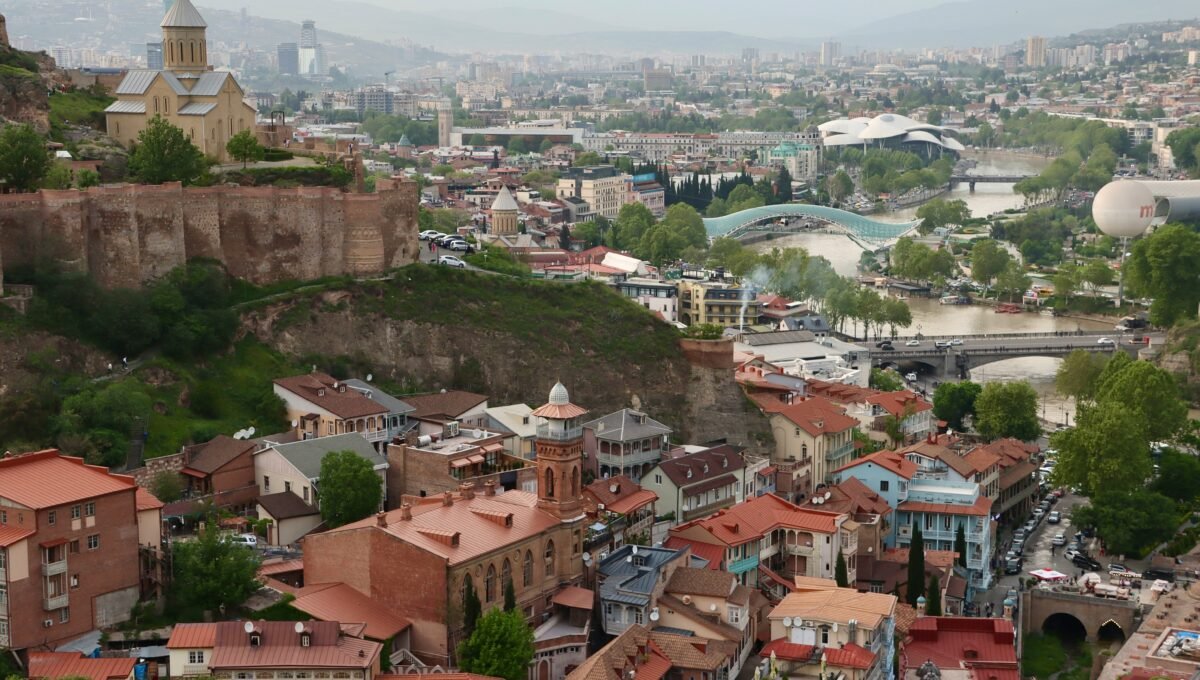
Campus life in Georgia can vary depending on your city. It’s important to live in a city that is the most suitable for you. The most popular cities for students in Georgia are Tbilisi and Batumi. Tbilisi, the capital city, offers world‑class universities and high‑quality education. The city is welcoming, safe, and boasts a lively cafe culture that many students fall in love with. Batumi, on the other hand, is a coastal city along the Black Sea and is known for its beaches, modern buildings, and relaxed atmosphere. Other cities like Kutaisi and Akhaltsikhe also host universities and attract students who want a quieter, more affordable lifestyle.
Campus and City Vibe
Each Georgian city gives its own flavor to student life. Tbilisi feels like a mix of old Europe and modern city life, with winding streets, historic churches, and new cafes. Many universities are located in or near the city center, so students can easily walk to class, supermarkets, and cafes. The campuses themselves are usually small to medium in size, with a mix of international students and local Georgian students.
Batumi has a more relaxed, vacation‑like feel. The ocean and promenade are just a short walk from many student areas, so it’s common to see students hanging out by the sea, cycling, or grabbing coffee near the water. The city also has a growing number of international students, especially in medical and business programs.
In general, Georgian cities are calm compared to big capitals like London or New York. Class buildings are usually close together, and you don’t need to travel long distances to reach your lectures. This makes it easier to attend classes, meet friends, and explore the city between lectures.
Daily Routine and Schedule
Most universities in Georgia follow a structured weekly schedule. Students usually have lectures in the morning or early afternoon, with some gaps in between. Classes can be either on weekdays only or spread across the week, depending on the program. Many students find the pace of study to be moderate compared to their home country, especially in private universities that focus on English‑taught programs.
Between classes, students often spend time in libraries, cafes near campus, or shared study spaces. Some students prefer to study alone, while others form small groups to revise notes or prepare for exams. Lab sessions, practicals, and project work are common in medicine, engineering, and IT programs, so those students usually spend more hours on campus.
Outside of academics, many students try to balance their time between studying, social life, and part‑time work. Some students choose to relax in the evenings, while others attend events, join clubs, or explore the city. Overall, the daily routine tends to feel organized but not overly stressful if students manage their time well.
Cost of Living and Budgeting
One of the reasons students choose Georgia is that the cost of living is relatively low. Rent depends on the city and location. In Tbilisi, living in the city center or near the university is more expensive, while suburbs or quieter neighborhoods is cheaper. Students often share apartments or rooms to reduce costs. In Batumi, summer prices can rise a bit because of tourism, but many students still find affordable options if they search carefully.
Food is another area where students can save money. Eating at local cafes, bakeries, and markets is usually cheaper than at international restaurants. Many students cook at home or buy groceries from local shops instead of importing everything. Public transport is also affordable, and walking is common in city centers.
To stretch their budget, students often use student discounts, buy second‑hand furniture, cook in groups, and avoid expensive nightlife if they are on a tight budget. By planning and choosing a cheaper neighborhood, most international students can live comfortably without spending too much.
Social life and Friendships
Student life in Georgia is not just about studying; it’s also about meeting people and creating memories. International students often find it easy to make friends because many universities organize orientation events, welcome parties, and group activities. There are also student clubs, language exchange meetups, and sports activities that help people connect.
In Tbilisi, students often hang out in cafes, bars, or parks near the university. There are always events, small concerts, or movie nights that students can join. In Batumi, many students enjoy hanging out by the sea, going to beach cafes, or joining weekend trips to nearby towns. Friendships can form both with local Georgian students and with other international students. Some students prefer to stay in cross‑cultural groups, while others feel more comfortable in groups from their own country. The important thing is to keep an open mind and try to interact with different people, as this makes the experience much richer.
Safety, Comfort, and Culture Shock
Georgia is generally considered a safe country for students. Most students feel comfortable walking around in the daytime and even in the evenings, especially in busy areas. Public transport is reliable, and people are usually friendly and helpful. However, like any city, students still need to follow basic safety rules, such as keeping an eye on their belongings and avoiding isolated areas late at night.
Culture shock can happen, especially for students coming from very different countries. Food, language, and social habits are different. Georgian food is rich in cheese, bread, and grilled meat, and many students enjoy it, but some may miss home‑style meals. The pace of life can feel slower, and bureaucracy can sometimes be confusing, but many students eventually get used to it.
Homesickness is common, especially in the first few months. Students often cope by staying in touch with family through video calls, joining student groups, or finding small Nepali, Indian, or South Asian communities. Many universities also have support services or student leaders who help new arrivals adjust.
Part‑time Jobs and Side Income
Many international students in Georgia look for part‑time work to support their living costs. Some students find on‑campus jobs, such as working in libraries, administrative offices, or language centers. Others search for external jobs, including tutoring, online teaching, or freelance work, if they have skills in IT, design, or content creation. In Tbilisi, there are opportunities in cafes, restaurants, and small businesses that hire students for weekend shifts. Pay is usually moderate but enough to cover some extra expenses. According to Georgia’s new migration(from March 2026) law, all foreign nationals, including students, must obtain a separate “special labour/work activity permit” to work legally, even while on a student‑status residence permit. Regarding work hours, there is no national legal cap unique to students. Still, universities and advisors strongly recommend not exceeding 20–25 hours per week during term time to avoid affecting your studies.
Travel and Weekend Experiences
One of the biggest advantages of studying in Georgia is easy access to beautiful places. The country is small, so you can often travel to mountains, lakes, or the sea within a few hours. Many students love taking weekend trips after exams or during holidays.
In Tbilisi, students often travel to Kazbegi, Mtskheta, or Gudauri for snow and mountain views. In Batumi, trips to nearby towns like Kobuleti, Ureki, or mountain villages are popular. There are also organized tours and shared vans that make it affordable for students to explore together.
Weekend trips help students relax, recharge, and experience Georgian culture beyond the city. Whether it’s hiking in the mountains, skiing in winter, or relaxing by the Black Sea in summer, these experiences become some of the most memorable parts of studying in Georgia.
